For decades, two of America's most infamous unsolved murders have cast long shadows over California. Now, a startling new investigation proposes a theory that would rewrite true crime history: that the Zodiac killer and the butcher of the Black Dahlia were the same man.
A Single Suspect Emerges from the Shadows
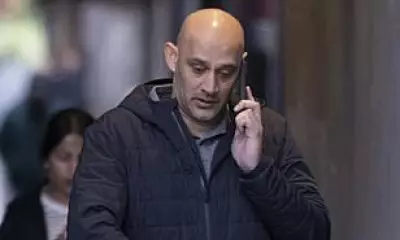
The bombshell claim comes from investigative consultant Alex Baber of Cold Case Consultants of America. His team asserts that one individual, Marvin Margolis, later known as Marvin Merrill, is the prime suspect at the heart of both mysteries. This theory is currently under review by multiple US law enforcement agencies, including the FBI and several California police departments.
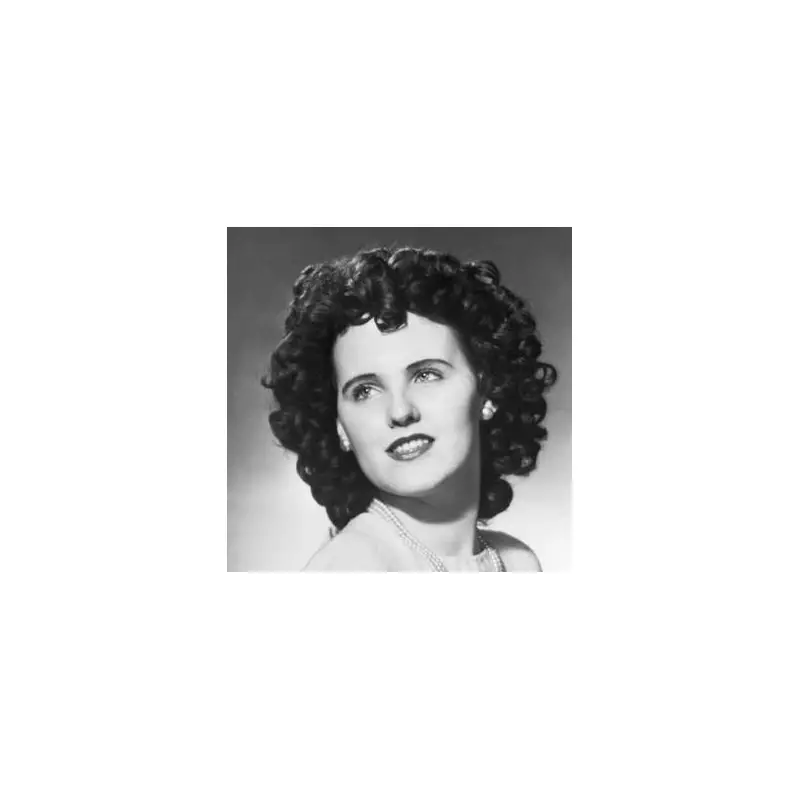
If proven, it would represent a monumental breakthrough, connecting two cases that have obsessed the public and baffled detectives for generations. The Zodiac killer terrorised Northern California between 1968 and 1969, murdering at least five people and taunting authorities with cryptic ciphers. Two decades earlier, in January 1947, the mutilated body of 22-year-old aspiring actress Elizabeth Short—the Black Dahlia—was discovered in Los Angeles, a crime of such brutality it became the stuff of nightmare.

Cracking the Code and Connecting the Crimes
The linchpin of Baber's investigation is the alleged cracking of the Zodiac's infamous Z13 cipher, sent in April 1970 with the tantalising message: "My name is -". Baber claims to have decrypted it using a combination of AI, traditional codebreaking techniques, and newly released Census data. The decrypted name, he says, points to Marvin Margolis.
Baber also claims to have solved the Zodiac's Z32 cipher, which he states produces a direct link back to the Black Dahlia murder. He argues that when these solutions are combined with years of document analysis and old law enforcement files, the circumstantial case becomes compelling.
According to the investigation, Margolis was born in Chicago in 1925. He served in the US Navy with the 1st Marine Division from 1943, gaining medical training and experience with trauma—skills some believe were evident in the surgical precision of the Dahlia killing. After the war, he was discharged on mental disability grounds, with Veterans Affairs records describing him as resentful and aggressive.
From Los Angeles to Lake Berryessa
Margolis moved to Los Angeles and enrolled at USC medical school in 1946. Baber's research indicates he was listed among 22 suspects in the grand jury investigation into Elizabeth Short's murder. Records suggest he had a volatile, short-lived relationship with Short in the months before her death, with her reportedly fleeing and confiding fears about a jealous ex-boyfriend.
One chilling detail forms a core part of Baber's theory: a motel in the area at the time called the Zodiac Motel. He proposes the killer later adopted this name, rather than taking it from a watch brand, meaning the Black Dahlia murder was not a standalone horror but the opening act of the Zodiac's reign.
The investigation claims Margolis, using the name Marvin Merrill, returned to California a few years before the Zodiac's first confirmed attack in late 1968. Baber points to the Lake Berryessa stabbing in 1969 as significant, noting that Margolis returned from WWII with a Japanese rifle and bayonet—a war trophy that could match the weapon used.
Perhaps the most disturbing claim is that late in life, facing terminal cancer, Merrill allegedly produced a sketch of a woman labelled "Elizabeth" with markings Baber says echo Short's injuries. Using enhancement software, investigators believe the word "ZoDiac" appears hidden within the drawing.
Law Enforcement Scrutiny and a Familial Connection
Baber insists this is not mere internet speculation. He states he has presented evidence to an interagency group including the San Francisco Police Department, the Napa and Solano County Sheriff's Offices, and the FBI. The LAPD's robbery-homicide division has also been directed to examine the Dahlia-related findings.

In a pivotal development, Merrill's youngest son has reportedly provided hundreds of personal items for forensic analysis, including the potential bayonet, while maintaining doubts about his father's guilt. The debate now may hinge on whether this physical evidence yields new clues.
For now, the claim remains a theory—but one that has reignited two of California's darkest legends. After more than half a century of dead ends, it poses a haunting question: were these two iconic mysteries never separate at all, but a single, prolonged trail of violence left by one man hiding in plain sight?