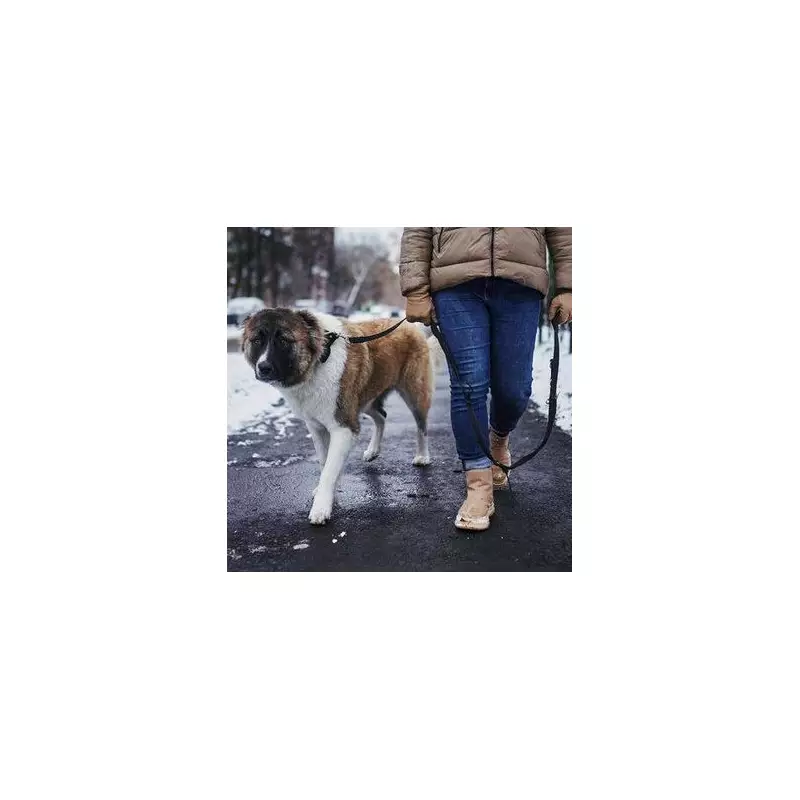
Pet owners across the United Kingdom are being urged to reconsider their daily routines as a severe cold snap grips the nation, bringing potentially dangerous conditions for canine companions. With temperatures plummeting below freezing, veterinary and animal welfare experts have issued clear guidance on when it becomes too risky to venture outside.
Critical Temperature Thresholds for Different Dogs
Not all dogs are equally equipped for winter weather, and their tolerance varies dramatically. Dogs with thin coats may begin to struggle in temperatures as mild as 5°C, often showing a preference for staying wrapped in blankets indoors. For more vulnerable groups—including small breeds, puppies, elderly dogs, and slender types—the risk escalates significantly once the mercury hits zero degrees Celsius. For these pets, skipping the walk is the safest option at this point.
The most critical warning, however, applies to all dogs regardless of breed or constitution. When temperatures plunge to -4°C or lower, experts strongly recommend forgoing walks entirely. Exposing dogs to such extreme cold poses severe and preventable health risks.

Recognising the Dangers and Symptoms of Distress
Prolonged exposure to freezing conditions can lead to serious medical emergencies for dogs. The primary threats include hypothermia, frostbite, and painful damage to their paws, pads, and noses. Owners must be vigilant for clear signs that their pet is in distress from the cold.
Key symptoms to watch for include:
- Persistent shivering or whining
- Reluctance to move or continue walking
- Lifting paws off the ground repeatedly
- Actively seeking sources of warmth
- Appearing confused or disoriented
If any of these signs are observed, it is crucial to get the dog indoors and warmed up immediately. Suspected hypothermia is a veterinary emergency, and professional help should be sought without delay.
Practical Steps for Safer Winter Walks
For days when it is chilly but still safe to go out, several measures can help protect your pet. Investing in a well-fitted dog coat is highly advised for slim or short-haired breeds. Planning walks during the warmest part of the day, typically between 11 am and 3 pm during the winter months, can make a significant difference.
Encouraging movement through play helps generate body heat, but if a dog is unaccustomed to the cold or visibly unhappy, walks should be kept short until they adjust. Ultimately, the experts' message is clear: during this severe cold spell, prioritising your dog's warmth and safety over routine is an essential act of responsible pet ownership.