A coronial inquest into one of Australia's worst aviation tragedies has heard shocking details about the pilot's state of mind and drug use in the lead-up to the fatal collision.
Pilot's Mental State and Cocaine Use Revealed
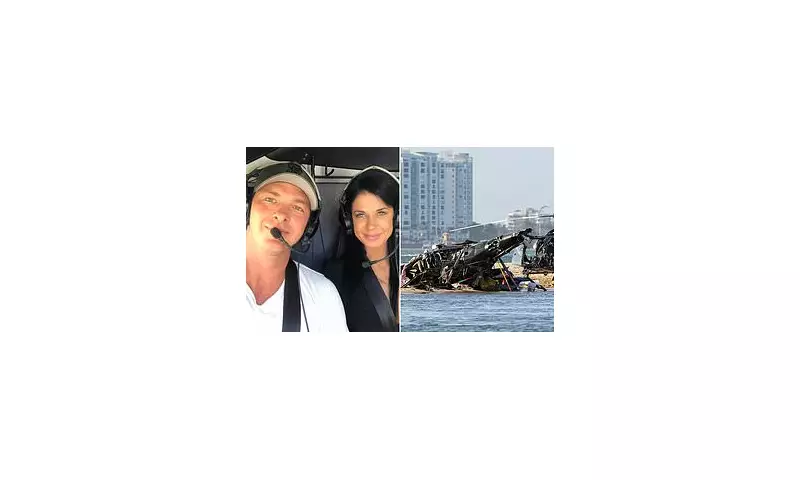
The pilot at the centre of the catastrophic Sea World helicopter crash suffered a mental 'breakdown' and used cocaine in the days before the incident, a coroner has been told. Ashley Jenkinson, 40, was among four people who died when his helicopter collided with another aircraft outside the Gold Coast theme park on January 2, 2023.
Giving evidence via videolink, Mr Jenkinson's fiancee, Kosha Richardson-Johnson, revealed the pilot had experienced a significant emotional collapse in late 2022. She described finding him crying in a wardrobe after he expressed feeling immense pressure at work. "He said, 'You don't know what kind of pressure I'm under'," Ms Richardson-Johnson told the inquiry.

She also disclosed that Mr Jenkinson used cocaine at social events 'probably six to eight times' a year and had taken the drug in the early hours of New Year's Day 2023, just a day before the fatal flight. She stated he would use cocaine on days before taking tourists on joy flights for Sea World Helicopters 'two or three times a year'.
Witness Accounts of Drug Use at New Year's Eve Party
Two witnesses provided corroborating testimony about the pilot's actions at a 2022 New Year's Eve party. Industrial oil salesman Stephen Gill told the inquest he entered a shed at the party around 8pm and saw a 'white powder substance' on a toolbox. He said he had seen Mr Jenkinson consume 'probably three or four lines throughout the night' on previous occasions when he took cocaine.
Digital marketing director Ross Meadows, described as one of Mr Jenkinson's 'best mates', said he saw the pilot inhaling a white substance in the same shed around 9pm. Under cross-examination, Mr Meadows admitted he knew 'cocaine and flying did not mix' but did not report his friend's illegal drug use to aviation authorities or speak to him about it.
Coroner Carol Lee heard that no other Sea World Helicopters staff or pilots attended the party. An autopsy later confirmed Mr Jenkinson had tested positive for cocaine, though an Australian Transport Safety Bureau investigation concluded he was 'unlikely to have been directly affected by the drug at the time of the accident'.
Work Pressure and Tragic Consequences
The inquest heard that Mr Jenkinson, as Sea World's chief pilot, had been working long hours to manage paperwork and prepare new helicopters for the busy holiday period. Ms Richardson-Johnson said she was concerned for his health but decided against asking his boss for a day off. She emphasised she never believed Mr Jenkinson had a cocaine addiction.
The mid-air collision claimed the lives of four people. Alongside Mr Jenkinson, the victims were British newlyweds Ronald and Diane Hughes, aged 65 and 67, and 36-year-old Sydney mother Vanessa Tadros. Ms Tadros's son Nicholas, who was just ten years old at the time, lost a leg in the crash and attended the inquest on Tuesday with his father Simon.
The second helicopter involved in the collision managed to land upright despite having its windscreen smashed by a rotor blade. The inquest is set to hear evidence from Sea World Helicopters executives next week, as the investigation into this devastating aviation safety failure continues.