
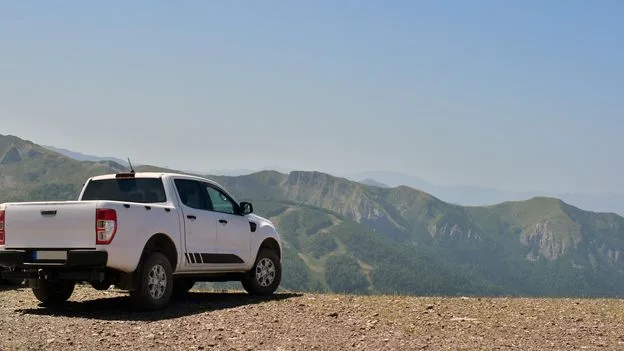
The pickup truck, a symbol of American rugged individualism, is now undergoing an electric transformation. With the Ford F-150 Lightning, Chevrolet Silverado EV, Rivian R1T and Tesla Cybertruck entering the market, electric pickups are gaining traction. The Massachusetts Institute of Technology (MIT) analysis found that electric trucks produce half the emissions of traditional pickups over their lifetimes, offering a potential climate benefit.
However, the cultural weight of the pickup cannot be ignored. According to John Heitman, professor emeritus at the University of Dayton, the vehicle initially served farmers and labourers but evolved into a symbol of independence and self-reliance. By the 1960s, pickups appeared in suburban driveways, and by the 2000s they became luxury items. Heitman notes that pickups are 'equated with independence and individuality', and evoke images of cowboys and do-it-yourself attitudes.
Yet this popularity comes at a cost. Transport is the largest source of US greenhouse gas emissions, with light-duty vehicles including pickups responsible for 57% of that sector. The US Environmental Protection Agency (EPA) reports that while vehicles are becoming more efficient, the shift from cars to larger SUVs and pickups offsets many climate gains. The average vehicle weight and footprint are at record highs.
Electrifying pickups presents unique challenges. Batteries must be large enough to power these heavy vehicles, which increases costs and resource use. Ford chief sustainability officer Bob Holycross said the F-150 Lightning aims to attract buyers 'who were previously resistant to get into pickup trucks before they became electrified because of the emissions impact'. But affordability and infrastructure remain significant hurdles.
While the pickup market in the UK is smaller than in the US, the global trend towards larger vehicles—the EU sees cars growing 1cm wider every two years—raises similar concerns. The International Energy Agency (IEA) estimates 790 million EVs worldwide by 2035 are needed for net zero, but whether electric pickups can balance practicality, cost and environmental goals remains an open question.




