Iran Strikes Close Airspace: Why You Should Not Cancel Your Flight
As Iran strikes lead to the indefinite closure of airspace and airports across the Middle East, travellers are being strongly advised against cancelling their flight tickets. This guidance comes amid deepening travel chaos, with thousands of flights disrupted globally. If passengers cancel their bookings, they risk losing key consumer rights and the ability to claim refunds, making it crucial to check with airlines for alternative options.
Global Airline Industry Faces Weeks of Disruption
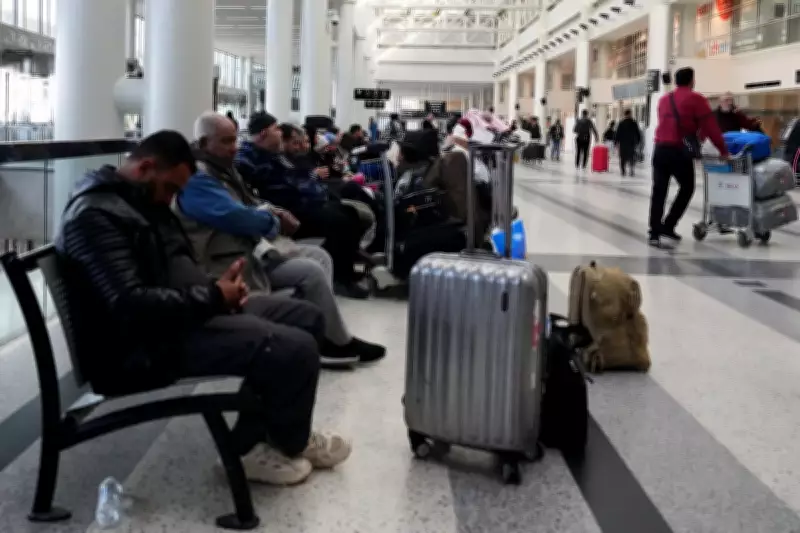
The US and Israeli bombing of Iran, followed by retaliatory strikes, has forced the shutdown of airspace and airports, affecting all global airlines that operate through the region. This closure is projected to have a cascading effect, leading to significant disruptions that may take weeks to resolve. Tens of thousands of travellers are currently stranded, with the backlog from the past weekend alone expected to require extensive time to clear.
President Donald Trump has indicated that operations could be impacted for "4 weeks or less," highlighting the prolonged nature of this crisis. The General Civil Aviation Authority in the UAE has announced that the government will cover accommodation costs for stranded passengers, with approximately 20,000 people affected in the UAE and many more across the region.

Major Airlines Suspend Operations
The Middle East is a critical hub for international aviation, home to three of the world's largest airlines: Emirates and Etihad in the United Arab Emirates, and Qatar Airways in Qatar. These carriers have issued notices to passengers, suspending operations and offering rebooking or refunds for affected flights.
- Emirates has halted all operations to and from Dubai until 3pm UAE time on March 2, with options for passengers booked through March 5.
- Etihad has provided similar advice, while Qatar Airways directs travellers to its app for updates.
- Other airlines, such as Lufthansa, have also issued passenger notices, though carriers like Virgin Australia and Qantas are not directly affected but may see impacts via partner airlines.
Travel insurance is unlikely to assist with cancellations, as acts of war are typically excluded from coverage. This underscores the importance of direct communication with airlines to navigate the situation.
Safety Measures and Historical Context
Airlines have been monitoring regional tensions closely and are applying lessons from past disruptions, such as the major shutdown of Middle Eastern airspace in June 2025. The current scenario differs, however, with Iran's response involving missiles and drones that hit civilian targets, including Dubai International Airport and Abu Dhabi's Zayed International Airport.
This is not the first instance of airport attacks in the region; in January 2022, a drone strike by Houthi forces in Yemen on Abu Dhabi's airport resulted in three fatalities. Airlines prioritise the safety and security of passengers and crew, with plans in place to manage such operational challenges.
Challenges for Middle Eastern Carriers
The hub-and-spoke model used by Middle Eastern airlines makes relocation nearly impossible. Carriers like Emirates, with a fleet of 261 passenger aircraft, face logistical hurdles in parking planes and relocating integrated systems for crew, catering, and maintenance. When airspace reopens, airlines will need to deploy extra flights and adjust schedules to address the backlog of stranded passengers.
While short-term demand for travel through the Middle East may dip, the region's strategic geographic location for global connectivity suggests that travel will resume. The hope is that current military actions and instability will be brief, allowing for a swift restoration of full operations.