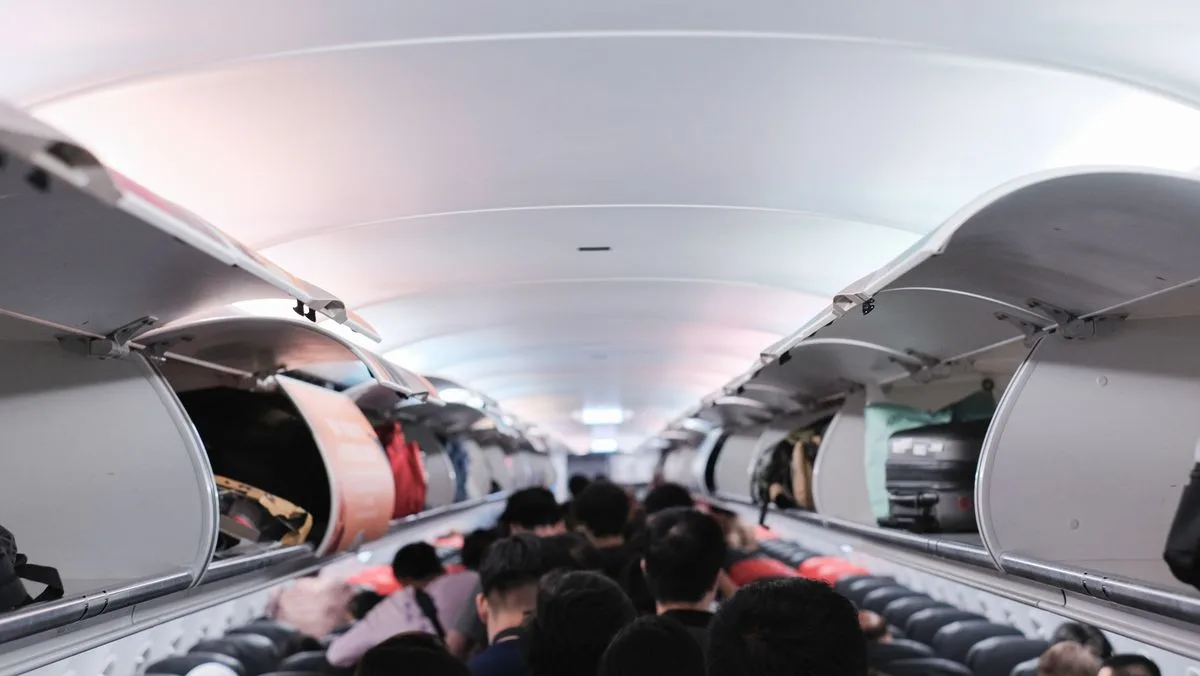
Essential Hand Luggage Rules for TUI, easyJet, Jet2, and BA Travellers
Hand Luggage Rules for TUI, easyJet, Jet2, BA Explained

Navigating Hand Luggage Rules for Major Airlines

When preparing for a holiday, understanding hand luggage regulations is crucial not only to avoid extra fees but also to ensure compliance with security protocols. Airlines such as TUI, easyJet, Jet2, and British Airways have specific policies, but passengers must also adhere to airport rules, which can vary based on the departure and destination locations. These restrictions are generally consistent across UK departures, but inbound flights from other countries may impose different requirements, making it essential to check both ends of your journey.

Common Prohibited Items in Hand Luggage

Security measures at airports are stringent, and carrying banned items can lead to confiscation and delays. The UK government emphasises that airport staff will not permit any item deemed dangerous, even if it is typically allowed. Below is a list of common items that are prohibited in hand luggage:

  • Corkscrews: Permitted only in hold luggage.
  • Knives: Those with sharp or pointed blades longer than 6cm are banned, though some airlines may allow them in hold luggage.
  • Large scissors: Blades exceeding 6cm are prohibited, but small scissors like sewing scissors under 6cm are acceptable.
  • Fireworks and pyrotechnics: Including party poppers and toy caps, these are not allowed in any luggage.
  • Non-safety matches: Banned in both hand and hold luggage, while safety matches are allowed only in hand luggage.

Liquid Restrictions and Evolving Rules

Liquid limits are a key aspect of hand luggage regulations. Most UK airports enforce a 100ml rule for liquids in hand luggage, but several have recently scrapped this restriction. Airports such as Birmingham, Bristol, Edinburgh, London Gatwick, London Heathrow, London City, Teesside, Belfast International, Belfast City, and Newquay now allow larger quantities, though it is advisable to verify with the specific airport for both outbound and inbound flights, as international destinations may have different policies.

Wide Pickt banner — collaborative shopping lists app for Telegram, phone mockup with grocery list

Exceptions to the 100ml rule include medical necessities, special dietary requirements, and baby food or milk, where containers up to 2 litres are permitted. Additionally, liquids purchased at airport duty-free shops can be taken onboard. However, frozen liquids, including breast milk, are generally not allowed in hand luggage.

Niche Items and Additional Considerations

Beyond common prohibitions, certain niche items are also banned from hand luggage. These include:

  • Sports equipment: Such as heavy bats (baseball, cricket), golf clubs, darts, walking poles, catapults, crossbows, and martial arts gear like knuckledusters and nunchuks—all permitted only in hold luggage.
  • Firearms and replicas: Typically banned in hand luggage but may be allowed in hold luggage with prior airline approval.
  • Harpoon or spear guns: Similar to firearms, check with your airline for hold luggage policies.
  • Work tools: Including drills, saws, hammers, and blowtorches with blades or shafts over 6cm are prohibited in hand luggage but acceptable in hold luggage.

For cigarette lighters, passengers are allowed only one in hand luggage, which must be kept in a resealable plastic bag and on your person during the flight; they cannot be packed in hold luggage.

Ensuring a Smooth Travel Experience

To avoid disruptions, travellers should verify hand luggage size limits, which vary by airline, and review all restrictions before arriving at the airport. This proactive approach helps ensure a safe and seamless journey, minimising the risk of confiscations or additional fees. Always consult official sources like the UK government website or contact airports directly for the most up-to-date information.

Pickt after-article banner — collaborative shopping lists app with family illustration




