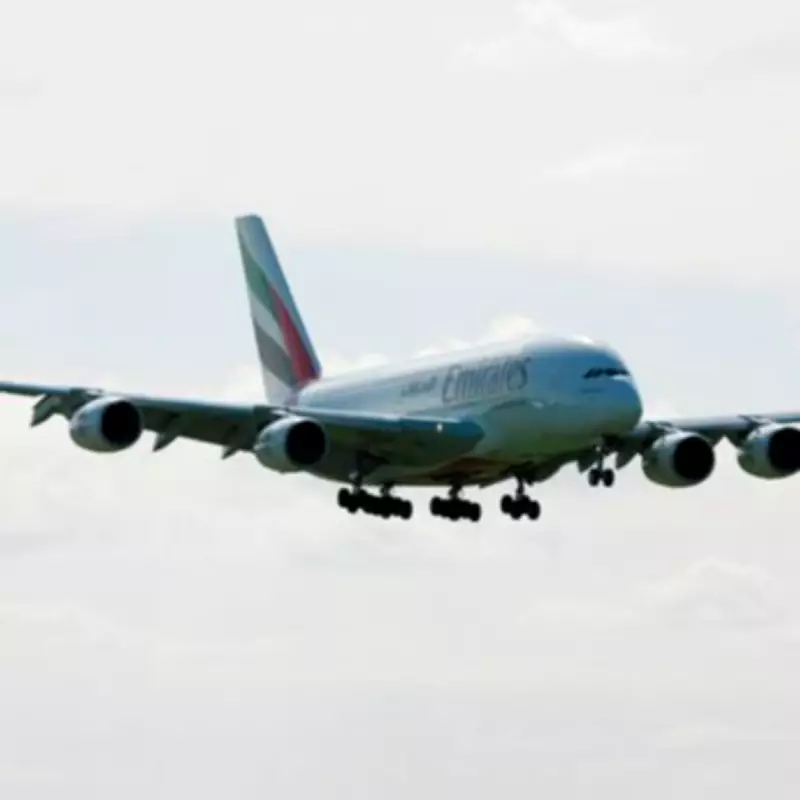
Major Airlines Resume Limited Operations Following Middle East Conflict Disruptions
Etihad Airways and Emirates have announced a limited resumption of flights this afternoon after suspending all operations for safety reasons due to the escalating conflict in the Middle East. The airlines, based in Abu Dhabi and Dubai respectively, had grounded their fleets following drone attacks from Iran and reciprocal strikes by the United States and Israel on neighbouring countries.
Flight Tracking Shows Gradual Return to Service
Flight tracking data indicates that Etihad aircraft began moving first, with Emirates following suit with a limited number of flights commencing on the evening of March 2nd. Dubai's government has confirmed a "limited resumption of operations" and is advising passengers only to proceed to the airport if they have received direct notification from the airline.
An official statement from Emirates clarified their operational status: "Emirates will begin operating a limited number of flights commencing on the evening of 2 March. We are accommodating customers with earlier bookings as a priority, and those who have been rebooked to travel on these limited flights will be contacted directly by Emirates."

The statement continued with important guidance for affected passengers: "Please do not go to the airport unless you have been notified. All other flights remain suspended until further notice. Emirates continues to monitor the situation, and we will develop our operational schedule accordingly. Updates will be published on our website and official social media channels."
Massive Disruption to Global Air Travel
The airspace closures across the Middle East have created significant disruption for hundreds of thousands of airline passengers worldwide. Several major Middle Eastern airports serve as crucial transit hubs for travellers moving between Europe and destinations in Asia and Australia, amplifying the impact of these closures.
According to aviation analytics company Cirium, a staggering 1,555 out of 5,340 flights scheduled to operate to the Middle East on Monday were cancelled. This included 735 flights destined for the United Arab Emirates and 255 flights to Qatar. Approximately half a million passengers typically transit through airports in Dubai, Doha, or Abu Dhabi each day under normal circumstances.
UK Government Prepares for Potential Mass Evacuation
British officials are actively developing contingency plans for the potential evacuation of more than 100,000 British nationals currently in the Middle East region. Foreign Secretary Yvette Cooper has confirmed that 102,000 British citizens have already registered their presence through official channels.
Ms Cooper revealed the scale of the challenge during an interview with BBC Breakfast: "The latest figure I have from this morning is we have 102,000 people who have responded to our proposal to ask people to register their presence so we know where they are, particularly in these Gulf countries that have been targeted so we know where they are and so that we can get them rapid information."
She further explained the complexity of the situation: "In many of these countries the airspace is currently closed because of the Iranian attacks. This is deeply stressful obviously for people because we're talking about a lot of people who are holidaymakers, who were transit passengers just passing through or people on business visits to the region and who we want to make sure can get safely home."
The Foreign Office estimates that approximately 300,000 British citizens are currently in Gulf countries that have been targeted by Iranian attacks. British nationals are being advised to closely follow instructions from local authorities and monitor the Foreign Office's travel advice, which officials expect to change rapidly as the situation develops.

Registration Scheme Activated for Crisis Response
The UK government has specifically urged British citizens in Bahrain, Israel, Kuwait, Palestine, Qatar, and the United Arab Emirates to register their presence with the Foreign Office through their online registration system. While the government has previously used this registration scheme to provide urgent updates during international crises, officials acknowledge they have never before needed to coordinate assistance for so many people across so many different countries simultaneously.
According to sources familiar with the planning, any potential repatriation of UK nationals would likely be organised by the Foreign Office, with one possible evacuation route involving overland travel to Saudi Arabia followed by flights from Saudi airports. The airlines have emphasised that passenger and crew safety remains their highest priority throughout this challenging period.