Wealthy Evacuate Middle East on Private Jets at Costs Up to £260,000
Affluent individuals are paying as much as £260,000 to escape the Middle East aboard private jets, according to recent reports. This surge in demand comes as wealthy elites flee to Saudi Arabia to evacuate the Gulf region, following a weekend of Iranian missile and drone strikes over Abu Dhabi, Dubai, Qatar, and Bahrain. These areas, once considered safe havens for the rich, are now scenes of escalating conflict.
Saudi Arabia Becomes Key Exit Route Amid Regional Unrest
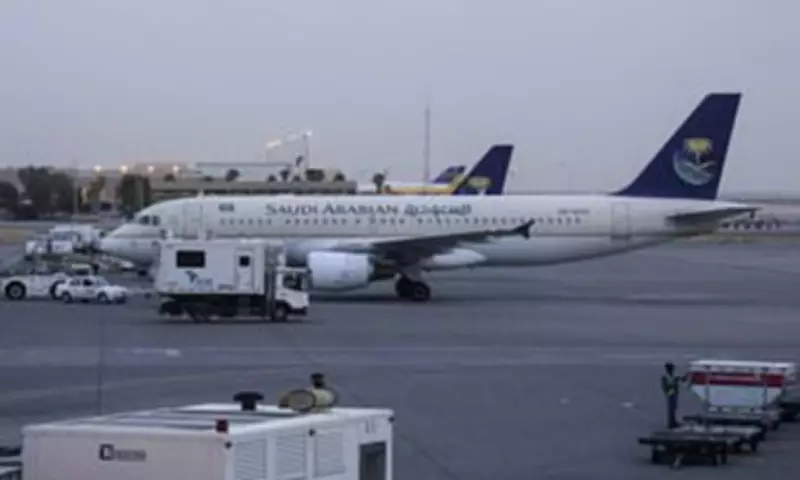
Riyadh has emerged as a critical exit point for those seeking a secure departure from the Middle East, as the airport in the Saudi capital remains one of the few still operational. However, the journey is exorbitantly expensive. Private security companies are reportedly booking fleets of SUVs to transport evacuees on a grueling 10-hour drive from Dubai to Riyadh, followed by chartered private planes for onward travel.
Among those being evacuated are senior executives from global finance firms and high-net-worth individuals who were either holidaying in the region or on business trips, as reported by Semafor. The sharp increase in demand for emergency exits is driving up prices for both SUVs and private jets, with flights from Riyadh to Europe now costing up to $350,000 (£260,000).

Safety and Accessibility Enhance Saudi Arabia's Appeal
Saudi Arabia currently appears to be the safest country for exiting the Middle East, especially after routes out of Oman were closed following Iran's strike on a port and an oil tanker there on Sunday. Riyadh hosts King Khalid International Airport (RUH), located about 35 kilometers from the city center. This major international airport features five passenger terminals and typically offers flights to Europe, America, Asia, the Middle East, and Africa.
Additionally, visa rules in Saudi Arabia have been loosened, allowing many nationalities to obtain visas upon arrival rather than in advance. This policy change makes the country an appealing emergency exit route for numerous evacuees, facilitating quicker departures during the crisis.
Escalating Threats to Gulf Energy Infrastructure
Although Saudi Arabia had previously avoided the worst of Iranian strikes over the weekend, the situation intensified when the world's largest oil refinery, Ras Tanura, was hit by an Iranian drone this morning. Saudi Arabia was forced to close the refinery, marking what experts describe as a 'significant escalation' in the US-Israel war with Iran.
Torbjorn Soltvedt, a Middle East analyst at risk intelligence firm Verisk Maplecroft, noted that this attack demonstrates Gulf energy infrastructure is now 'squarely in Iran’s sights.' He added, 'The attack is also likely to move Saudi Arabia and neighboring Gulf states closer to joining U.S. and Israeli military operations against Iran.'
Saudi Arabia's defence ministry confirmed that two drones were intercepted and destroyed earlier today, though its statement did not attribute the weapons to Iran. This incident follows previous attacks on Saudi Arabia's heavily fortified energy facilities, most notably in September 2019 when drone and missile strikes on the Abqaiq and Khurais plants temporarily halted more than half of the kingdom's crude production. Ras Tanura was also targeted by Yemen's Iran-aligned Houthis in 2021.