
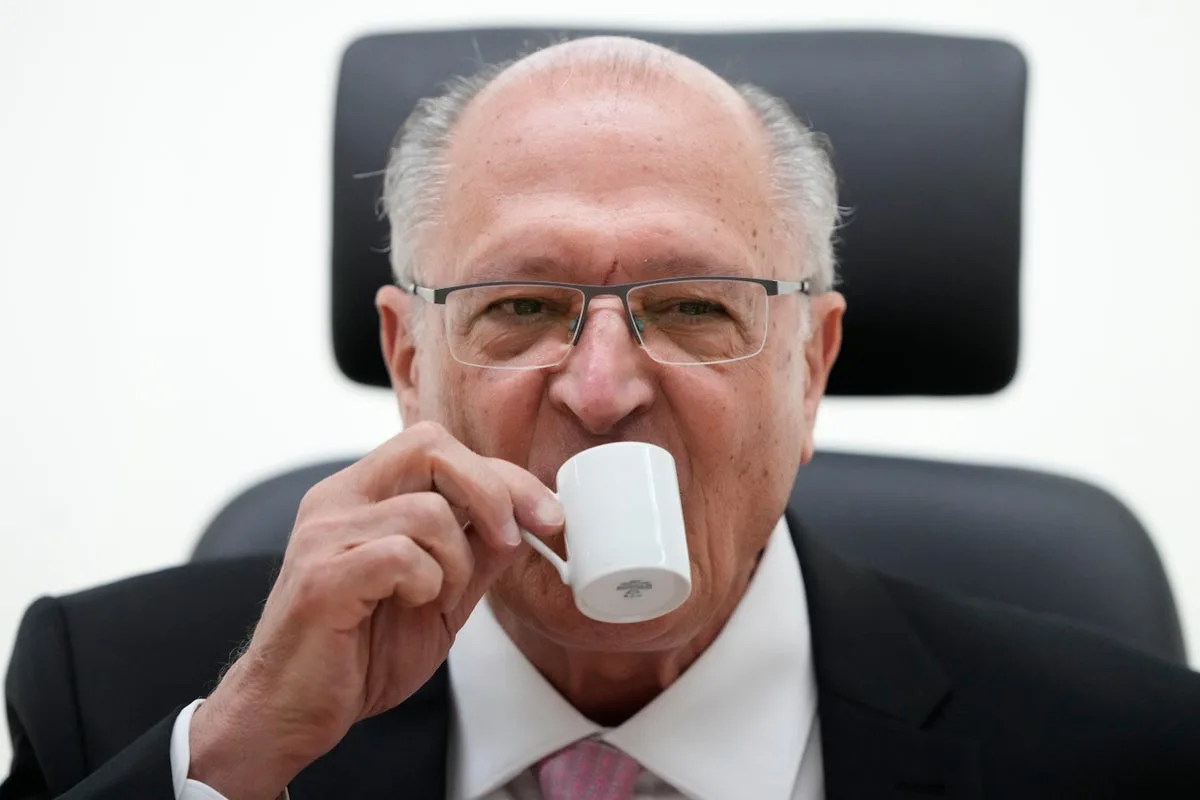
Brazil's Vice President Geraldo Alckmin has described the long-awaited trade deal between the South American bloc Mercosur and the European Union as a welcome relief in a world dominated by protectionism and unilateral moves. The agreement, which capped 25 years of negotiations, was reached in late 2024 and is set to provisionally come into force on May 1.
Speaking at the presidential palace in Brasília, Alckmin said the deal sends a powerful message that market opening is still possible. He called it the largest trade agreement between blocs in the world, encompassing a market of $22 trillion and 720 million people. The deal faced fierce opposition from farmers and environmentalists in December, and later hit a legal hurdle when EU lawmakers referred it to the bloc's judiciary. However, the European Commission decided to provisionally enact it, bypassing the European Parliament, though it could be halted if the European Court of Justice rules against it.
Alckmin stressed that failing to finalise the deal would have left Mercosur behind while competitors secured other agreements. He described it as a win-win for both blocs, predicting a 13% annual increase in Brazilian exports to the EU. The agreement was signed on January 17, and European Commission President Ursula von der Leyen praised the administration of Brazilian President Luiz Inácio Lula da Silva for its efforts in overcoming opposition, particularly from France.
Alckmin also confirmed that Brazil is negotiating potential deals with the United Arab Emirates and Canada. Reflecting on the political journey, he noted that two decades ago he and Lula were on opposite sides of the EU-Mercosur negotiations, but they united in 2022 to defeat then-President Jair Bolsonaro. Lula later appointed Alckmin as trade and industry minister, making him a key negotiator. The deal gained momentum after US President Donald Trump imposed tariffs on several countries, including Brazil.
French President Emmanuel Macron, a critic, had demanded safeguards against economic disruption, stricter regulations, and more import inspections. Alckmin rejected claims that Mercosur countries are less concerned about environmental preservation, citing Brazil's 50% reduction in deforestation. He added that either bloc could request safeguards if an import boom occurs. The full implementation of the deal may take up to 12 years, allowing Mercosur companies to improve productivity and quality. Alckmin said the fruit, beef, and sugar industries would be among the first to benefit, concluding that a gradual approach is better than no deal at all.




