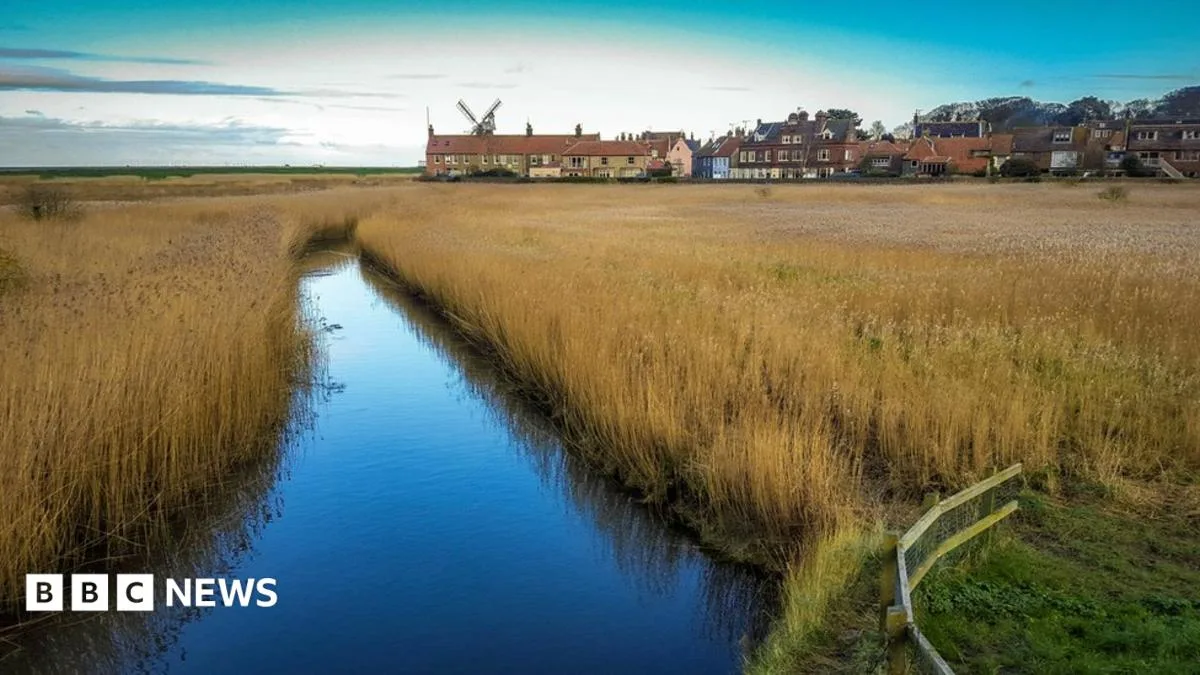
Consumer watchdog Which? has published data from Action Fraud revealing regional variations in the types of scams most commonly reported across the UK. The data, obtained via a Freedom of Information request, highlights that Norfolk is a hotspot for dating scams, Surrey for investment fraud, and west and mid-Wales for cold calling computer cons.
Northamptonshire residents are most likely to report online shopping and auction scams, with 21.6 victims per 10,000 compared to the national average of 16.9. Dorset sees high rates of computer virus, malware and spyware fraud, with 15,561 reports from 2014 to 2016, while Warwickshire recorded 30,944 cases of retail fraud in the same period. London is the fraud capital for a range of scams, including 16,249 reports of social media hacking.
Which? noted that it could not explain why certain frauds are more prevalent in some areas, partly because many cases go unreported. In 2016, 264,204 frauds were reported to Action Fraud, but this is likely a fraction of the true number. The report suggested that demographics play a role, with fake computer fixes often targeting elderly women in rural areas.
Gareth Shaw, Which? money expert, said: "This research highlights how reported fraud in the UK is on the increase and the kinds of scams you are most likely to fall victim to will depend on where you live. These criminals are constantly finding new ways to rip us off and those tackling fraud should be upping their game." He called on the government to set out an ambitious agenda to tackle fraud.
Commander Dave Clark of the City of London Police, National Co-ordinator for Economic Crime, stated: "Fraud and cyber crime are global problems with many of the offenders targeting UK citizens from overseas. Law enforcement is not the single solution to this phenomenon. The solution requires every individual, business and organisation to take responsibility to ensure they take steps to protect themselves and others."