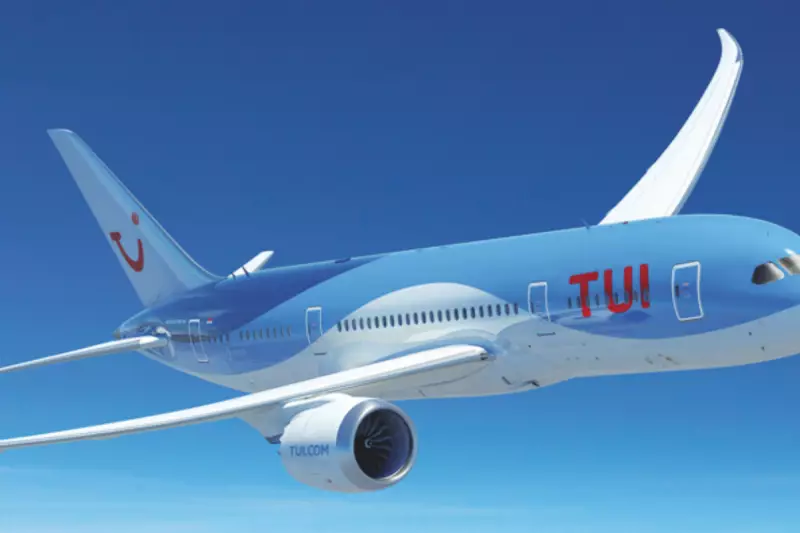
In a dramatic race against time, holiday giant TUI executed a remarkable emergency airlift, rescuing hundreds of British tourists from Jamaica as Hurricane Beryl threatened to unleash its fury on the Caribbean paradise.
The urgent evacuation saw nearly 400 holidaymakers safely transported from the approaching storm, with rescue flights touching down at Manchester Airport in a carefully coordinated operation. The swift action prevented what could have been a catastrophic situation for tourists caught in the hurricane's path.
The Storm Approaches
As meteorologists tracked Hurricane Beryl's intensifying path toward Jamaica, TUI's emergency response team sprang into action. The category four storm, packing devastating winds and torrential rains, left no room for hesitation in what became a life-saving mission.
"The safety of our customers is always our absolute priority," a TUI spokesperson emphasised. "We continuously monitor weather situations and took the decision to bring customers home earlier than planned to avoid any risk from Hurricane Beryl."
Operation Rescue: How It Unfolded
The evacuation operation involved:
- Multiple aircraft deployed to retrieve stranded tourists
- Close coordination with Jamaican authorities and airport officials
- Real-time weather monitoring to ensure safe flight paths
- Comprehensive passenger support throughout the journey
Passengers originally scheduled to return later in the week were instead flown home on specially arranged flights, cutting their holidays short but ensuring their safety.
Passenger Relief and Future Travel
For the evacuated tourists, the experience shifted from holiday relaxation to emergency evacuation in mere hours. Many expressed both disappointment at their shortened vacations and gratitude for the swift action taken by the travel company.
TUI has confirmed that affected customers will receive full refunds for the missed portion of their holidays, demonstrating their commitment to customer care during unexpected circumstances.
The successful evacuation serves as a stark reminder of the importance of robust emergency protocols in the travel industry, particularly during the Atlantic hurricane season when tropical storms can develop with alarming speed.