A wild bull elephant has claimed its third human victim at a renowned Thai national park, prompting urgent discussions about wildlife management and tourist safety protocols. The fatal incident occurred at Khao Yai National Park, where the elephant named Phlai Oiwan attacked a tourist during early morning hours.
Tragic Morning Encounter
The victim, identified as Jirathachai Jiraphatboonyathorn from Muang district of Lop Buri, was exercising with his wife approximately five metres from their campsite around 5:30am on Monday, February 2nd. According to multiple reports from Agence France-Presse, the Bangkok Post, and Khaosod English, the man in his sixties encountered the bull elephant feeding outside its forest boundary.
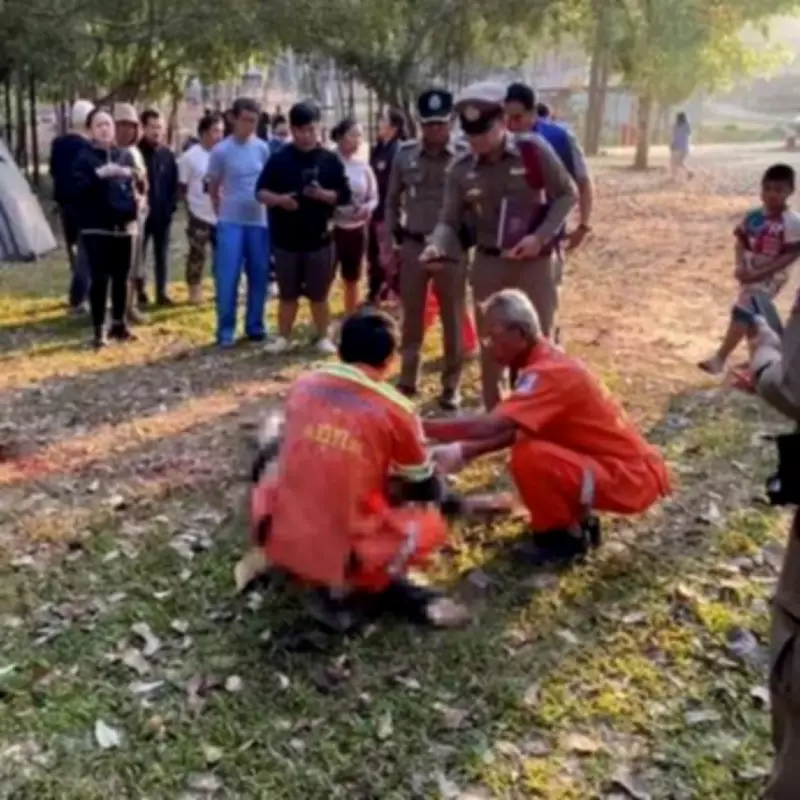
The elephant charged at Jirathachai, seizing him with its trunk before violently slamming him to the ground and stomping on him. Rescue workers and a doctor who examined the victim reported he suffered multiple broken limbs and severe injuries from the brutal attack.

Park Officials Respond to Crisis
Wanchai Kaenchantuek, head of the Khao Yai 4 (Khlong Pla Kang) park protection unit, reported hearing both the elephant and desperate cries for help. Upon rushing to the scene, he discovered the victim and immediately alerted relevant officials. The horrifying attack unfolded as other campers watched helplessly, while the victim's wife managed to escape after park rangers successfully scared the elephant away.
National park official Chaiya Huayhongthong confirmed to AFP that officials will convene on Friday to determine appropriate action regarding the problematic elephant. "We will probably decide to relocate him or change his behaviour," Huayhongthong stated, indicating the seriousness of the situation.
Pattern of Dangerous Behaviour
This marks the third confirmed fatality caused by this particular bull elephant, though officials suspect the animal may have been responsible for additional unreported incidents. The recurrence of such attacks has raised significant concerns about wildlife management practices and visitor safety measures within Thailand's national parks.
In response to the tragedy, forest officials have implemented increased patrolling and monitoring activities throughout the park. They have also issued renewed warnings urging tourists to exercise extreme caution when visiting areas where wild elephants are known to roam.
Broader Context of Human-Wildlife Conflict
According to Thailand's Department of National Parks, Wildlife and Plant Conservation, wild elephants have killed more than 220 people since 2012, including numerous tourists. This sobering statistic highlights the ongoing challenges of managing human-wildlife interactions in regions where tourism and conservation intersect.
The latest incident at Khao Yai National Park underscores the delicate balance required between protecting endangered species like Asian elephants and ensuring public safety. As officials prepare to make critical decisions about the future of Phlai Oiwan, the tragedy serves as a stark reminder of the unpredictable nature of wildlife encounters and the importance of robust safety protocols in natural habitats.