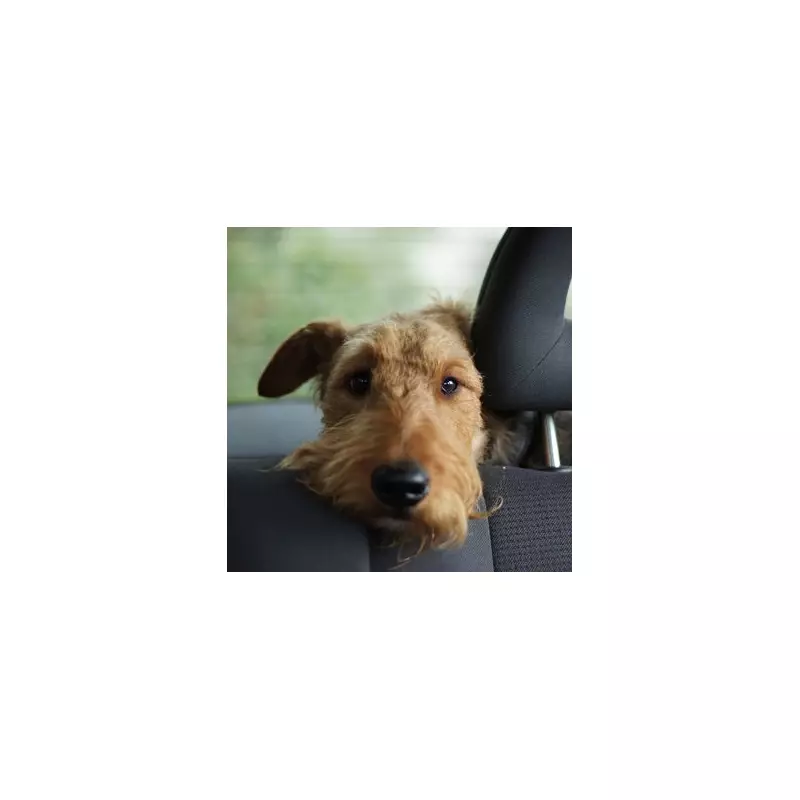
Expert Dog Trainer Reveals Revolutionary Home Exercise to Prevent Canine Car Sickness
If you've ever suffered from motion sickness during car journeys, you'll understand the profound discomfort it creates. This unpleasant experience isn't limited to humans – our canine companions frequently endure similar distress during automotive travel, turning necessary trips to veterinary clinics or distant walking locations into stressful ordeals for both pet and owner.
The Root Cause of Canine Motion Sickness
Kim Paciotti, an acclaimed dog and puppy trainer who operates the Empowered Puppy Program, has illuminated the fundamental cause behind this common issue. Through her substantial Instagram platform, boasting over 323,000 dedicated followers, Paciotti explains that car sickness typically stems from an underdeveloped vestibular system in younger dogs.
"Most people mistakenly believe the solution involves repeated car exposure," Paciotti revealed in a detailed social media post. "This approach merely addresses symptoms rather than establishing the necessary neurological foundation." The vestibular apparatus, responsible for balance and spatial orientation, requires comprehensive development through varied motion experiences before puppies can comfortably process automotive movement.

Innovative Home-Based Training Solutions
Paciotti's groundbreaking methodology involves training puppies to tolerate diverse movements using ordinary household items, completely eliminating initial car exposure. Her approach centers on systematically exposing developing canine vestibular systems to multiple motion types through creative domestic exercises.
The trainer advocates several accessible techniques that pet owners can implement immediately:
- Horizontal sliding practice by gently pulling puppies across floors on blankets or towels
- Vibration familiarisation through supervised placement atop operating washing machines
- Rotational motion adaptation using carefully controlled spins on office chairs
- Rocking chair sessions to simulate horizontal movement patterns
- Swing exercises that combine multiple motion types simultaneously
- Pram experiences that introduce forward horizontal movement with realistic bumps and turns
Implementing Effective Training Sessions
Paciotti emphasises crucial implementation guidelines for optimal results. Training sessions should remain brief – approximately thirty seconds to one minute each – and always occur within familiar home environments. Careful observation of canine body language provides essential feedback during exercises.
"Monitor your puppy's reactions closely during each session," the expert advises. "Continue exercises when they display relaxed, curious behaviour, but immediately slow down or pause if they exhibit tension or escape attempts."
Transforming Automotive Experiences
This comprehensive training approach delivers transformative results according to Paciotti's extensive experience. "When properly prepared puppies eventually enter vehicles, their vestibular systems have already processed every motion type cars produce," she explains. "Automotive travel becomes another mastered movement rather than a frightening, nausea-inducing novelty."
Beyond preventing physical discomfort, this methodology significantly reduces travel-related anxiety in dogs, creating more pleasant journeys for pets and owners alike. By addressing neurological development rather than symptom management, Paciotti's technique offers a permanent solution to a problem that affects countless canine households across the United Kingdom.