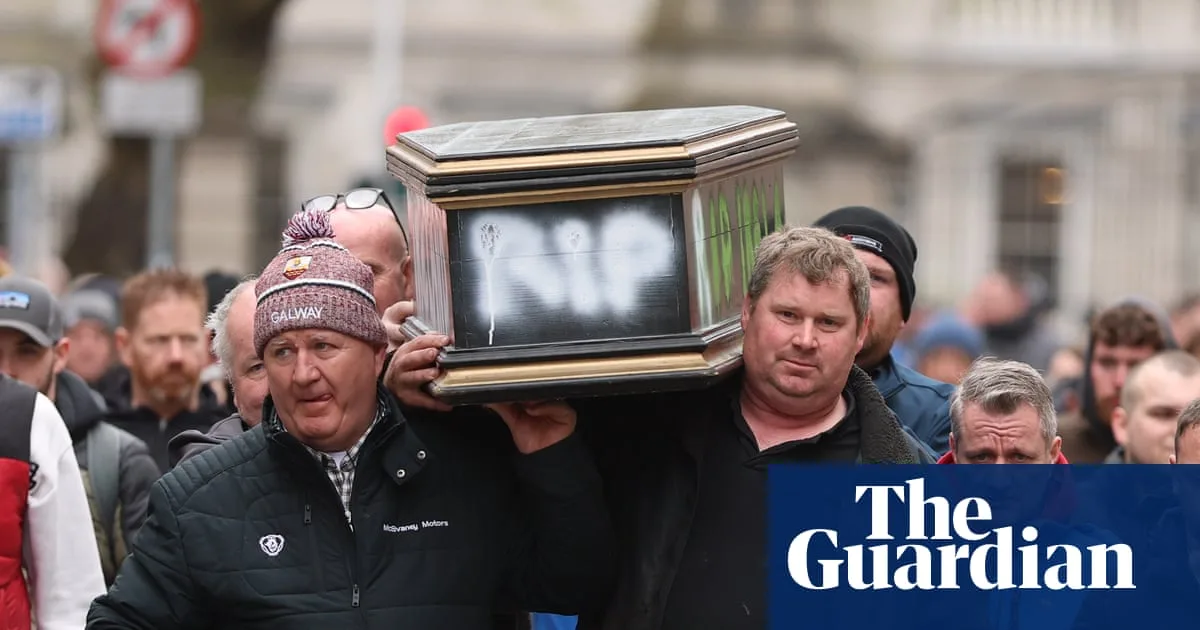
Fuel Price Protests Cause Chaos in Ireland and Spread to Norway
Fuel Price Protests Cause Chaos in Ireland and Norway

Fuel Price Protests Cause Chaos in Ireland and Spread to Norway

Protests over soaring fuel prices have plunged Ireland into chaos and spread to Norway, creating widespread disruption as hauliers, farmers, and other groups block motorways and critical infrastructure. In a fourth consecutive day of action on Friday, the Irish government placed the army on standby to help remove blockades, while police warned protesters to disperse or face arrest.

Fuel Shortages and Travel Disruption

In Ireland, the protests have led to severe fuel shortages, with approximately 100 filling stations running dry and warnings that this number could rise to 500. The National Emergency Coordination Group urged drivers to only purchase the fuel they need to mitigate the crisis. Blockades at ports and the sole oil refinery in Whitegate, County Cork, have crippled deliveries, putting Ireland on the verge of turning away oil shipments and losing its supply.

Taoiseach Micheál Martin described the situation as "unconscionable and illogical," accusing protesters of holding the country to "ransom." The protests have also caused significant travel disruption, with columns of tractors and vehicles closing motorways and bringing parts of Dublin, including O'Connell Street, to a standstill.

Wide Pickt banner — collaborative shopping lists app for Telegram, phone mockup with grocery list

Government Response and Ongoing Talks

The Irish government has announced a €250 million package of measures to reduce fuel costs, including a temporary excise duty reduction and an expansion of a diesel rebate scheme for hauliers and bus operators. However, a meeting between ministers and representative bodies from the haulage and farming industries on Friday ended without a resolution, with talks set to continue over the weekend.

Deputy Premier Simon Harris indicated that a "substantial and significant" support package for key economic sectors is in the works, emphasizing that "the blockade has to end." Despite this, protesters remain defiant, with spokesperson Christopher Duffy stating that actions will continue until there is detail on a "serious reduction in our costs."

Spread to Norway and Global Context

The protests have spread to Norway, where lorry drivers participating in the "diesel roar" protest descended on the capital, Oslo. About 70 to 80 trucks, some bearing banners reading "nok er nok!" (enough is enough!), drove in a convoy to the parliament, though only a handful were permitted to enter the city.

Norway, despite being an oil producer, has seen fuel prices surge due to the effective closure of the Strait of Hormuz amid the Middle East conflict. Statistics Norway reported a 17.9% increase in fuel and lubricant prices from February to March, with diesel prices jumping by 23.6%—the sharpest month-on-month rise recorded using the CPI inflation index.

Broader Impacts and Concerns

The protests are endangering critical supplies of food, fuel, clean water, and animal feed, according to An Garda Síochána, Ireland's police force, which warned that such actions are "not tolerable and are against the law." The Irish Medical Organisation highlighted that slower emergency response times and missed healthcare appointments could harm patient welfare, while courier company DPD suspended deliveries due to the disruptions.

Justice Minister Jim O'Callaghan raised concerns about "outside actors," such as British far-right activist Tommy Robinson, manipulating the protests for their own agenda. This echoes similar tactics seen in Denmark, where the far-right Danish People's party attempted to tap into discontent by offering to pay voters for their petrol.

Global Ripple Effects

The rise in oil prices, triggered by attacks on Iran by the US and Israel since 28 February, has convulsed global markets and sparked outcries from consumers and businesses. In response, some countries have implemented temporary fuel tax cuts, while others have considered rationing or demand restrictions. For instance, the Philippines declared a state of "national energy emergency," and France allowed fuel tankers to circulate on weekends and public holidays until 11 May to avert shortages.

As protests continue, with spokespeople like John Dallon vowing to remain in Dublin for weeks if necessary, the crisis underscores the far-reaching impact of fuel price volatility and the challenges governments face in balancing economic support with public order.

Pickt after-article banner — collaborative shopping lists app with family illustration




