Major Cruise Lines Reroute from Alaska Fjord After Landslide Tsunami Hazard
Cruise Lines Reroute from Alaska Fjord After Landslide Tsunami

Cruise Giants Abandon Iconic Alaska Fjord Following Destructive Landslide and Tsunami

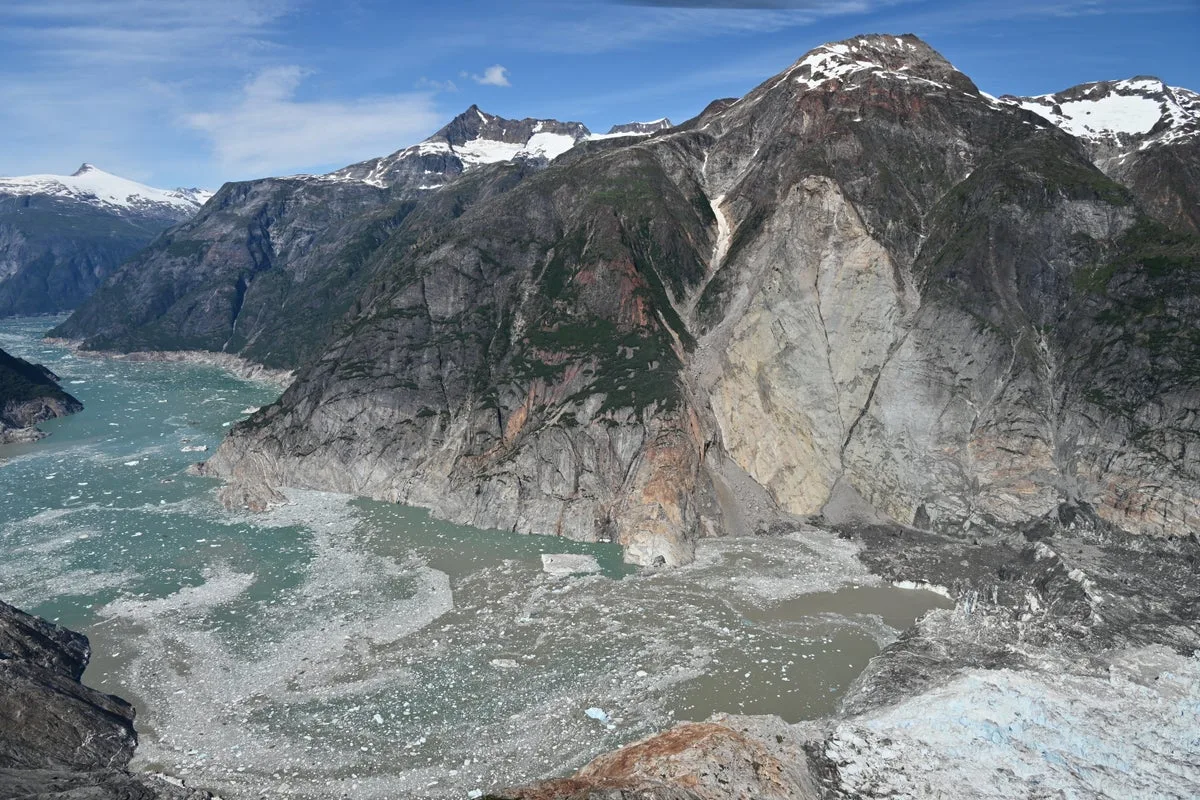
In a significant operational shift, at least seven major cruise lines have suspended their traditional routes through the majestic Tracy Arm Fjord in Alaska. This decisive action comes in direct response to a massive landslide that occurred on August 10, 2025, which generated a destructive tsunami and has left the area geologically unstable and hazardous for the foreseeable future.

The Catastrophic Event and Its Lasting Dangers

The incident unfolded at the base of the South Sawyer Glacier within the Tracy Arm Fjord. A substantial section of the mountain slope collapsed, plunging into the waters below. This impact unleashed a colossal wave, estimated to be over a quarter-mile in height, which violently crashed into the opposite mountain wall before surging out of the fjord's confines.

Fortunately, no cruise ships were present inside the fjord during the event, and there were no reported injuries or fatalities. The primary material loss involved camping equipment belonging to nearby kayakers, which was swept away by the powerful waters.

Wide Pickt banner — collaborative shopping lists app for Telegram, phone mockup with grocery list

However, the landslide's aftermath presents a grave, long-term threat. The United States Geological Survey (USGS) has issued a stark warning, stating that the instability caused by the event will render the fjord dangerous 'for years' to come. In a public statement, the federal agency elaborated: 'Continued rockfall and smaller-scale landslide events from the exposed landslide scar are expected and could impact the water, potentially causing future local tsunami. As such, this area remains hazardous.'

A Scenic but Necessary Detour to Endicott Arm

Heeding these scientific warnings, the cruise industry has proactively altered its plans for the upcoming glacier-viewing season. The collective pivot is towards the neighbouring Endicott Arm Fjord, which features the impressive Dawes Glacier. Both fjords are situated approximately 50 miles south of Alaska's capital, Juneau.

This change, while prudent from a safety standpoint, represents a notable shift in passenger experience. Tracy Arm Fjord has long been celebrated for its narrow, dramatic waterways and its pair of glaciers—North and South Sawyer. In contrast, Endicott Arm offers a single glacier.

Travel agent Nate Vallier, speaking to the Associated Press, captured the sentiment of many in the tourism sector, noting that Tracy Arm is traditionally considered 'the majestic princess, you know, she is the queen of fjords.' While Endicott Arm is 'still beautiful by any means, but it’s just not the same,' he added.

Industry Response and Passenger Impact

The list of cruise lines confirming itinerary changes is extensive and includes industry leaders:

  • Carnival Cruise Line
  • Royal Caribbean International
  • Virgin Voyages
  • MSC Cruises
  • Oceania Cruises
  • Holland America Line
  • Windstar Cruises

Not all operators have followed suit. Companies like National Geographic-Lindblad Expeditions have stated they are monitoring conditions but have no immediate plans to deviate from scheduled calls to Tracy Arm.

The rerouting coincides with the start of the Alaska cruise season, with the first ships departing Seattle soon and due to arrive near Ketchikan by late April, before reaching Juneau in early May.

For many first-time visitors, the change may go unnoticed. Travel advisor Nancy Winter suggested to Travel Weekly that these passengers 'don't really know they're having a different experience.' However, Vallier expressed a desire for cruise lines to have provided more advanced notice to customers, particularly those anticipating the iconic spectacle of calving glaciers at Tracy Arm—a dramatic process where towering ice chunks, some up to 200 feet tall, split off and crash into the sea.

Pickt after-article banner — collaborative shopping lists app with family illustration

Ongoing Scientific Scrutiny and Unanswered Questions

The scientific community continues to investigate the event. Gabriel Wolken, manager of the Alaska Climate and Ice Hazards Program, informed the AP that while landslides in Alaskan fjords are relatively common, the specific slope that failed in Tracy Arm had not been previously identified as a high-risk hazard zone. Researchers are actively working to determine the precise cause of the landslide and to assess whether other imminent risks exist within the fjord system.

This large-scale rerouting underscores the powerful intersection of natural forces, scientific assessment, and global tourism logistics, as the industry adapts to ensure passenger safety while navigating Alaska's stunning but unpredictable glacial landscapes.