How Ramadan's Late-Night Chai Culture Could Revive London's Nighttime Economy
On a frigid January evening in London, with temperatures plunging to -2°C, the streets of Piccadilly Circus lay nearly deserted. The festive Christmas illuminations had vanished, replaced by promotional posters for the National Basketball Association's return to the capital. By 11:30 PM, the tourist crowds had dissipated, leaving only dedicated nightclub enthusiasts huddled around heat lamps or seated on kerbstones, scanning the urban landscape for any venue to prolong their night.
Unlike global metropolises such as Tokyo, New York City, and Dubai, which boast tea houses, 24-hour diners, and cafes designed for nocturnal socialising, London presents far fewer alternatives. On most weeknights, residents face a stark choice: visit a pub and incur steep drink costs, or simply return home. Even the pub option often expires by 11 PM due to stringent licensing regulations imposed by local councils, forcing many establishments to cease alcohol service and shutter early. Were it not for the Tube operating around-the-clock on Fridays and Saturdays, London's nightlife would conclude even sooner, relegating many to evenings under electric blankets while binge-watching television.
Ramadan's Transformative Impact on Late-Night Habits
In recent years, however, one annual event has significantly altered after-hours routines: Ramadan. This month-long period of fasting observed by Muslims worldwide introduces a subtle yet profound shift across London. Streets become adorned with "Happy Ramadan" lights, and numerous halal cafes and restaurants adjust their operating hours, opening just before iftar—the fast-breaking meal at sunset—and welcoming patrons well past suhoor, the pre-dawn meal.

In predominantly Muslim neighbourhoods like those along Edgware Road and near Regent's Park, evenings extend late into the night, with lengthy conversations fuelled by steaming cups of chai. This atmosphere echoes Muslim cultures throughout the Middle East, South Asia, and Southeast Asia, fostering a vibrant, alcohol-free social scene.
This shift has ignited broader discussions about socialising without alcohol. According to 2026 data, 43% of young adults aged 18 to 24 now opt for no- or low-alcohol alternatives, indicating a changing landscape where individuals increasingly seek third spaces not centred on drinking. Since 2020, the UK has witnessed a 32% decline in nightclubs, while pubs are closing at a rate of one per day. Against this backdrop, Ramadan's late-night culture emerges as a notable exception, offering a resilient model for nighttime vitality.
Historical Precedents and Contemporary Challenges
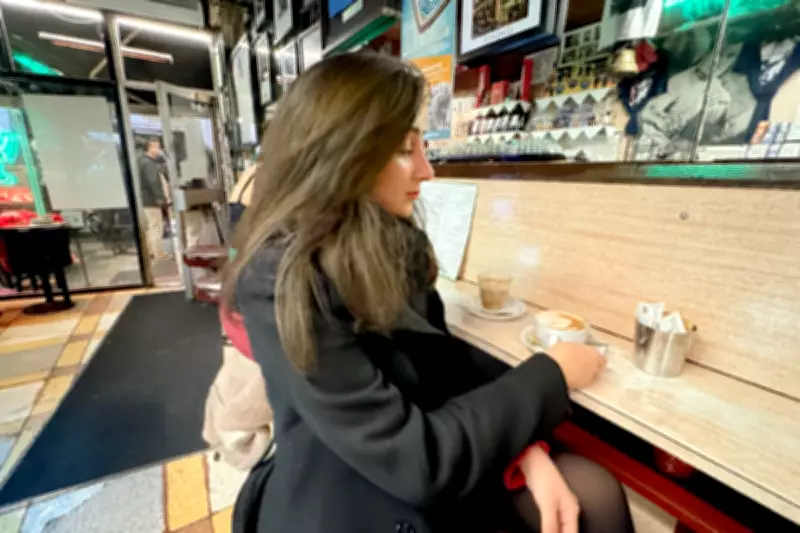
This concept is not entirely novel. At midnight, wandering through Frith Street, one can enter Bar Italia, an Italian cafe established in 1949 that remains one of Soho's rare venues open until 4 AM. It welcomes both drinkers and non-drinkers alike, with students lining the counter with laptops and groups engrossed in board games on sofas. A blue plaque outside commemorates the attic above as the birthplace of television, adding a historical layer to its late-night allure.
Scenes like this prompt larger questions about London's nocturnal functionality. Ramadan alone now generates £1.3 billion annually—a figure growing faster than the UK economy, with projections suggesting it could reach £2 billion by 2030. If the city can sustain this model for 30 days each year, why does it struggle to maintain it beyond that period?
Economic Contributions and Policy Initiatives
London's nighttime economy supports over a million jobs and contributes more than £139 billion to the economy, fostering community cohesion. A spokesperson for Sir Sadiq Khan, Mayor of London, emphasised, "Action is needed to ensure that it can be a thriving part of life in our city for many years to come." In response, the Mayor recently published a report from the newly established London Nightlife Taskforce, formed last year to address pressures on nighttime businesses and patrons.

The report, hailed as "the most up-to-date and comprehensive evidence base on London’s nightlife ever produced," outlines 23 recommendations. It highlights how nightlife has evolved to encompass diverse cultural, social, and community activities, with Ramadan serving as a prime example. The spokesperson added, "The activities that take place for Ramadan are a great example of the many ways our city comes to life at night."
In the weeks preceding Ramadan, the city begins to stir with events like the Ramadan Souk in Aldgate, featuring arts and crafts, cooking workshops, children's activities, and complimentary food and drinks. Meanwhile, venues like London Night Cafe in Aldgate operate as communal spaces—part cafe, part reading corner, part workspace—open until 3 AM on weekdays and Sundays, and through the night on Fridays for a small entry fee.
Licensing Hurdles and Future Prospects
Dr. Eric Wycoff Rogers, founder of London Night Cafe, explained, "A wholesome environment that stays open late definitely comes with its own set of challenges, particularly when it comes to licensing. The cost of acquiring a licence incentivises selling alcohol, as that's where the money is, but it also reflects a lack of imagination in what nightlife can be." The Nightlife Taskforce report indicates that "new powers" related to licensing decisions are expected later this year, potentially alleviating such barriers.
The Mayor's spokesperson confirmed, "[Sir Sadiq Khan] is committed to working with partners to do all he can to support life at night, and will be receiving new strategic licensing powers from the Government soon that will support the restaurant and hospitality industry." This aligns with Visit London's Tourism Vision for 2030, which aims to foster a stronger 24-hour economy through extended opening hours and improved access across neighbourhoods.
Rose Wangen-Jones, destination managing director at London & Partners (Visit London), stated, "The experience economy is one of the key sectors in the London Growth Plan, and Ramadan fits naturally within this ambition. During Ramadan, late-night dining options give visitors and Londoners alike more opportunities to take their time with iftar."
A Vision for Inclusive Nocturnal Socialising
Ramadan illuminates an alternative approach to enjoying nighttime. In a vast, culturally diverse city like London, extending trading hours from 12 to 18 hours isn't merely about staying open arbitrarily; it's about meeting people where they are—before work, after work, and during interstitial periods. This includes non-drinkers who still desire nocturnal social engagement. For businesses, these additional hours could drive economic growth, flexibility, and resilience. For urban areas, they maintain street activity during typically dormant periods.
At VQ in Bloomsbury, London's inaugural 24-hour diner launched in 1995, three distinct groups shared the space for varied reasons: students revising for exams, individuals recovering from a night out, and hijabi women refuelling before an early journey. All were drawn together by a common need: an open, warm, communal venue in the middle of the night. Ramadan's late-night chai culture exemplifies how London can reinvigorate its nighttime economy, embracing inclusivity and community beyond traditional drinking establishments.