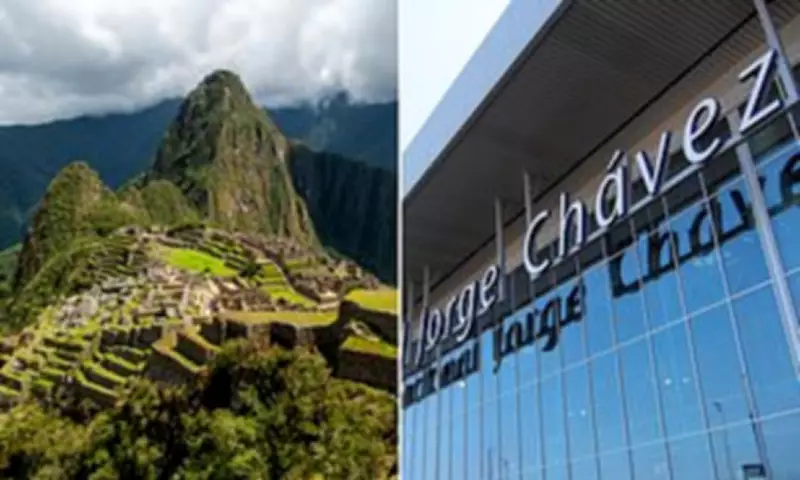
New Machu Picchu Airport Sparks Controversy Over Tourism and Heritage
A new international airport under construction in Chinchero, Peru, promises to dramatically reduce travel times to the ancient Incan citadel of Machu Picchu, but has ignited fierce debate over its potential environmental and cultural consequences. The airport, first announced over two decades ago and now slated to open in late 2027, could cut days off the current journey, yet many residents and archaeologists warn it may cause irreversible damage to this sacred World Heritage Site.
Streamlining Access to a Global Icon
Machu Picchu, Peru's most famous attraction drawing millions annually, is notoriously difficult to reach. Currently, most visitors fly into New Jorge Chávez International Airport in Lima, then take a domestic flight to Cusco. From there, travelers must board a train or bus to Aguas Calientes, followed by a 25-minute bus ride or hike up to the citadel, often requiring a day or two for altitude acclimatization.
The new Chinchero airport, situated approximately 3,800 meters above sea level in the gateway to the Sacred Valley, is designed to accommodate up to eight million travelers per year. It will allow tourists to bypass Lima or Cusco entirely, flying directly into the region. This is expected to increase visitor numbers by a staggering 200 percent, according to projections.

Economic Benefits and Construction Details
Peru's Ministry of Transport and Communications estimates the airport will cost $681 million (2.3 trillion Peruvian soles). The project has already created more than 5,000 construction jobs and is anticipated to generate one million tourism-related employment opportunities for locals. Proponents argue it will facilitate a significant boom for regional businesses, making Machu Picchu more accessible to international tourists.
Mounting Concerns Over Impact
Despite the potential economic upside, the airport faces substantial opposition. Lizbeth Lopez Becerra, a Machu Picchu guide based in Cusco, told the BBC that while she recognizes the tourism benefits, there has not been a proper analysis of the construction's impact on the area. Concerns highlighted include:
- Environmental strain: The region already faces water shortages, overrun waste management systems, and virtually non-existent recycling infrastructure.
- Cultural damage: Planes taking off and landing may pass low over the nearby Ollantaytambo archaeological park, risking structural harm to Inca ruins.
- Overcrowding: Becerra notes the area is at capacity, with the only road in and out of Cusco described as chaos.
Notably, a heritage impact assessment had not been completed as of last year, raising alarms about oversight. Machu Picchu has been a UNESCO World Heritage Site since 1983, but the organization has warned that poor management and rising visitor numbers could threaten this status.
Historical Context and Ongoing Protests
The project was initially announced by former president Ollanta Humala in 2012, following earlier proposals dating back 20 years. From the outset, critics have expressed worries about noise and air pollution, strain on limited water supplies, and the broader cultural and environmental impacts of increased foot traffic. Residents and archaeologists continue to protest, arguing that the airport's convenience for tourists comes at too high a cost to Peru's sacred heritage and fragile ecosystems.
As construction progresses toward a 2027 opening, the debate underscores the tension between boosting tourism revenue and preserving one of the world's most iconic historical sites for future generations.