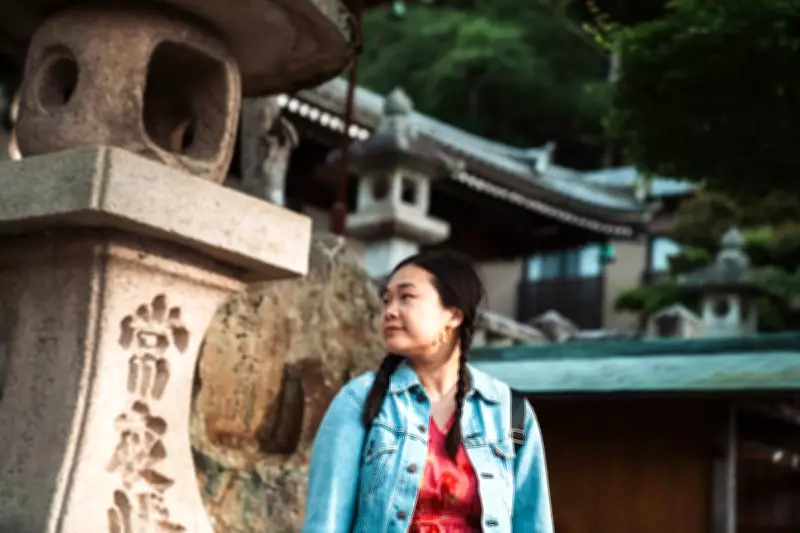
Kobe: Japan's Underrated Port City Offers Escape from Overtourism
Japan is grappling with a surge in overtourism, with international arrivals skyrocketing from 3.8 million in 2022 to a record 42.7 million in 2025. In iconic cities such as Osaka, Kyoto, and Tokyo, overcrowded attractions and fully booked hotels have become commonplace. However, there is a hidden gem that provides a peaceful retreat: Kobe.
Known primarily for its marbled beef, Kobe remains an enigma to many travellers. Despite being just 25 minutes from Osaka and 50 minutes from Kyoto by train, this sixth-largest city in Japan is remarkably under-appreciated, especially by Western tourists. According to the Kobe Tourism Bureau, there were only 945,000 foreign overnight visitors in 2024, a surprising figure given Kobe's historical role as Japan's gateway to the world.
Historical Significance and Hot Springs
Kobe was the first port city opened to foreign trade in 1868, attracting European and American merchants who established a thriving community. The city is also home to Arima Onsen, one of Japan's oldest and most accessible hot springs, which was the first to welcome foreign guests.

During a 10-day trip through Japan's Kanto and Kansai regions, after navigating crowded spots in Tokyo, Kyoto, and Osaka, I found solace at Tocen Goshoboh. This tranquil ryokan, built in the 12th century, sits at the entrance to Arima's old town and was once frequented by samurai and emperors due to its proximity to Kyoto.
The mineral-rich waters, known as kinsen or "golden spring" for their rusty hue, are fabled to have restorative powers. Legend tells of an emperor who, after bathing here, successfully produced an heir and named his son after the town. While I cannot attest to effects on virility, my travel-weary muscles were swiftly soothed by the warm, pressurised spring water laden with salt, calcium, and iron.
Geisha Culture and Culinary Delights
Arima boasts a fascinating geisha culture that predates Kyoto's. The town's geiko, a local term for the profession, originated with junior monks who tended to spa guests during Buddhist purification rituals. Over time, women took over this role, and today, you can still see Arima geikos performing in local cafes.
Leaving Arima's misty slopes, I ventured downtown to sample Kobe's most iconic offering: Kobe beef. At Kikusui, a family-run butcher turned teppanyaki restaurant from the 1960s, I learned about the exacting standards. The meat comes exclusively from Tajima cattle, raised in Hyogo Prefecture with indulgent treatments like beer, sake, and massages. To earn the Kobe name, the beef must achieve the highest marbling grade, A5.
Our chef seared each cube with precision on a sizzling iron plate used for two decades. Golden slivers of fried garlic added a subtle sweetness to the rich meat. The slow, buttery wave of umami as the beef dissolved on my tongue was unparalleled. Side dishes of earthy mushrooms, silky konjac jelly, and caramelised courgettes provided the perfect accompaniment.
Sake Production and Shopping Scene
After such a hearty feast, it was fitting to explore another beloved Japanese export: sake. Kobe is the centre of sake production, with Nadagogo, the city's "sake village," housing five historic breweries responsible for roughly a quarter of Japan's sake output. The craft relies on Yamadanishiki rice from Hyogo and Miyamizu spring water, which gives Nada sake its crisp finish.
Kiku-Masamune, founded in 1659, is a leading sake brand. At its Brewery Museum, I sampled limited-edition sake from the tap and purchased bottles for the road at reasonable prices, around £15 each, thanks to a weak yen.
Kobe's retail scene is equally satisfying, offering a calmer shopping experience compared to Tokyo or Osaka. Luxury boutiques, streetwear labels, and thrift stores abound. As a vintage lover, I spent an afternoon browsing second-hand shops near Sannomiya station, finding a mint-condition Sportsmax blazer for £30—a steal compared to prices in Tokyo or London.

Cultural Exploration and Day Trips
Beyond dining and shopping, Kobe is ideal for leisurely strolls. The hilly Kitano district, once home to foreign merchants, showcases multicultural architecture, including the German-built Weathercock House and Japan's oldest mosque from 1935. Ikuta Shrine, dating back to the third century, is one of Japan's oldest Shinto shrines and a popular spot for praying for good relationships.
For a day trip, Himeji, just 15 minutes away by Shinkansen, features Japan's largest and best-preserved feudal castle. After experiencing Japan's busiest tourist hubs, I found Kobe's quiet, easygoing atmosphere a lovely respite. With its unique culture, delicious food, accessible onsens, and fabulous shopping, this city may not remain a secret for long.
How to Visit: Return flights from London Heathrow to Osaka start from £479. The Shinkansen bullet train travels between Shin-Osaka and Shin-Kobe stations in under 15 minutes, costing from £7.50. For accommodation, unwind at Tocen Goshoboh in Arima or stay centrally at Kobe Meriken Park Oriental Hotel for panoramic city views.