
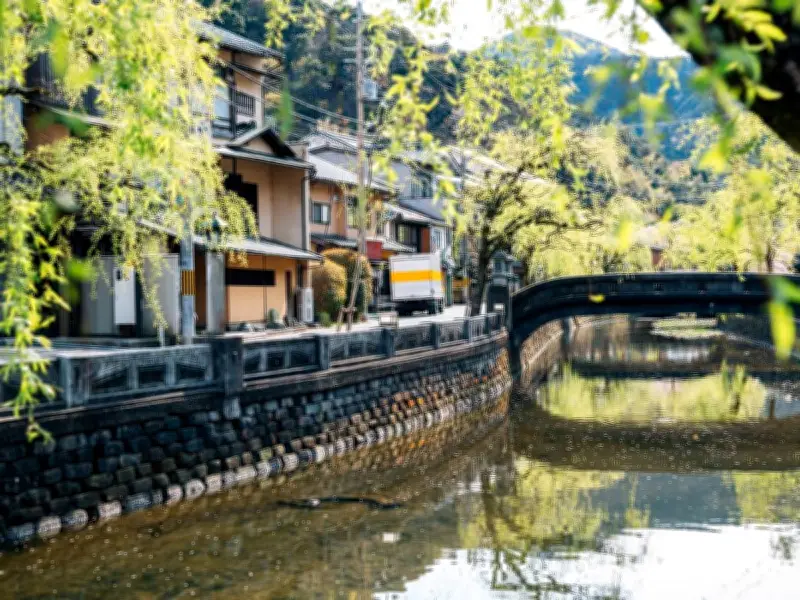
The Japanese government has announced a relocation scheme under which families could receive up to ¥3,000,000 (approximately £14,000) to move to the countryside. The initiative is designed to combat population decline in rural areas, as over 37% of Japan's population lives in the three major metropolitan zones of Tokyo, Osaka, and Nagoya.
Why is Japan Offering This Subsidy?
According to Akiya Japan, a statement from the Ministry of Internal Affairs projects that nearly half of Japan's 1,700+ municipalities could become 'functionally extinct' by 2040. The subsidy is described as 'the carrot' while 'the stick is demographic reality.' The programme aims to encourage people to relocate to less populated regions to revitalise local communities.
Eligibility Criteria for British and Other Foreign Nationals
The eligibility requirements are identical for both British and Japanese nationals. They depend on where an applicant has resided and been employed, rather than their citizenship. A foreign national who has lived and commuted in the Greater Tokyo Area for five or more years and holds an appropriate visa—such as a work visa, spouse visa, or permanent residency—qualifies on the same terms as a Japanese citizen.
TikTok user @quinn__jp shared details of the programme, stating: 'This isn't a joke. Japan is actually paying people to move to the countryside.' He explained that in many rural towns, individuals can receive up to 600,000 yen, with an additional 1 million yen per child, plus relocation grants for families. These funds can significantly reduce moving and settling costs.
Available Housing and Support Programmes
Across over 1,300 towns—around 80% of local districts—the Akiya Bank offers empty houses listed for zero yen or very low prices. While some free houses require extensive renovation, many municipalities provide subsidies and renovation support through programmes like Chiiki Okoshi and the Regional Vitalization Cooperator programme. Participants can be placed in local roles, such as running a guest house or working in agri-tech positions, with housing and visa guidance included.
Japan needs people urgently due to urban migration and population decline. Local governments are desperate to attract newcomers with homes, jobs, and cash incentives.
Challenges and Considerations
Despite the attractive offer, there are practical obstacles. Candidates must have proficiency in the Japanese language. Visa considerations can be complicated, and securing renovation loans or mortgages may be more difficult for those without permanent residency. However, the subsidies help mitigate these hurdles by lowering the amount requiring finance.
Public reaction has been mixed. One commenter said: 'I'd definitely move to Japan if I had some sort of online income (a safety net) like most influencers have.' Another expressed: 'I want to move there so bad but I'm scared and I don't have my passport.' A third commented: 'My dream is to get an old house in Japan and trust me it's not that easy. Currently looking for any place who'd hire me so I can move there on a work visa.'
The programme presents a unique opportunity for those willing to adapt to rural life and meet the language and visa requirements.




