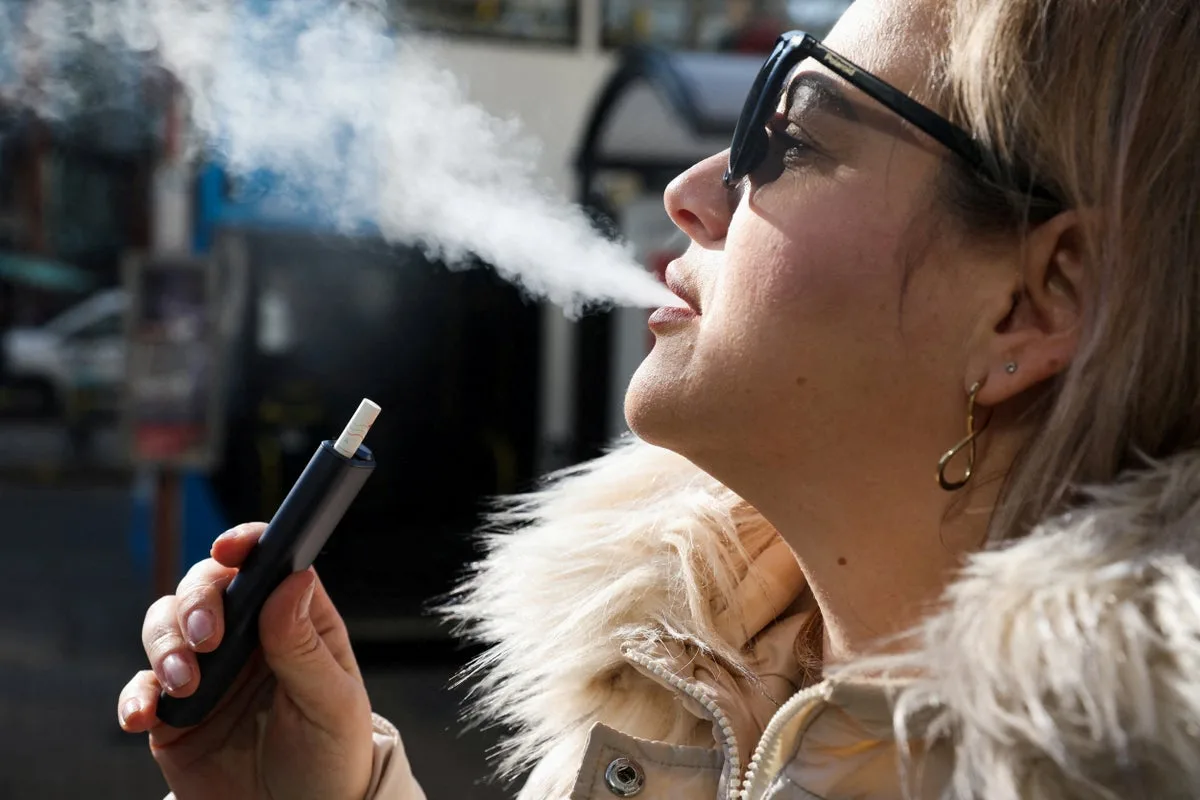
The World Health Organization (WHO) has called for a global ban on flavoured vapes, urging governments to treat e-cigarettes similarly to tobacco. According to a WHO report, 34 countries, including Brazil, India, Iran and Thailand, have already banned vapes, though enforcement remains challenging and black markets persist.
In Australia, nicotine-containing e-cigarettes require a prescription, and disposable vapes have been illegal to import since January 1. From March, all non-therapeutic vapes will be banned from import, with plans to outlaw domestic manufacturing of such products next year. China, the world's largest e-cigarette producer, banned flavoured vapes domestically in 2021 and introduced taxes on production and sales in 2022.
The European Commission sets EU-wide standards, including nicotine limits and labelling requirements. France bans vape sales to under-18s and use in certain public places, and has moved to ban disposable vapes entirely. Germany's upper house has called for an EU-wide disposable vape ban. In Japan, nicotine-containing e-cigarettes are classified as medicinal products, but none have been approved; minors cannot buy them.
Russia's government quashed a proposed e-cigarette ban in November, citing tax revenue loss and black market risks. In Thailand, vapes are effectively banned, though widely available illegally. The US allows vapes but requires FDA authorisation; only tobacco flavours have been approved, but enforcement is weak. The UK, which promotes vapes for smoking cessation, will ban disposable vapes from 2025 and introduce a vaping tax from October 2026.