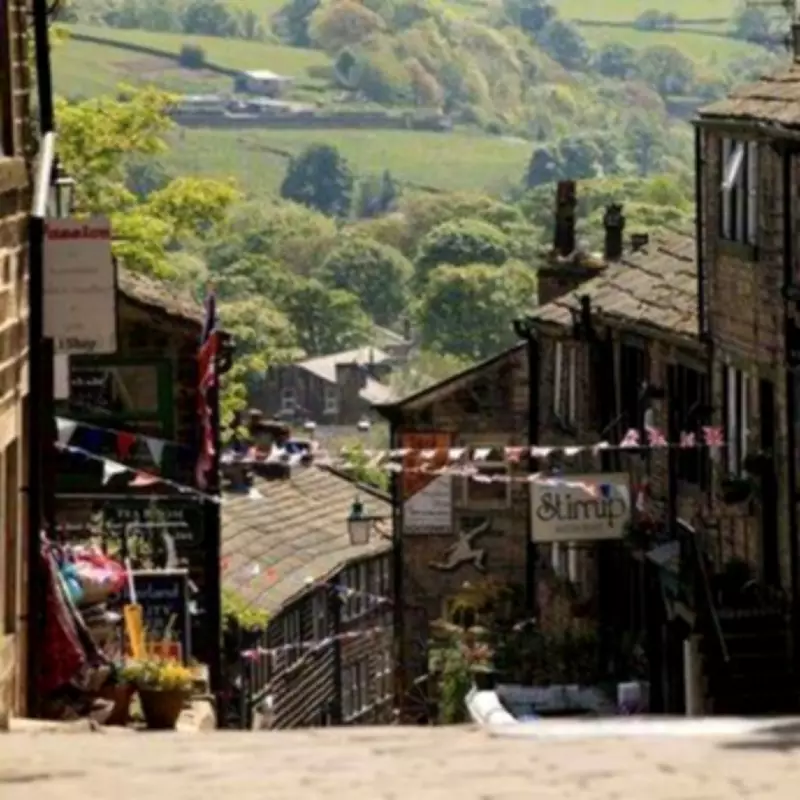
The Gothic Village Frozen in Literary Time
Nestled in the heart of West Yorkshire, the village of Haworth stands as a remarkable testament to Britain's rich literary heritage. This enchanting location, where Emily, Charlotte, and Anne Brontë penned their immortal novels including Wuthering Heights and Jane Eyre, retains an atmosphere that seems suspended in the nineteenth century. With the premiere of a new film adaptation of Wuthering Heights in UK cinemas, attention has turned once more to this mystical destination that continues to captivate visitors and literary enthusiasts alike.
A Living Museum of Brontë History
The Brontë Parsonage Museum serves as the focal point of Haworth's literary significance. This was the family home throughout the 1800s where the three sisters produced seven celebrated novels. The museum proudly houses the world's largest collection of Brontë artifacts, offering unparalleled insight into the lives of Yorkshire's most famous literary family. Just steps away, St Michael & All Angels Church cemetery contains the final resting places of Emily and Charlotte Brontë, with their youngest sister Anne also buried within the church grounds.
Cobbled Streets and Mystical Establishments
Haworth's main thoroughfare presents visitors with a captivating array of independent establishments that contribute to its unique character. The village boasts numerous shops with distinctly gothic and witchy atmospheres, including Spooks of Haworth, which has operated as a spiritual emporium since 1983, offering crystals, gifts, and tarot card readings. Another notable destination is The Cabinet of Curiosities, described by recent visitors as "a little piece of heaven" and "an adult sweet shop of smelly stuff and other treasures."

The monthly Haworth Artisan Market draws significant crowds despite operating just one Sunday each month, while food establishments range from traditional sweet shops to venues offering afternoon tea experiences. The overall effect creates what one visitor described as "a beautiful gothic village, well worth a visit" with a genuinely magical atmosphere.
Exploring the Wuthering Heights Landscape
The surrounding moorland provides the dramatic backdrop that inspired Emily Brontë's masterpiece. Several key locations allow visitors to immerse themselves in the Wuthering Heights experience:
- Haworth Moors: These windswept landscapes can be explored on foot or via the historic Keighley & Worth Valley Railway, which offers journeys aboard vintage steam locomotives complete with traditional afternoon tea service.
- Top Withens: This derelict farmhouse is widely believed to have inspired the setting for Wuthering Heights. A walking route from St Michael's Church leads through Penistone Hill Country Park to the Brontë waterfall and bridge.
- Swaledale and Arkengarthdale: These dramatic dales served as principal filming locations for the new adaptation, featuring limestone valleys, stone barns, and remote moorland that perfectly capture the novel's raw, atmospheric setting.
Accommodation and Regional Exploration
For those seeking extended stays, Holdsworth House provides a luxurious four-star option just twenty minutes from Haworth. This Jacobean manor built in 1633 offers what its website describes as "a calm, atmospheric base for visiting the Brontë Parsonage, Haworth itself and the wider landscape of Brontë country."
Travel company Byway has developed a comprehensive four-day Historic Towns in Yorkshire itinerary that incorporates rail travel through cities like York and Skipton with connections to the Yorkshire Dales and Brontë Country. Starting at £468 per person, this programme offers structured exploration of the landscapes that shaped one of literature's most enduring works.

A Destination for Literary Pilgrimage
Haworth represents more than just a picturesque village—it's a living connection to literary history that continues to inspire new generations of readers and filmmakers. With its cobbled streets, historic alleyways, independent shops, and breathtaking moorland scenery, this West Yorkshire destination offers visitors the rare opportunity to walk in the footsteps of literary giants while experiencing the very landscapes that gave birth to some of English literature's most powerful works.