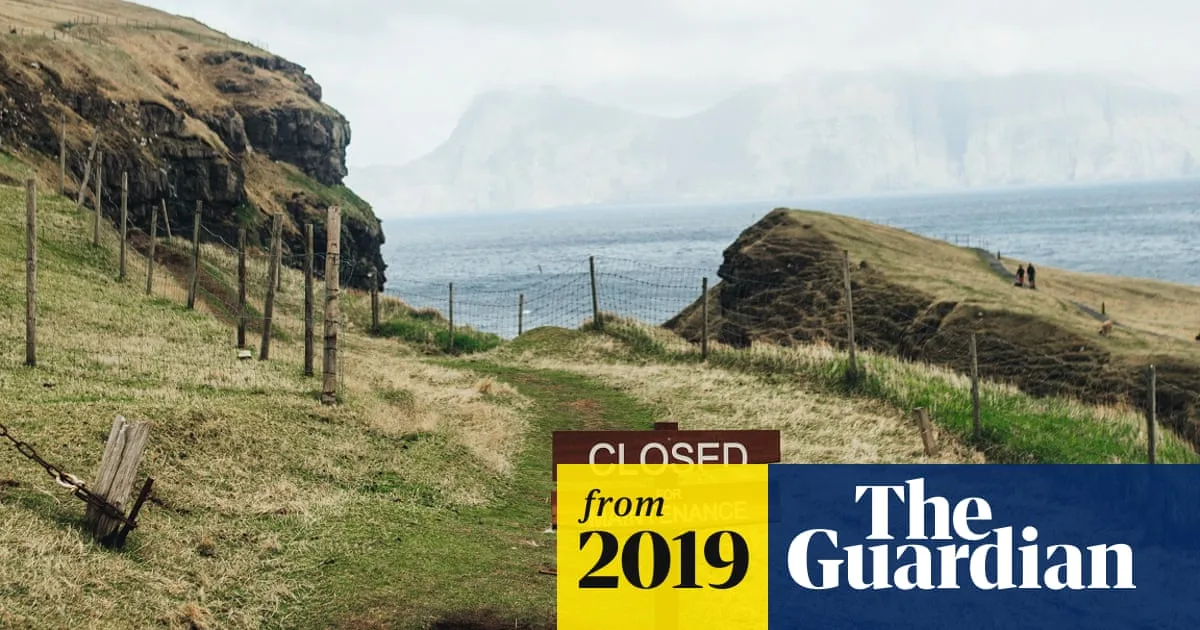
The road tunnel to Gásadalur was built 15 years ago, ending an era when residents of this tiny village on Vágar relied on intermittent boat access or a steep mountain track. Today, the path is being refurbished—not for locals, but for the growing number of tourists exploring the archipelago.
Last month, the Faroe Islands declared themselves 'closed for maintenance' for one weekend, inviting 105 voluntourists from 25 countries to help restore hiking trails. Volunteers, including a pharmacist from Glasgow and mathematicians from Washington DC, cleared loose stones and hammered wooden stakes to mark safe routes over mountains.
'We see this as a more sustainable version of tourism for a country with just 50,000 people,' said Jóhan Pauli Helgason, development manager for Visit Faroe Islands. The initiative aimed to improve the tourist experience while providing genuine cultural exchange between visitors and locals.
Increased foot traffic has caused erosion on fragile grass and thin northern soil, particularly at popular sites like the Mykines puffin colony and Trælanipa cliffs. With 300 days of rain a year, paths have become hazardously slippery. Minimising walkers' impact is a serious ecological issue, as vegetation at 62° north recovers slowly.
Currently, the islands see about 110,000 visitors annually, half from cruise ships. While footpaths connect most settlements, almost all mountain pasture is private property, and there is no clear consensus on managing the planned increase in visitors.