Rising fuel costs and new EU border checks have left many UK holidaymakers stressing over their breaks this year. The fear of jet fuel shortages due to the Iran war, combined with reports of huge delays at passport control caused by the new Entry/Exit System (EES), has added an extra layer of worry to travelling.
EES became fully operational across Schengen zone borders as of April 10, which means UK travellers will now need to supply additional data such as fingerprints and a photograph to create a digital record when visiting destinations in this area, such as Portugal, Spain and Greece.
With that in mind, instead of looking forward to a relaxing week in the Algarve ahead of my getaway, I was constantly googling Faro Airport waiting times and refreshing various Facebook and Reddit pages for updates.
Flying Out: Liverpool to Faro
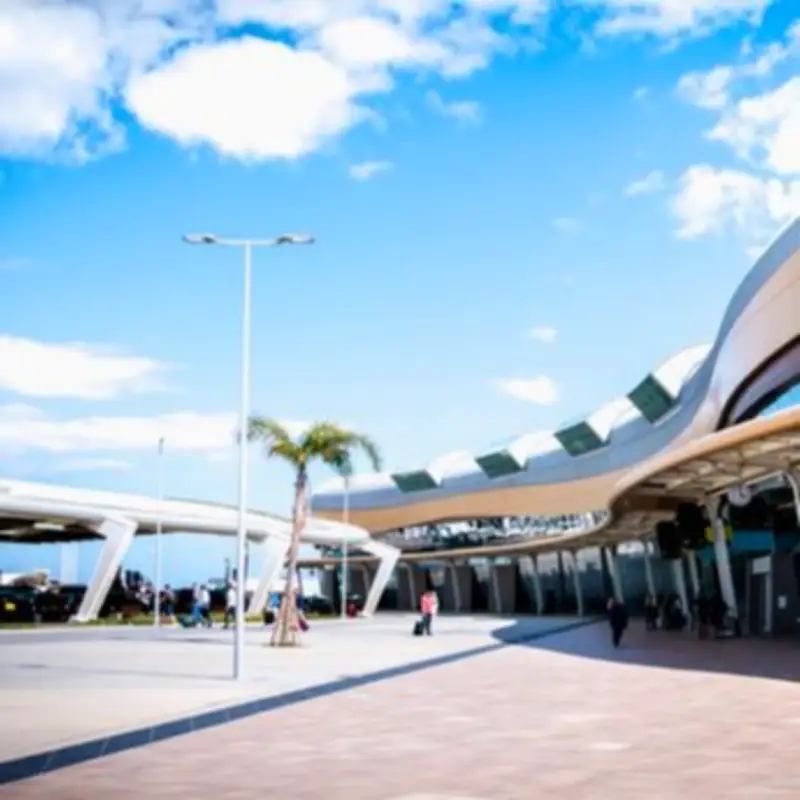
Flying out of Liverpool on the first day of the spring half-term (Saturday, May 23), it was the first real test of how EU airports would be able to handle peak air travel from the UK ahead of the summer holiday season. I landed at Faro at 3pm, along with a steady stream of other planes arriving with full passenger loads from across Europe, who all needed to get through the border.
However, after going down the escalator into passport control, I was pleasantly surprised by a sparse queue at the non-EU side. While I was ushered into the priority queue, as I was travelling with a little one, the kiosks for the new EES checks seemed to be working with travellers filtering through quickly. If anything, it moved more quickly than the priority queue, and in total it took us around 25 minutes to make our way through.
Return Journey: Faro to Liverpool
After seven days in the sunshine, and missing out on the UK heatwave, it was time to head back and test out passport control coming back. With our Jet2 flight leaving at 10.15am, and bag drop only opening two and a half hours before, we arrived at the airport at 7.45am to give ourselves maximum time to get through after stories of hour-long queues at both check-in and passport control.
I was relieved to see the Jet2 desks well-staffed with queues of passengers moving through and dropping off their bags quite easily. In all, this part of the process took around 10 minutes; however, I did notice large queues forming at some of the other airline check-in desks.
The next stage was security, another notorious pinch point in airports, but again the process seemed extremely smooth - and no different to when I have flown through it previously. In total we were queued and through within five minutes.
Finally, it was time to head back through passport control, where, again, we were greeted with small queues rather than people snaking through corridors as I had expected. While we were again ushered through to priority - this actually seemed to have a bigger queue than the general line, as the EES kiosks appeared to be working with passengers getting through quickly. All in all it took around 10 minutes to get through passport control - meaning we were in the departures gate a little over half an hour after arriving at the airport.
It may have been that we got very lucky, arriving and leaving at just the right time to beat the queues - especially as family members flying later that day said they had been met with 40-minute delays at both check-in and passport control. Either way, I was shocked and pleasantly surprised that the queues and delays, so far, at Faro at least, were not as bad as had been feared.
How the EES System Works
What data will I supply for my 'digital record'?
The EES requires UK travellers to register their biometric information when entering the Schengen area. This means holidaymakers will now have to have their fingerprints scanned and their photograph taken when arriving in a country operating EES. UK travellers will also need to answer questions about their visit, such as whether they have somewhere to stay, enough money for their trip and a return ticket. Passengers may also be required to provide either their fingerprint or photo when exiting the Schengen area.
When will I be asked to create a 'digital record'?
Holidaymakers will be asked to create their 'digital record' when arriving at an airport or port in the Schengen area. For most UK travellers the EES process will be done at foreign airports. As part of the EES, travellers may be asked to submit their fingerprints and have their photo taken in dedicated booths. No information needs to be supplied before travelling to a Schengen area country, and all details will be taken on arrival.
Who does EES apply to?
The EES will apply to anyone visiting or leaving one of the 29 countries in Europe’s Schengen area. This is mostly the EU plus Iceland, Liechtenstein, Norway and Switzerland. All travellers must supply their biometric data, including having both their photograph and fingerprint taken. Children must also register, however under-12s will be exempt from fingerprinting.
Will there be disruption?
EES was first introduced in October last year, with its roll out ramped up on April 10. EU rules currently allow the checks to be temporarily halted to avoid queues at peak periods. The Home Office has said EES may take "slightly longer" than previous systems, and has advised travellers to "be prepared to wait during busy times". EES registrations last for three years and any subsequent border crossing within that period will require an individual’s fingerprints and photograph to be verified. However this process is expected to be quicker than initial registration.
If you miss your flight due to EES queues, who is responsible, and can you claim?
According to advice on the UK Civil Aviation Authority (CAA) website, if you miss a flight due to a long queue at security, even though you arrived at the airport on time, it is unlikely that an airline would pay compensation or consider itself obliged to offer you a free alternative flight. It does note that some airlines are helping their passengers find alternative flights voluntarily though. It also recommends contacting your travel agent or airline to help book you onto an alternative flight, but you may need to pay extra to do this.
A spokesperson for the Association of British Insurers (ABI) also said: "Longer wait times are expected as the Entry/Exit System (EES) comes into effect and we'd encourage customers to plan in advance and be prepared for possible delays. Travel insurance is unlikely to cover losses from delays caused by EES queues so if you miss your flight, or other parts of your trip, it’s best to speak to your airline, accommodation provider or tour operator in the first instance."
Government advice for EES
The government website details the new requirements and adds that on your first visit to the Schengen area, you may be asked to create a digital record at the port or airport on arrival. You may be asked to submit your fingerprints and have your photo taken at dedicated booths. You don’t need to provide any information before travelling to a Schengen area country. You may also be asked to provide either your fingerprint or photo when you exit the Schengen area.