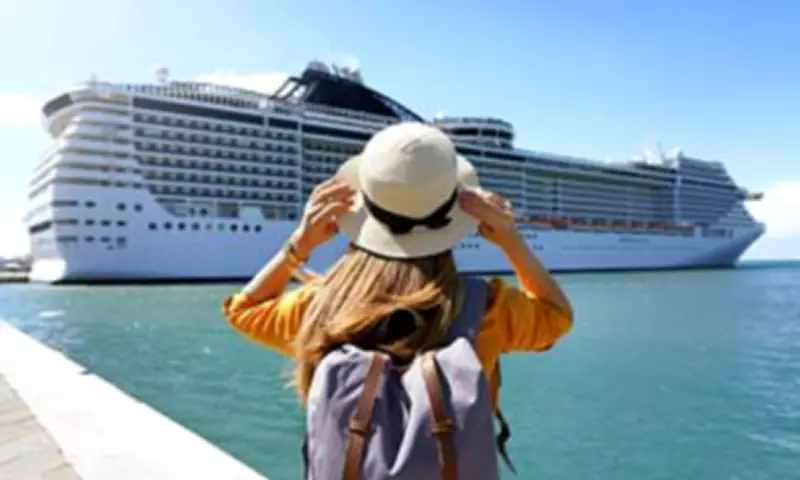
Exploring picturesque streets, sampling local cuisine at bars and cafes, and immersing yourself in the unique character of a cruise port can be an enchanting experience. However, for many passengers, this enjoyment is overshadowed by a significant worry: the fear of missing their ship's departure. According to recent data, a staggering 55 percent of people cite this as their primary concern when cruising.
The Rising Phenomenon of Pier Runners
This anxiety is reflected in online behaviour, with Google searches for the term 'pier runners'—a nickname for those who sprint back to their vessel at the last minute—surging by 56 percent in just the last three months. The sight of frantic passengers racing to board as the gangway is raised has become a common, if stressful, spectacle in many ports worldwide.
Proactive Strategies to Stay on Schedule
Fortunately, there are numerous practical strategies that cruisers can employ to minimise the risk of being left behind. Chrissy Valdez, senior director of operations at Squaremouth, emphasises that one of the most effective measures is to book ship-sponsored excursions. "The liner will always wait for these organised trips if they run late," she explains. While independent tours may be cheaper, they carry a higher risk of delays that could jeopardise your timely return.

Another crucial tip is to ensure your watch is synchronised with the ship's time zone. Many vessels maintain a specific time zone as they traverse different regions, meaning clocks do not automatically adjust based on your location. Setting alarms to remind yourself when to head back can also provide a valuable buffer, allowing ample time to navigate through the port.
Emergency Preparedness for Worst-Case Scenarios
Despite best efforts, situations can arise where you find yourself running behind schedule. In such cases, it may be worthwhile to contact the ship directly, as the captain might decide to wait under certain circumstances. Before disembarking, always save the ship's phone number and the port agent's contact details to your device.
For flights linked to your cruise, purchasing them through the cruise company offers added security. If issues arise that prevent you from reaching the departure point on time, most liners can adjust flight arrangements to help you catch up. Should that prove impossible, the cruise line might facilitate joining the vessel at the next port. Alternatively, consider arriving at your departure city a couple of days early and staying in accommodation near the port to reduce last-minute travel stress.
The Critical Role of Insurance and Documentation
In the unfortunate event that you do miss the ship while exploring, being prepared is paramount. Carry 'safety cash', a functioning credit card, and identification at all times. Chrissy Valdez strongly advises investing in comprehensive cruise insurance. "Cruises are tricky because they typically operate in multiple jurisdictions, countries, and waters, which makes each passenger scenario uniquely challenging," she notes.
She cautions against assuming you can simply catch up at the next port, as local cabotage laws may prohibit the vessel from picking you up. "Cruise insurance is a great added protection that can take over if you find yourself stranded after missing the ship, as long as it's due to a reason covered by the policy," Valdez adds. She recommends seeking policies that include missed connection coverage specific to cruises and tours, travel delay protection, and robust trip interruption coverage to safeguard against unforeseen disruptions.
By combining careful planning, time management, and adequate insurance, passengers can mitigate the risks and enjoy their port adventures with greater peace of mind, turning potential nightmares into seamless travel experiences.