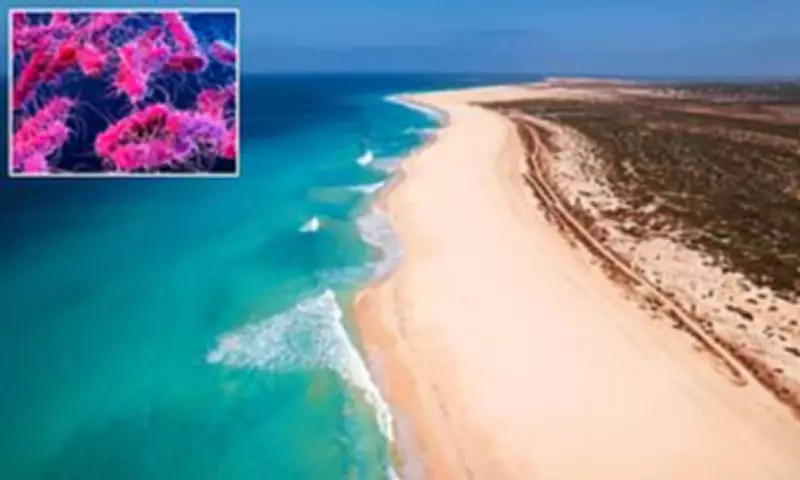
The UK Health Security Agency has issued a stark travel warning for Cape Verde after more than 1,500 British holidaymakers fell ill with serious gastrointestinal infections and six tragically lost their lives. The popular winter sun destination, which attracts nearly 127,000 British tourists annually, has been linked to significant outbreaks of shigella and salmonella bacteria.
Urgent Health Alert for Paradise Island
UKHSA investigators have identified concerning clusters of infections directly linked to travel to the African archipelago. Since October 1st, their investigation has revealed that 112 out of 118 reported shigella cases connected to international travel involved individuals who had visited Cape Verde, with the majority concentrated in the Santa Maria and Boa Vista areas.
Understanding the Bacterial Threats
Shigella is a dangerous bacteria transmitted through contact with faecal matter via contaminated food, water, sexual contact, or soiled nappies. The infection causes severe symptoms including bloody and watery diarrhoea, vomiting, fever, and debilitating stomach pain that can persist for weeks. While many recover without medical intervention, severe cases require antibiotic treatment and can prove fatal.

Salmonella presents similar risks, with 43 cases across three separate clusters identified through whole genome sequencing techniques since October. This bacteria naturally resides in animal and human intestines and spreads through faecal contamination. Infection typically occurs through contaminated water or improper food handling, particularly when raw and cooked foods are stored together.
Updated Travel Guidance
The UKHSA has revised its official travel advice on the Travel Health Pro website, urging extreme caution for those planning February sun holidays or half-term breaks to Cape Verde. Key recommendations include:
- Choosing only freshly prepared, thoroughly cooked food served piping hot
- Drinking exclusively bottled or boiled water, including for tooth brushing
- Avoiding ice in beverages in areas with questionable water supplies
- Peeling fruit personally and avoiding salads potentially washed in unsafe water
Tragic Human Cost
The outbreaks have claimed six British lives since 2023, with four fatalities occurring within just four months last year. The victims include Elena Walsh, 64, from Birmingham; Mark Ashley, 55, of Bedfordshire; Karen Pooley, 64, from Gloucestershire; and a 56-year-old man whose identity remains undisclosed.
Jane Pressley, 62, of Gainsborough, died in January 2023 after falling ill during a November 2022 stay at the Riu Palace Hotel in Santa Maria. Another man in his 60s from Watford passed away in November 2024 following gastric illness contracted during his Cape Verde trip.
Expert Medical Advice
Dr Gauri Godbole, deputy director for gastrointestinal infections and food safety at UKHSA, emphasised preventive measures: "Taking a few simple precautions against traveller's diarrhoea and food poisoning can make all the difference. The best way to avoid gastrointestinal infections is simply by washing your hands regularly and thoroughly with soap and water or alcohol gel."
She particularly highlighted the importance of hydration during illness, especially for vulnerable groups including young children, pregnant women, elderly individuals, and those with pre-existing medical conditions.
Investigation Findings
A recent UKHSA study identified multiple risk factors contributing to infection transmission, including local swimming pools, questionable water sources, inadequate sanitary conditions, hotel buffet contamination, and excursion-related exposures. These environments can facilitate the spread of not only shigella and salmonella but also other pathogens like giardia and cryptosporidium.
Emma Ashley, whose husband Mark died after their holiday, described their family's devastation: "We went to Cape Verde expecting a relaxing break, but Mark became violently ill and never recovered." The couple had stayed at the five-star Riu Palace Santa Maria resort, where Mrs Ashley has raised serious concerns about hygiene standards.

Karen Pooley's husband Andy expressed similar heartbreak: "We're devastated and struggling to understand how she went on holiday and never came home." Official Cape Verdean authorities attributed her death to multi-organ failure, sepsis, cardio-respiratory arrest, and complications from a broken leg sustained during her illness.
The law firm Irwin Mitchell is handling several of these tragic cases as affected families seek answers about the outbreaks that have transformed dream holidays into nightmares.