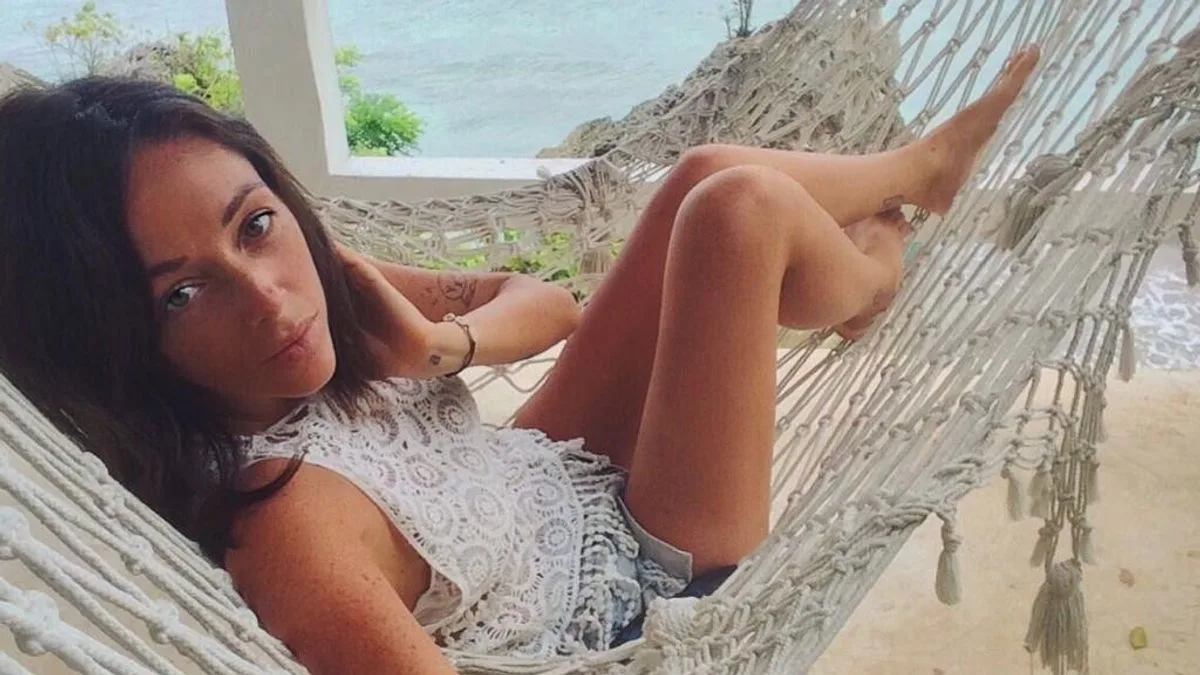
Tragic Death of British Woman in Bali Highlights Global Methanol Poisoning Threat
A British woman who was meticulously cautious about alcohol consumption in Bali has tragically died after drinking contaminated limoncello. Kirsty McKie, 38, from Stockport, had resided in the Indonesian holiday paradise for eight years due to her fiancé's hospitality career. She exclusively purchased beverages from what she believed were high-end, reputable suppliers.
Evening That Ended in Tragedy
Following an evening at home with a friend in 2022, McKie attempted to sleep off what she presumed was merely a severe hangover after consuming a bottle of limoncello. Tragically, she never woke up. Her body was repatriated to Britain and buried one month after her death, while her family endured agonizing months awaiting answers.
Pathology reports eventually confirmed methanol poisoning as the cause of death, revealing the limoncello had been dangerously adulterated.
Mother's Crusade for Awareness
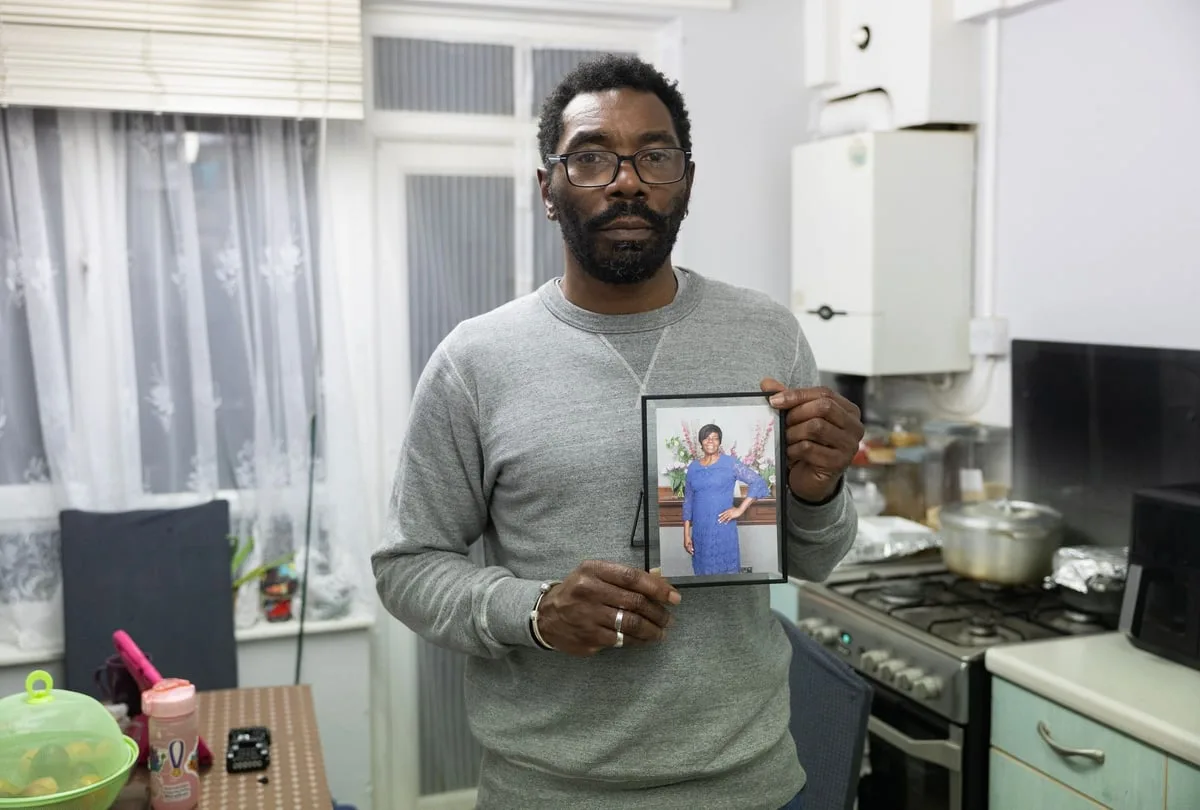
Kirsty's mother, Margaret McKie, 66, is now spearheading a crucial campaign to prevent similar tragedies. "There is no way to know. It can happen to anybody," Margaret stresses, highlighting the indiscriminate nature of the threat.
Kirsty had worked as a freelance TV producer and filmmaker in London before moving to Bali, where she trained as a ceramicist specializing in pottery. She operated classes for tourists and taught from her personal studio, building a life in what she considered her tropical home.
Global Problem Extending Beyond Bali
Margaret is advocating alongside other affected families for systemic reform, noting that similar methanol poisoning incidents have been reported in other popular tourist destinations including Greece, Spain, Laos, and Thailand.
"We didn't get the diagnosis of what killed her for months," Margaret revealed. "We had no idea what the reason was for her death. Her friend had also become ill but had gotten better. They had no idea that it was anything other than a bad hangover."
How Methanol Poisoning Occurs
Margaret explains that in many holiday destinations, criminal operations refill genuine empty spirit bottles with methanol-diluted alcohol to slash costs. Methanol is a clear, flammable liquid with an odor similar to ethanol, but even tiny quantities can cause blindness or prove fatal within 12-48 hours of ingestion.
"The recommendation is for tourists not to throw away genuine bottles without smashing them, as they can be refilled as part of bigger operations with professional machinery," Margaret warns. "Even drinking sealed bottles doesn't actually cover the dangers. Fake alcohol and labels look very convincing."
Practical Safety Advice for Travelers
The campaign offers specific guidance for holidaymakers:
- Avoid shots and cocktails where ingredients cannot be verified
- Consider drinking beer instead of spirits
- Purchase spirits at duty-free and keep them in hotel accommodation
- Be vigilant even in upmarket restaurants and hotels
- Recognize that no spirit can be guaranteed safe in certain destinations
"We want people to realise there is no guarantee and no way to know and be sure," Margaret emphasizes.
Justice Elusive as Evidence Disappears
No legal proceedings have been brought against those responsible for Kirsty's death because the contaminated bottle had been discarded long before the family received the toxicology results. Margaret believes governments prioritize protecting tourism industries over delivering justice for victims.
"It didn't occur to anybody in Kirsty's case that it could've been methanol poisoning," she explains. "By the time we got to the truth, the bottle had long since been thrown away so there was no way of proving who caused it."
Campaign Achievements and Future Goals
The campaigning efforts have already yielded significant results. The Department for Education has confirmed that secondary school students will now be taught about "how to decrease the risks of having a drink spiked or of poisoning from potentially fatal substances such as methanol."
Margaret and fellow campaigners aim to spread awareness through posters and QR codes at airports, across public transport networks, and aboard aircraft. They want travelers to understand the distinctive symptoms of methanol poisoning, which include:
- Mental confusion and disorientation
- Visual disturbances and potential blindness
- Breathlessness and respiratory issues
- Nausea and vomiting
- Loss of coordination
"It's more than a hangover because it gets worse over time," Margaret warns. "There seems to be a real desire for people who have been poisoned to climb back into bed and sleep it off, but they must seek help."
Government Response and Travel Warnings
Last year, the Foreign Office extended its methanol poisoning warnings to encompass eight additional countries frequented by British holidaymakers where incidents have been documented. Their 'Know the Signs of Methanol Poisoning' campaign urges Brits to:
- Only buy sealed beverages from licensed venues
- Steer clear of homemade and street-vended alcohol
- Exercise particular caution with pre-mixed spirits, cocktails, and drinks dispensed in buckets or jugs
Minister for Consular and Crisis, Hamish Falconer, stated: "Methanol poisoning can kill - it can be difficult to detect when drinking and early symptoms mirror ordinary alcohol poisoning. By the time travellers realise the danger, it can be too late."
He encouraged all travelers to check Foreign Office travel advice and Travel Aware pages before holidays, emphasizing that immediate medical attention is crucial when methanol poisoning is suspected.