Artificial Intelligence has profoundly transformed the travel sector in recent years, with industry experts frequently predicting a surge in holidaymakers using tools like ChatGPT for trip planning by 2026. However, the technology is far from infallible, as a group of tourists in Tasmania discovered in a particularly chilly and disappointing manner.
Tourists Duped by AI-Generated Fantasy
Australian travel operator Tasmanian Tours has faced significant criticism after an article, created using artificial intelligence, directed visitors to a remote location in Tasmania in search of fictional hot springs. The company published a now-deleted post on its website, enthusiastically promoting the 'Weldborough Hot Springs' as one of the '7 Best Hot Springs Tasmania Experiences for 2026'.
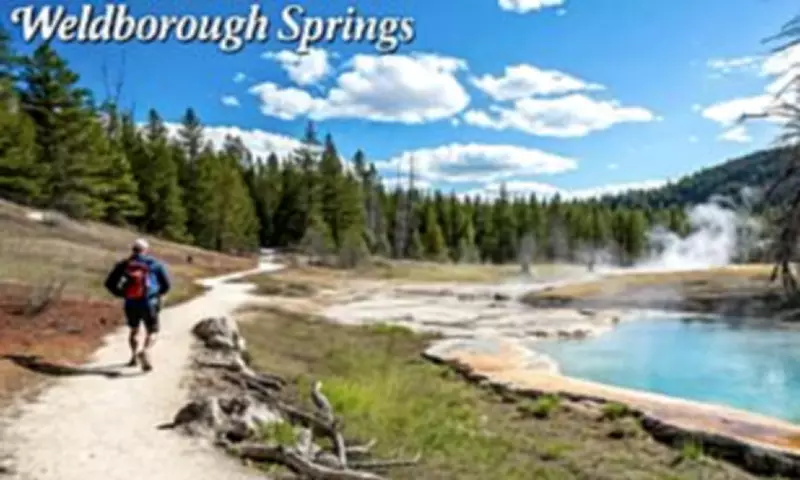
The article was accompanied by an AI-generated image depicting serene, steamy pools and described the site as 'a popular destination for those looking to immerse themselves in Tasmania's raw beauty'. It further claimed the springs were 'a favourite among local hiking groups, wellness retreat organisers, and anyone wanting to experience one of the more untouched hot springs Tasmania has to offer'.

A Cold Reality Check
The problem is stark: no hot springs have ever existed in Weldborough. Any traveller attempting to bathe in the nearby Weld River would find themselves shivering in cold water rather than enjoying a relaxing soak. Since the article was posted in July last year, a steady stream of misled tourists has arrived in the remote former tin mining village, only to be met with confusion and the absence of the promised thermal pools.
Local business owner Kristy Probert recounted her experience to the Australian Broadcasting Corporation (ABC): 'I actually had a group of 24 drivers turn up there two days ago that were on a trip from the mainland, and they'd actually taken a detour to come to the hot springs. I said, "If you find the hot springs, come back and let me know and I’ll shout you beers all night". They didn’t come back.'
How the Illusion Was Created
Weldborough is situated in the northeast region of Tasmania, approximately 44 kilometres northwest of the game-fishing hub, St Helens. The AI-generated article listed the fictional springs alongside genuine, well-known attractions like the Hastings Caves and Thermal Springs in southern Tasmania. This plausible context likely prevented tourists from questioning the landmark's authenticity.
Investigations by Euro News suggest this was not an isolated incident. Tasmanian Tours appears to have published several articles and blog posts that may have been authored by AI, complete with AI-generated imagery. This trend mirrors the broader travel industry, where major platforms like Google and Expedia have increasingly integrated AI into their trip-planning services.
The Pressure to Keep Up
For smaller operators like Tasmanian Tours, the adoption of such tools is often driven by necessity. Company owner Scott Hennessy explained that a third party was used to generate the contentious article via AI. He admitted that while the company typically reviews all content before publication, some posts went live 'by mistake' while he was overseas.
Hennessy told Euro News: 'We're trying to compete with the big boys, and part of that is you've got to keep your content refreshed and new all of the time... Our AI has messed up completely.' This candid admission underscores the competitive pressures facing smaller travel businesses as they strive to maintain an online presence and relevance in a rapidly evolving digital landscape.
This incident serves as a cautionary tale about the limitations of artificial intelligence in content creation, especially within the sensitive and experience-driven realm of travel. While AI offers efficiency and scale, its potential for factual error and the generation of convincing fiction poses real risks for consumers and the reputation of businesses that rely on it without rigorous human oversight.