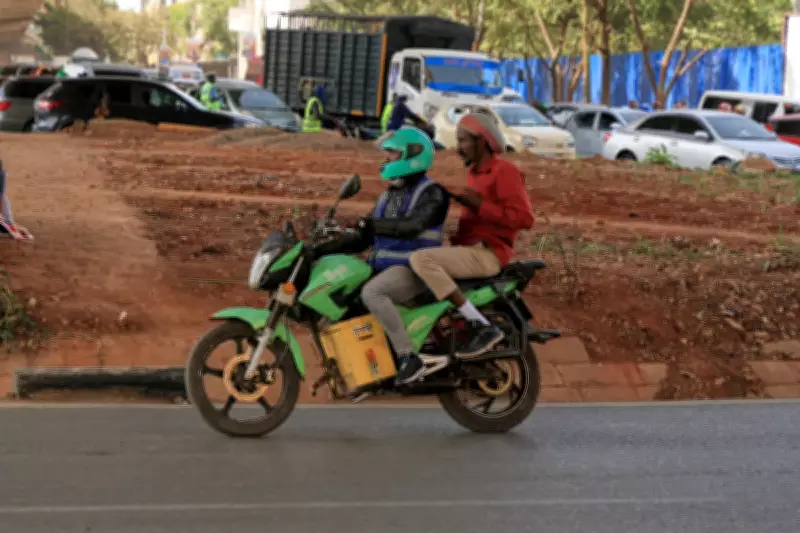
Kenyan E-Bike Riders Demand Interoperable Battery Networks
Electric motorcycle riders across Kenya are intensifying their calls for more flexible and standardized battery-swap networks, highlighting a critical barrier to the growth of e-mobility in Africa. Popular podcaster Francis Kibe Njeri has used his social media platforms to amplify widespread complaints about proprietary systems that lock riders into single brands and enable remote disabling of bikes.
Proprietary Systems Strand Riders
Njeri and hundreds of other riders argue that current vertically integrated ecosystems, where batteries and charging infrastructure are designed to work exclusively within one company's network, severely limit flexibility. "It is not fair that we purchase the bikes, but the battery remains the property of the manufacturer, and we can only use their stations and not charge them at home," Njeri stated. This issue came to a head in November when riders in Nairobi and Mombasa took to the streets, demanding more swap stations and open access across networks.
Oscar Okite, a Nairobi-based rider, reported losing up to 500 Kenyan shillings ($4.50) per day when unable to find a swap point. "We need battery networks that work everywhere, not just in the city," he emphasized, noting that scarce infrastructure outside urban centers curtails earning potential despite lower operating costs compared to gas-powered bikes.

Fragmented Market Hinders Growth
Africa's e-mobility sector is expanding rapidly, with East Africa leading at over 89 active companies and $207 million in investments as of September. Companies like Spiro, Ampersand, ARC Ride, and Roam are deploying thousands of electric motorcycles, with Spiro alone operating over 1,200 swap stations and 60,000 bikes. However, the reliance on battery-swap networks—while effective in Asia and Europe—faces challenges due to lack of interoperability.
Eric Tsui, commercial manager at Watu Africa, identified this fragmentation as a major bottleneck. "The lack of interoperability across charging and battery-swapping stations remains one of the biggest obstacles to scaling the sector," he said. "We need interoperability so that batteries can be charged or swapped at any station, regardless of the operator."
Businesses Cite Safety and Investment Hurdles
Companies acknowledge the need for network sharing but point to high investment costs and safety concerns. Building a swap network involves significant expenditure on land, security, software, and maintenance, with millions required before returns are realized. Standardizing battery sizes, safety protocols, and payments also demands complex negotiations.
Spiro CEO Kaushik Burman expressed openness to collaboration if done safely, referencing standards from Singapore and India. "Before we allow them in, we will integrate, test and certify," he said. "However, openly allowing any battery to enter any swap station without integration is a recipe for disaster which we cannot accept."
Signs of Change Emerging
In a positive development, Ampersand announced plans in January to extend its battery-swap network to other electric motorcycle makers, creating Africa's first open-platform system. CEO Josh Whale described this as an electric battery "fuel station" where compatible bikes meeting quality standards can plug in. This initiative allows companies like Wylex Mobility to access Ampersand's network in Kenya and Rwanda, potentially expanding rider access.
Riders like Kevin Macharia welcome such changes, having experienced business losses due to limited swap options. "It's hurting my business when I can't swap on time," he said, often declining rides when low on charge. "We went electric to earn more, not stand by the roadside." As the e-mobility market evolves, the push for interoperable networks remains crucial for sustainable growth and rider livelihoods in Kenya and beyond.