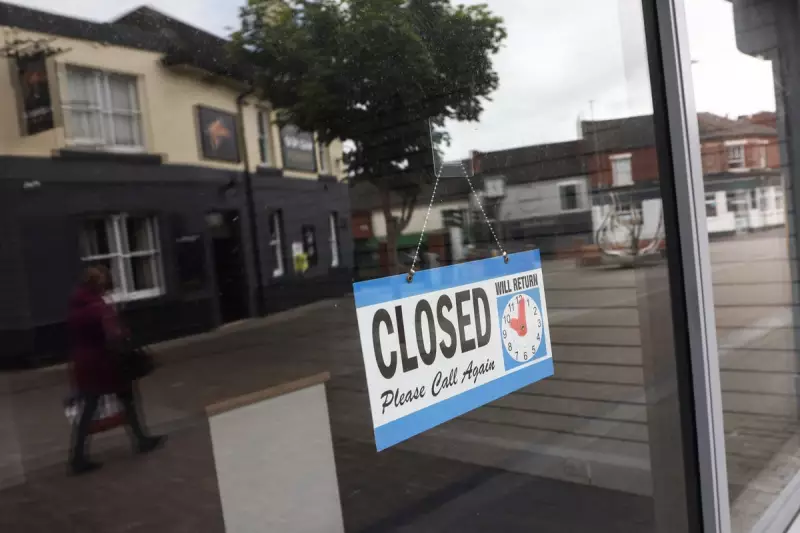
A wave of historic and cherished restaurants across the United States is being swept away, with owners citing unsustainable operating costs as the primary cause. From Miami to Dallas, family-run establishments that have served communities for decades are shutting their doors for the final time.
The Perfect Storm of Rising Expenses
Data from the National Restaurant Association paints a stark picture of the financial pressures. Over the last five years, food and labour costs for the average restaurant have each surged by 35 percent. This is compounded by relentless increases in rent, supplies, and credit card processing fees, squeezing profit margins to breaking point.
Dr. Chad Moutray, chief economist at the National Restaurant Association, confirmed the trend. "We know that food costs are up 38 percent since the pandemic. That's the national average. Labour costs are up 35 percent, and we have also seen pretty significant increases in insurance, and taxes and everything else," he told The Independent.

This cost spiral has drastically reduced profitability. The median profit margin for full-service restaurants fell to just 2.8 percent in 2024, down from 4 percent in 2019.
Case Studies in Closure: From Miami to New Jersey
The human impact of these statistics is felt in neighbourhoods nationwide. In Miami, the 45-year-old lunch spot Las Palmas closed permanently on Friday, 14 November. Owner Mario Magalhaes described a devastating combination of factors: a 30 percent loss of clientele post-pandemic due to remote work, followed by crippling ingredient inflation.
"Maybe three months ago, I saw eggs spike. The box of 15 dozen eggs used to be $20. It spiked about three months ago to $132," Magalhaes explained. His commitment to remaining an affordable, unpretentious 33-seat diner meant he couldn't pass such increases onto customers. "I can't have a 1,000 percent increase in prices," he said.
Similar stories echo across the country. Osteria 545 in Paulsboro, New Jersey, closed on 17 November after five years. Its owners cited a sharp decline in diners alongside unsustainable rises in food, liquor, and electricity costs. In Murfreesboro, Tennessee, the 124-year-old City Cafe announced its closure, with owners Teresa and Rollin Kellog stating, "this economy has literally broke us."
Rent Hikes and Changing Neighbourhoods
For some, exorbitant rent increases were the final blow. In Dallas, Texas, The Meddlesome Moth, a popular mainstay for 15 years, shut down in May after a new landlord demanded a 40 percent rent hike.
Owner Shannon Wynne said the landlord "disregarded the contributions we made to the neighbourhood." He noted a trend in Dallas's Design District of pushing out affordable, creative spots in favour of more "high-end" establishments, a shift that destroys local character and community hubs.
Despite the bleak landscape, Dr. Moutray offered a note of cautious optimism for 2026, hoping for easing cost pressures and a turnaround in customer traffic. However, for iconic spots like Las Palmas, which represented a "taste of old Miami," that hope comes too late. Their closure marks not just a business failure, but the erosion of local history and community gathering places.