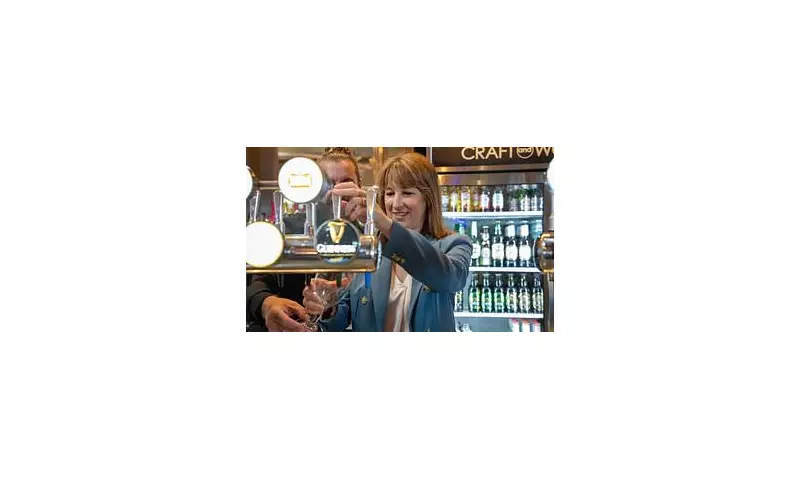
For Mark Wrigley, his Manchester bar is far more than a commercial venture; it's a 12-year labour of love built with his wife Elaine, a place where his children have worked and where regulars have become friends. Yet this family-run business, Atlas Bar, now stands on a financial precipice, a situation he attributes directly to the tax policies of the Labour government.
The Budget Blows That Brought a Business to Its Knees
Wrigley initially felt hopeful when Sir Keir Starmer took power, optimistic about Labour's promised engagement with business. That hope swiftly evaporated. Chancellor Rachel Reeves' first Budget in 2024 proved devastating, he says, plunging Atlas Bar from healthy profitability to the brink of insolvency almost overnight. To survive, brutal cuts were unavoidable.
The subsequent Budget in 2025 was, in his view, even more cruel and catastrophic. The specific levies imposed on the hospitality sector sparked such fury that over 1,000 publicans across Britain banned Labour MPs from their pubs in protest. Wrigley feels these protests fell on deaf ears, creating a sense that the Government is intent on driving hospitality businesses into the ground.

The tax increases were so stealthy, he explains, that he didn't see them coming immediately. It took his accountant several days to outline the full, dreadful impact on his finances. The figures are stark. Before the 2024 Budget, Atlas Bar's average annual profit was about £31,000. While carrying £100,000 in debt from the pandemic lockdowns, it was still viable.
A £70,000 Millstone: Crushing Costs in Detail
The Chancellor's changes transformed that picture entirely. The rise in employers' National Insurance contributions was the first major hit. The bar's NI bill nearly doubled, from £30,000 to £57,000, with an extra £3,500 for employee pensions. This £30,500 annual increase alone almost matched the bar's entire previous annual profit.
Further increases to the National Minimum Wage added £16,000 to the annual staff bill. While Wrigley has always paid above the minimum, he says such generosity is becoming unsustainable. Most painfully, business rates skyrocketed. Two years ago, the bar paid £9,000. In 2025, it rose to £13,000. This year, it has more than doubled to £31,000, and is projected to hit £42,000 within three years.
This calculation is based on a rateable value (RV) set at £97,000—a figure Wrigley finds scarcely believable as it is 40% higher than the bar's £70,000 annual rent. He describes a "lottery system" where neighbouring venues face wildly different RVs, with one seeing its valuation soar from £50,000 to £165,000.
The Human Cost of Survival
Faced with this onslaught, survival required drastic action. The bar's staff was reduced from 30 to 23, with two redundancies that Wrigley describes as one of the hardest decisions of his life. Five more have since left. He and his wife, both in their 60s, now work longer hours than ever to fill the gaps.
Service has inevitably suffered. To maintain quality, opening hours have been cut, reducing turnover. Cleaning contracts and the entire marketing budget have been axed, and a planned refurbishment is paused. A pint now costs customers an extra 40p.
The total cost to Atlas Bar from both of Reeves' Budgets will be at least £70,000, factoring in NI, minimum wage rises, business rates, and pensions. Further trading hour reductions and price rises are imminent. Wrigley even fears they may have to stop serving food, as the 20% VAT levy means "the only people making any money from it are in the tax office."
He has pleaded with local MPs, including Lisa Nandy and Deputy Leader Lucy Powell, who visited the bar. While sympathetic, Powell warned the Government would not reduce NI or offer other help. Wrigley concludes that small businesses like his are seen as "assets to be sweated" rather than job creators.

If Atlas Bar closes, nearly two dozen people, including his son, will be out of work, adding to the benefits bill. The Government will lose its tax revenue, suppliers will lose a customer, and the community will lose a hub. "Our bar is being bled to death," Wrigley states, echoing the fears of countless publicans across Britain who are asking one simple question: why won't the Government listen?