Three of the United Kingdom's leading supermarket chains have initiated internal investigations following disturbing allegations of excessive food waste at their retail locations. The probes come in response to a series of viral social media videos posted by an anonymous activist known as the "Food Waste Inspector," who has amassed over 70,000 followers on Instagram since beginning his campaign in September 2025.
Social Media Campaign Exposes Discarded Edibles
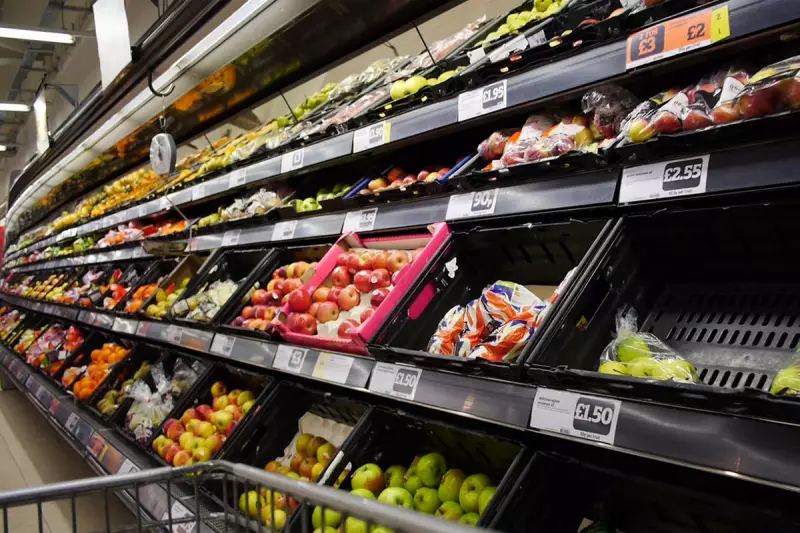
The activist's footage, typically captured late at night in restricted areas such as delivery courtyards and warehouse zones, shows substantial quantities of in-date food items deposited in waste bins outside supermarket premises. Among the discarded products visible in the videos are sausages, potatoes, strawberries, sliced meats, whole chickens, bakery items, and even canned tuna with expiration dates extending to 2030.
In one particularly striking video recorded at 2pm outside a Lidl store, numerous food products still within their sell-by dates appeared to have been discarded without first being marked down for clearance. Another clip from an M&S location on 14 January showed food items with expiration dates of 17 January among the waste.

Supermarket Responses and Redistribution Claims
All three retailers—Waitrose, Lidl, and Marks & Spencer—have acknowledged the allegations while emphasising that the footage does not reflect their established company-wide procedures for managing surplus food.
A Waitrose spokesperson stated: "We have strict procedures to ensure edible surplus food reaches those who need it. We have established that the fresh produce shown in one of the two films was not fit for human consumption and therefore was to be collected to be converted into either animal feed or energy for use in the agriculture sector using anaerobic digestion. We continue to investigate the other film."
The John Lewis Partnership subsidiary added that it has donated 31 million meals through its partnership with FareShare, a leading food redistribution charity.
Lidl confirmed it is treating the matter with high priority, stating: "Lidl is investigating videos showing potential compliance issues with our food waste procedures at several of our stores as a matter of high priority. We are grateful to the Food Waste Inspector for drawing attention to this issue and are working closely with regional management teams and Neighbourly to ensure all colleagues are briefed and aware of the steps they need to take to donate surplus items."
The discount retailer emphasised that the videos are "not representative" of its broader redistribution efforts, through which it claims to have donated 18.5 million meals supporting over 4 million people.
M&S Acknowledges Procedural Lapses
Marks & Spencer provided detailed insight into its standard food waste management process, explaining: "We have a clear process to manage food waste in store. It starts with the right stock in the right place at the right time. Our stores check products regularly and where there's a surplus, they should be reducing the price in good time to help sell it before the date is up."
The retailer continued: "Food that's still unsold and edible, we donate to local community groups through our partner Neighbourly. We can also give it to colleagues or surprise our customers with a treat. It's clear that in a small number of stores something has gone wrong and we're looking into that right now."
M&S reported donating more than 100 million meals through its partnership with Neighbourly and confirmed that any food unfit for human consumption is sent for anaerobic digestion to generate renewable energy rather than to landfill sites.
Activist's Petition Highlights Systemic Issues
The Food Waste Inspector has accompanied his video campaign with an online petition that frames the issue within broader social and environmental contexts. He writes: "Every day, countless individuals and families across our nation find themselves struggling to make ends meet. Bills pile up, and many are forced to make heart-wrenching choices between paying for utilities or putting food on the table."

"Meanwhile, supermarkets are discarding perfectly edible food in massive quantities every day. Imagine the impact if all that good food went to people who desperately need it, instead of ending up in landfills. Not only would it help alleviate hunger, but it would also be a significant step towards sustainability and responsible resource use."
The activist further alleges that several supermarket locations have begun making efforts to conceal their food waste levels since his campaign gained traction.
Industry Context and Regulatory Landscape
While UK supermarkets are encouraged to partner with redistribution schemes like Neighbourly and FareShare, there is currently no legislation mandating such donations. The voluntary nature of these arrangements means compliance can vary significantly between stores and regions.
The Waste and Resources Action Programme (WRAP), a charity dedicated to reducing global food waste, commented on the situation: "Redistribution of surplus food from the retail, food manufacturing, and the hospitality and food service sector has improved over recent years."
"Retailers have reduced food waste within their operations by 26 per cent per kg per capita between 2007 and 2021. Now most have links with charities and can redistribute more food, and clearly there will be times when more can be done. It's good that the retailers are taking steps to address this as no good food should ever go to waste."
This incident highlights the ongoing tension between corporate sustainability claims and on-the-ground practices, particularly as cost-of-living pressures continue to affect millions of UK households. The supermarkets' investigations will likely focus on whether the incidents represent isolated compliance failures or indicate broader systemic issues in their waste management protocols.