Five Major UK Retailers Including Poundland and River Island Confirm 2026 Store Closures
The United Kingdom's high streets are preparing for another turbulent year as five prominent retail chains have officially announced plans to shutter multiple locations throughout 2026. This development follows a period of significant upheaval for brick-and-mortar stores, with consumers increasingly favouring online shopping platforms.
High Street Challenges Intensify
Recent years have proven exceptionally difficult for traditional retail outlets across Britain. According to comprehensive data from the Centre for Retail Research, more than 13,000 high street stores ceased operations during 2024 alone. Although official statistics for 2025 remain unavailable, industry analysts suggest the number of closures may have surpassed even that substantial figure.
The confirmed closures for 2026 represent a continuation of this troubling trend, with major brands including Poundland, River Island, House of Fraser, Schuh, and Shoe Zone all implementing strategic reductions to their physical store portfolios.

Poundland's Restructuring Continues
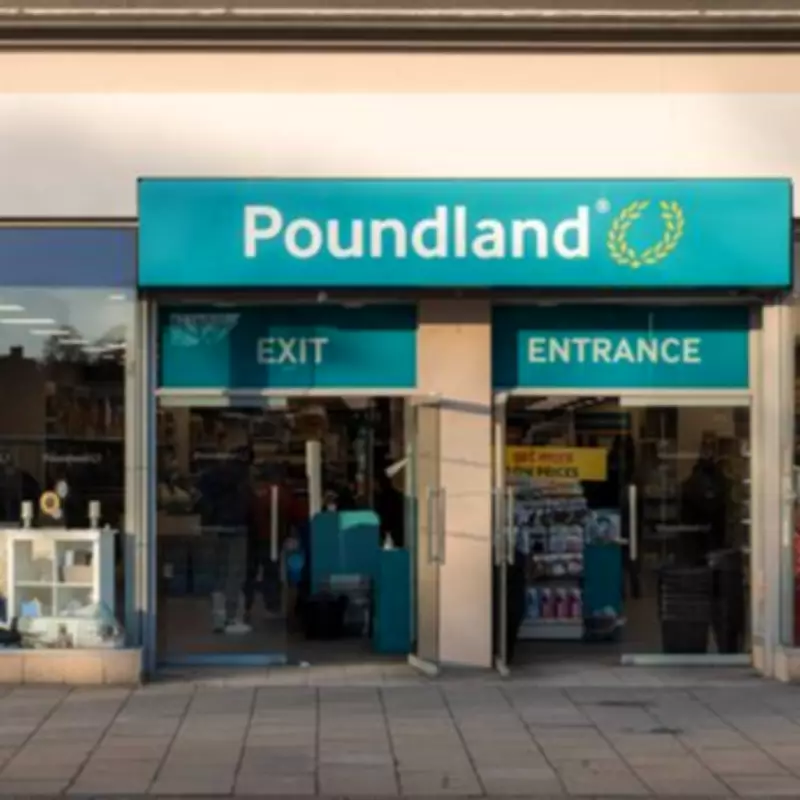
The beloved discount retailer Poundland will close an additional 32 stores during the early months of 2026, bringing their total closures to 100 locations nationwide. This forms part of an ongoing restructuring programme following the chain's acquisition by investment firm Gordon Brothers for a symbolic £1 last year.
Affected branches are currently conducting clearance sales with discounts reaching up to 40%. The comprehensive closure list includes locations across England, Scotland, Wales, and Northern Ireland:
- Lancaster, Lancashire
- Northampton Sixfields, Northamptonshire
- Weston-Super-Mare, Somerset
- Hammersmith, Greater London
- Prestatyn, Denbighshire
- Faversham, Kent
- Liverpool, Merseyside
- Yeovil, Somerset
- Nottingham Eastpoint, Nottinghamshire
- Lymington, Hampshire
- Christchurch (47 High Street), Dorset
- Bristol Avon Meads, Bristol
- Winton, Dorset
- Coatbridge, North Lanarkshire, Scotland
- Christchurch (Meteor Retail Park), Dorset
- Arnold, Nottinghamshire
- Worthing, West Sussex
- Droitwich, Worcestershire
- Ballymena, County Antrim, Northern Ireland
- Oldham, Greater Manchester
- Weston Favell, Northamptonshire
- Portishead, Somerset
- Grantham, Lincolnshire
- Portadown, County Armagh, Northern Ireland
- Farnham, Surrey
- Brighton, East Sussex
- Hempstead Valley, Kent
- Bexhill, East Sussex
- Ponders End, Greater London
- Kilmarnock, East Ayrshire, Scotland
- Mitcham, Greater London
- Cameron Toll, Edinburgh, Scotland
Schuh Adapts to Changing Market
Footwear specialist Schuh has permanently closed its outlet at The Broadway Shopping Centre in Bradford. A spokesperson from the shopping centre confirmed the closure while indicating that new retailers would be announced shortly to fill the vacant space.
A representative from Schuh explained: "The UK retail sector is undergoing rapid transformation, shaped by shifting consumer behaviours. In response, Schuh is evolving to strengthen its position for the future through strategic decisions, including the necessary closure of underperforming stores like our Bradford location."
The company, which opened its first store in Edinburgh in 1981, currently operates more than 120 branches throughout the United Kingdom and Ireland.
House of Fraser's Continued Contraction
Department store chain House of Fraser has posted closure notices at its Plymouth outlet, indicating that trading will cease in March 2026. This reduction will leave the once-dominant retailer with just 11 remaining locations nationwide.
The Plymouth store was previously scheduled for closure in 2018 following House of Fraser's administration, but received a reprieve when Sports Direct acquired the chain for £90 million. Longtime customers have expressed profound disappointment on social media platforms, with one lamenting the loss of "the only decent department store we had left" while another shared nostalgic memories of childhood visits with family members.

River Island's Financial Restructuring
Fashion retailer River Island confirmed last month that it will close 32 stores as part of a comprehensive restructuring plan designed to address ongoing financial difficulties. The company recorded a substantial £33.2 million loss in 2023 following a 19% decline in sales.
A company spokesperson attributed the closures to escalating store maintenance costs combined with the relentless growth of online shopping. River Island currently operates more than 200 branches across the UK, employing approximately 5,500 staff members whose positions now face uncertainty.
The affected River Island locations scheduled for closure in 2026 include:
- Aylesbury, Buckinghamshire
- Bangor Bloomfield, Northern Ireland
- Barnstaple, Devon
- Beckton, Greater London
- Brighton, East Sussex
- Burton-Upon-Trent, Derbyshire
- Cumbernauld, Scotland
- Didcot, Oxfordshire
- Edinburgh Princes Street, Scotland
- Falkirk, Scotland
- Gloucester, Gloucestershire
- Great Yarmouth
- Grimsby, Lincolnshire
- Hanley, Staffordshire
- Hartlepool, County Durham
- Hereford, Herefordshire
- Kilmarnock, Scotland
- Kirkcaldy, Scotland
- Leeds Birstall Park, West Yorkshire
- Lisburn, Northern Ireland
- Northwich, Cheshire
- Norwich, Norfolk
- Oxford, Oxfordshire
- Perth, Scotland
- Poole, Dorset
- Rochdale, Greater Manchester
- St Helens, Merseyside
- Surrey Quays, Greater London
- Sutton Coldfield, Warwickshire
- Taunton, Somerset
- Workington, Cumbria
- Wrexham, Wales
Shoe Zone Responds to Tax Changes
Footwear retailer Shoe Zone has announced the closure of its Salisbury location, attributing the decision directly to tax increases implemented in the Government's Budget under the Labour administration. Distinctive black and yellow closing-down notices have appeared in the shop windows, with the Salisbury branch scheduled to cease operations between April and June 2026.
This collective wave of confirmed closures underscores the profound challenges facing traditional retail as businesses adapt to evolving consumer habits, economic pressures, and technological disruption. The coming year promises further transformation for Britain's high streets as these established brands recalibrate their physical presence in an increasingly digital marketplace.