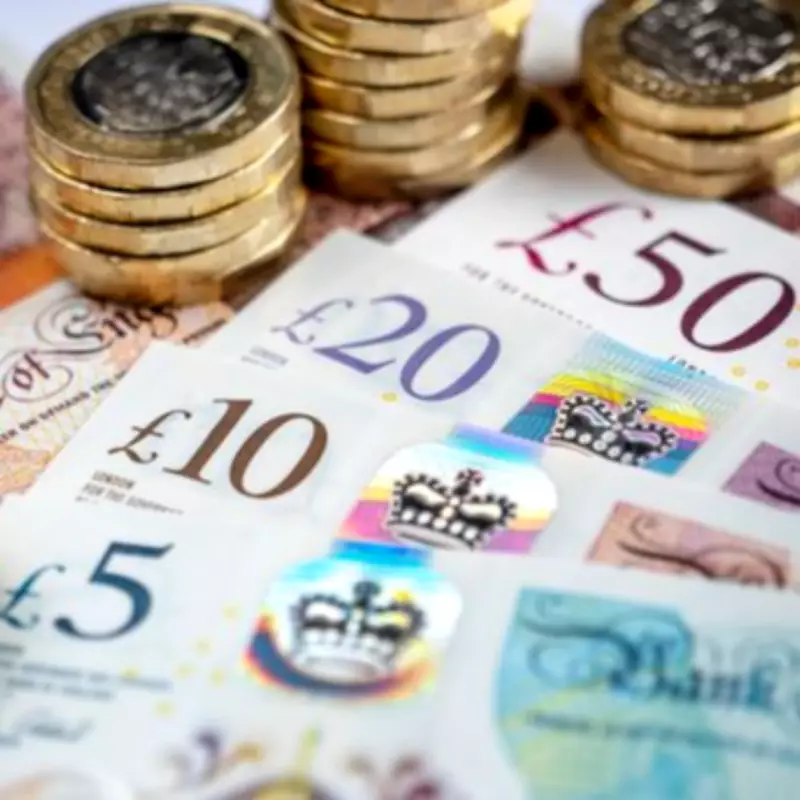
Britons are being urged to remain vigilant following a significant rise in reports of counterfeit banknotes circulating across the United Kingdom. Law enforcement officials have issued a stark warning, highlighting that many members of the public are unable to distinguish between genuine and fraudulent currency.
Police Respond to Multiple Incidents in Nottinghamshire
Nottinghamshire Police have taken action after receiving three separate reports of fake banknotes being utilised to pay for takeaways and items purchased via social media platforms. The incidents, concentrated primarily in the Newark area, involved counterfeit £20 and £10 notes.
Identifying Features of the Fraudulent Notes
In a social media warning issued on Sunday, police detailed specific features observed on the fake notes in Newark. These included holograms that were merely stuck on and could be peeled off, making notes appear thicker in a stack. Additionally, the notes exhibited a bright white background and became blurred upon close inspection. Crucially, the holograms failed to change when the notes were tilted, a key security feature of legitimate polymer banknotes.

The police force released comparative images of real and counterfeit money to aid public identification and shared official advice from the Bank of England on what to look for.
Official Bank of England Guidance on Spotting Fakes
The central bank's website offers comprehensive information to help individuals and businesses detect counterfeit notes. Key verification points include:
- Holograms: Authentic holograms should change when you tilt the note from side to side. For example, the words should alternate between the value of the note, such as "twenty" or "fifty". On a £50 note, the image should shift from "50" to "£".
- See-through Window: Examine the metallic image over the transparent window. The foil should be gold on the front of £5 and £10 notes, gold and blue on £20 notes, and gold and green on £50 notes. The reverse side foil on all notes should be silver.
- Print Quality: The printed lines and colours must be sharp and clear, with no smudges or blurred edges. Under magnification, genuine notes display the value written in small letters and numbers below the monarch's portrait.
The Decline of Detector Pens
It is important to note that traditional detector pens, once a staple for shop owners and cash handlers, are no longer effective on modern polymer banknotes. This shift necessitates greater reliance on visual inspection and awareness of security features.
Support for Businesses: The Banknote Checking Scheme
To combat this threat, the Bank of England provides a free Banknote Checking Scheme designed to protect businesses from counterfeit currency. This initiative assists retailers in training their staff effectively and keeping abreast of best practices for banknote verification.
What to Do If You Suspect a Counterfeit
If you believe you have received a counterfeit banknote, the official advice is clear: take it to your bank as a suspect counterfeit or contact the police directly. Authorities will provide a receipt and forward the note for expert analysis. Should the note be verified as genuine, you will be fully reimbursed.
This alert underscores the ongoing challenge of counterfeit currency and the collective responsibility of the public, businesses, and financial institutions to remain informed and vigilant.