As a consumer who frequently scrutinises product packaging, I was delighted to observe that Marks & Spencer significantly broadened its 'minimal ingredients' assortment earlier this year. The concept is straightforward yet effective: displaying the total number of ingredients directly on the front of the packaging. This initiative provides valuable transparency, allowing shoppers to immediately identify products like six-ingredient pork sausages or four-ingredient bread, especially when comparable items might contain triple the number of components.
A Timely Response to Food Processing Concerns
This strategic expansion represents a clever and well-timed reaction to the escalating public discourse surrounding ultra-processed foods, commonly referred to as UPFs. There is increasing recognition among consumers that many everyday grocery staples harbour a surprisingly high quantity of additives and preservatives. The 'minimal ingredients' labelling directly addresses this growing awareness, empowering customers to make more informed purchasing decisions based on simplicity and ingredient clarity.
Navigating the Nuances of Food Labelling
Naturally, this development is not without its complexities. Some sceptics might contend that such prominent labelling could potentially exacerbate food-related anxieties or foster unnecessary fear around UPFs, which certainly are not universally detrimental. Additionally, critics may argue that this approach could create opportunities for retailers to inflate prices on wholefood and minimally processed items. Despite these considerations, the overall approach of enhanced transparency receives strong support from many consumers seeking greater clarity about what they are purchasing and consuming.

Recipe: Four-Ingredient Peanut Butter Cookies
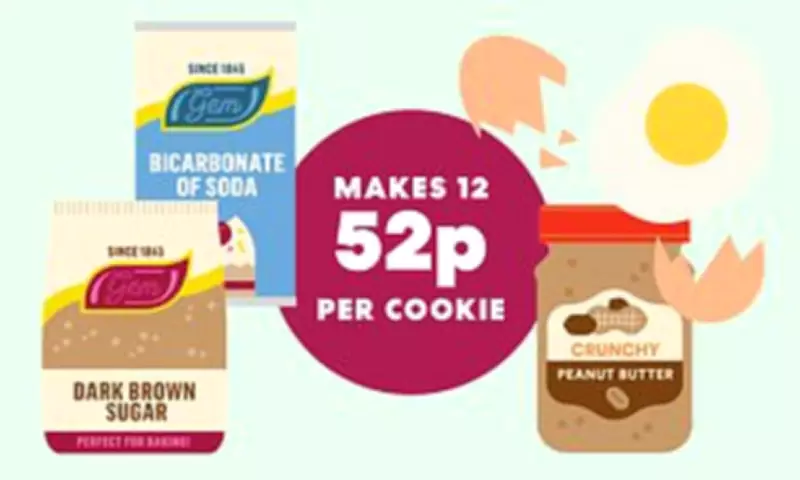
This week's featured recipe demonstrates the simplicity possible with minimal ingredients: four-ingredient peanut butter cookies. Remarkably, these cookies do not require any flour, as the peanut butter itself provides sufficient binding properties. For optimal results, select a sugar-free peanut butter variety. Should you desire to incorporate a fifth ingredient, 100 grams of dark chocolate makes an excellent addition, either folded into the dough before baking or melted for dipping half of each cooled cookie.
Ingredients and Preparation
Ingredients:
- 150g dark brown sugar
- 1 teaspoon bicarbonate of soda
- 1 large egg
- 250g peanut butter (100% peanuts)
- Optional: 100g dark chocolate for folding or dipping
Method:

- Preheat your oven to 180°C (160°C fan)/gas mark 4.
- In a mixing bowl, use a hand whisk to thoroughly beat together the sugar and egg for approximately one minute until the mixture becomes light and well combined.
- Next, whisk in the peanut butter, bicarbonate of soda, and half a teaspoon of salt until all ingredients are fully incorporated. If using, gently fold in the chocolate chunks at this stage.
- Divide the mixture into twelve equal portions, rolling each into a ball. Place them with adequate spacing on a large baking sheet lined with parchment paper, using two sheets if necessary. Lightly press down each ball to flatten slightly.
- Bake for 10-12 minutes until the edges just begin to turn golden. Allow the cookies to cool on the tray for five minutes before transferring them to a wire rack to cool completely.
- If desired, melt the remaining chocolate and dip half of each cooled cookie, then leave them at room temperature to set properly.
- Store the finished cookies in an airtight container where they will remain fresh for two to three days.