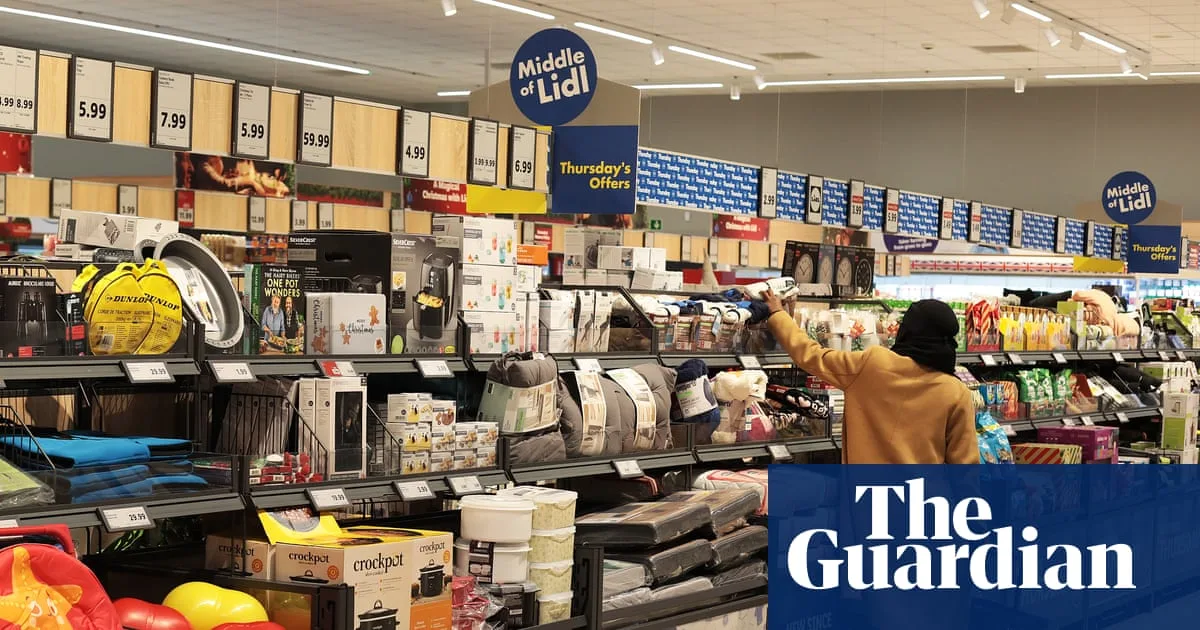
Lidl has overtaken Morrisons to become the fifth-largest grocery retailer in Great Britain, according to new market data. The German-owned discounter saw sales rise 8.8% year on year in the 12 weeks to 17 May, achieving a record market share of 8.6% – compared with Morrisons' 8.3% share, which grew by just 1.3%.
Twenty-five years ago, Lidl accounted for only 1.4% of the grocery market, trailing long-extinct names such as Safeway, Somerfield and Kwik Save. Since then, it has expanded rapidly and now operates 1,000 stores and 13 distribution centres across England, Scotland and Wales, employing 35,000 people. In the year to February 2025, Lidl GB reported sales of £11.7bn, up 8.3%, while profits more than doubled to £156.8m. The company pledged in April to open 50 more UK stores and invest over £600m in expansion.
Lidl now sits behind fellow discounter Aldi, which is the UK's fourth-largest grocer and less than one percentage point behind struggling Asda. Both German-owned chains have benefited from the weak performance of Asda and Morrisons since their debt-fuelled private equity takeovers. However, Aldi's growth has slowed recently as Tesco and Sainsbury's have fought back with loyalty schemes and price-matching ranges.
Ryan McDonnell, chief executive of Lidl GB, called the milestone a "significant indication of the momentum we have built", adding: "As customer expectations shift, households are looking for value they can rely on without compromising on quality." Morrisons responded by arguing that its market share was underestimated in the data because it excludes sales from convenience stores. A spokesperson said Morrisons serves over 10 million customers a week and has maintained its share without opening new supermarkets, unlike the discounters.
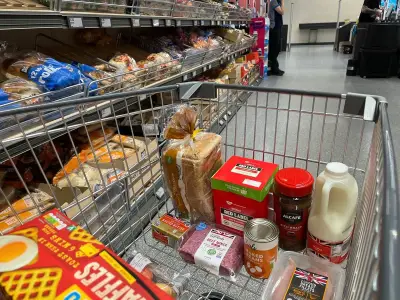
The discounters' rise comes as households seek ways to offset inflation on food and energy bills. Grocery prices rose 3.1% in the four weeks to 17 May – the slowest pace since December 2024 – as supermarkets offered promotions to tempt shoppers. Spending on promoted items jumped 9.5% year on year, while full-price spending grew only 0.1%. Fraser McKevitt of Worldpanel said the easing inflation was welcome news for shoppers who had been bracing for food price hikes linked to the war in the Middle East.