Instagram vs Taste: The Rise and Reality of UK's 'Posh' Chain Restaurants
Instagram vs Taste: The Reality of UK's Posh Chain Restaurants

The landscape of British dining has undergone a remarkable transformation in recent years. Where once chain restaurants were synonymous with affordable, no-frills meals in functional settings, a new generation of upmarket chains has emerged, prioritising aesthetic appeal and social media presence as much as culinary excellence.

The Instagram Era of Dining

Over the past decade, a sophisticated breed of restaurant chains has elegantly arrived on Britain's high streets, specifically targeting middle-class patrons. These establishments distinguish themselves through highly photogenic interiors featuring artificial floral displays, atmospheric lighting, and theatrical service. Their menus are crafted to appear sophisticated, while their entire concept seems designed for digital sharing.

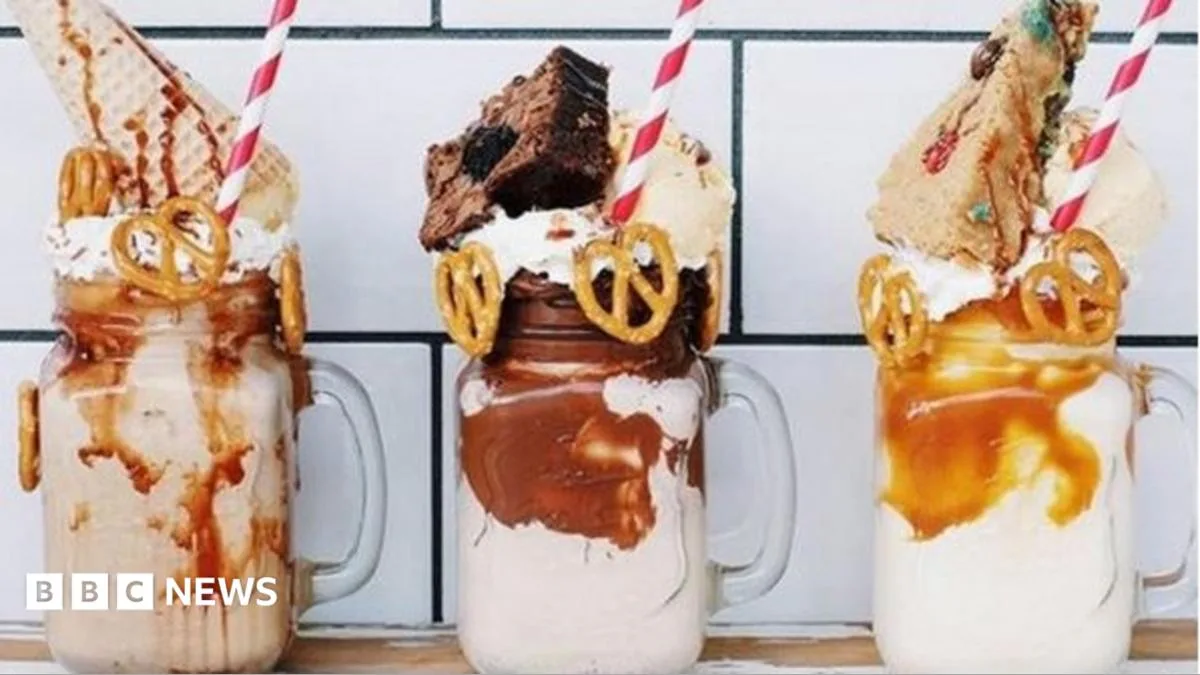
Social media influencers have become their primary marketing channel, flooding platforms with carefully curated images of artfully presented dishes and extravagant cocktails. The visual appeal is undeniable, but questions are increasingly being raised about whether the dining experience matches the online hype.

Big Mamma: Style Leader Faces Scrutiny

One prominent example is Big Mamma, an Italian trattoria-style chain founded by French restaurateurs that first appeared in London's Shoreditch in 2019. The group now operates approximately half a dozen visually striking restaurants across the capital, each with individual names like Ave Mario in Covent Garden, known for its black-and-white striped walls and red velour booths.

Despite cultivating a dedicated following willing to pay premium prices, recent criticism has emerged. Some dissatisfied diners have compared the experience to "Frankie & Benny's for rich people," referencing the popular high-street pizza chain. Social media and Tripadvisor reviews contain stronger language, describing these venues as playgrounds for "wannabe socialites" and accusing them of prioritising "style over substance."

Daily Mail Food Critic Tom Parker-Bowles offers a nuanced perspective: "Anywhere that puts an Instagram post above good service is best avoided. That said, I do rather like the Big Mamma Group. In these dark days, there’s nothing wrong with a little OTT fun."

Beyond Big Mamma: The Posh Chain Phenomenon

Big Mamma represents just one player in a broader trend of upmarket chains catering to affluent diners seeking excitement alongside their meals. Several other establishments have successfully tapped into this market.

Gaucho: This Argentine steakhouse chain, part of the Rare Restaurants Group, operates around twenty locations nationwide, including twelve in London. The experience involves knowledgeable waiters explaining meat cuts and wine pairings amidst glamorous interiors featuring leather banquettes and statement lighting. However, with a 400g ribeye costing £51.50 and a fillet reaching £68 at their Piccadilly branch, some question the value proposition. Recent visitors note a disconnect between social media promotion and the actual dining experience.

Daisy Green: Presenting itself as bringing "relaxed and buzzing Australian food and coffee culture to London," this expanding group includes venues like Peggy Jean's, a converted barge in Richmond. While summer settings attract crowds, some patrons report underwhelming experiences, including long waits and cold food. The chain has also faced controversy over plans to take over historic cafes in Hampstead Heath, sparking a celebrity-backed "Save Our Cafes" campaign.

Tattu: Founded in Manchester in 2015, this Chinese restaurant chain has cultivated a following through immersive dining and elaborate interiors inspired by China's natural landscapes. With five UK branches and expansion plans including Dubai, Tattu epitomises the Instagram-focused dining trend.

Albert Schloss: These Bavarian-style beer halls in Manchester, Liverpool, London, and Birmingham offer Alpine dining in trendy urban settings. While popular on social media, some reviews criticise the venues as "average" in terms of entertainment and atmosphere.

The Authenticity Debate

Class and etiquette expert Laura Windsor, who has Italian heritage, expresses scepticism about the trend: "Good food should speak for itself. When presentation and hype are valued more than flavour and care, the experience becomes meaningless and expensive." She recalls a time before social media dominated dining culture, noting that true food appreciation comes from knowledge and taste rather than online spectacle.

Big Mamma's co-founder Tigrane Seydoux defends their approach, emphasising their commitment to guest feedback: "We care extremely deeply about feedback from every guest who walks through our doors. We personally respond to every review to ensure genuine understanding of how we can improve." The chain maintains an average Google rating of 4.8 across its eight UK restaurants.

An Unexpected Contrast: Affluent Patrons at Humble Chains

Interestingly, while upmarket chains attract criticism for being style-focused, genuinely affluent individuals often frequent more humble establishments. McDonald's, for instance, counts numerous high-profile fans despite its down-to-earth image.

The late Princess Diana famously took Princes William and Harry to the fast-food chain to provide a sense of normal childhood. Former Kensington Palace chef Darren McGrady confirmed the princes' preference for American-style foods like McDonald's and pizza. Supermodels Cara Delevingne and Gigi Hadid, actress Phoebe Waller-Bridge, and even business magnates like Jeff Bezos have all publicly acknowledged their appreciation for the chain.

This contrast highlights a curious dining dichotomy in contemporary Britain: while photogenic chains attract those seeking Instagram-worthy experiences, traditional fast-food outlets continue to draw patrons across the social spectrum who prioritise convenience and familiarity over aesthetic presentation.

The evolution of chain restaurants reflects broader cultural shifts towards experiential consumption and digital sharing. As these establishments continue to proliferate, the fundamental question remains whether they can successfully balance visual appeal with culinary quality, or whether they risk becoming mere backdrops for social media content rather than destinations for memorable dining.