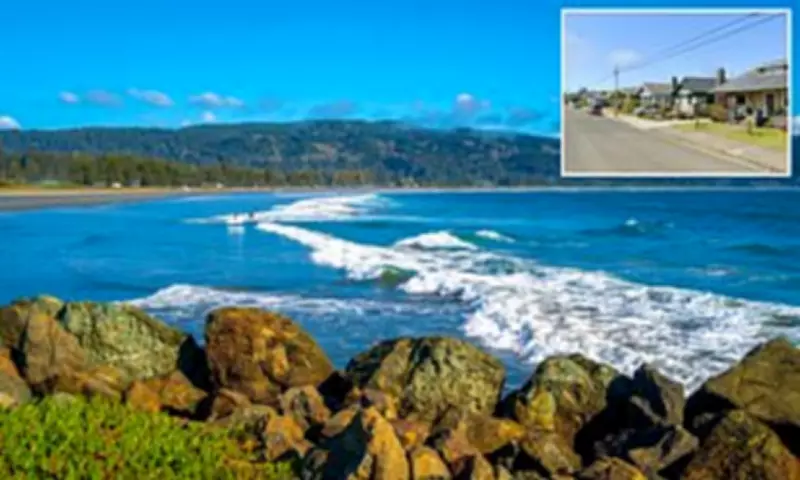
A small and isolated city in northern California may be the state's last bastion of affordable beach houses. In Crescent City, located along the Pacific coast just below the border with Oregon, the median sale price of homes is about $340,000, according to realty company Redfin.
A three-bedroom, 1,500-square-foot house just a few blocks from the beach sold for about $330,000 on February 25, and that is just one of many similar recent sales. The small coastal city's median sale price of a home is less than half the statewide median of between around $750,000 to about $850,000, depending on the source.
When compared with California's other, more well-known coastal cities further south, Crescent City's housing market becomes even more of a bargain. In Malibu, the median sale price of homes is $4.8 million, according to Redfin, which estimates that homes in other coastal cities, such as Santa Barbara, Santa Monica and Laguna Beach, are all in the $1.5 million to $3 million range.

Crescent City, with a population of around 6,700, is the only incorporated city in Del Norte County, and it is the county seat. About 80 percent of Del Norte County consists of state or national parks, protecting around 45 percent of the world's old-growth coastal redwoods.
The isolation is appealing to some, but a downside for others. Nature-lovers may be drawn by the rich wildlife, which includes critically endangered condors, bald eagles, Roosevelt elk and whales. But those seeking a lively city may be disappointed by the drab downtown, which was hastily reconstructed after a tsunami decimated 29 blocks in 1964.
Crescent City's affordable housing market is not just a result of its isolation and small local market. The median household income is around $35,500, according to the US Census, and around 40 percent of the workforce are public employees hired by the local schools, prison, county and city. Pelican Bay State Prison, a supermax facility, is a major employer for Crescent City residents, and its 1,845 inmates make up a little under 30 percent of the city's total population.
Crescent City once had healthy timber and fishing industries that have suffered in recent decades, and tourism is now the main economic engine of the area. More than one million visitors pass through Del Norte County every year, drawn by the national parks and some annual festivals, and the tourists represent Crescent City's largest local tax revenue source by far.
Property taxes are negligible in comparison, despite the city's unusually low two percent rental vacancy rate and few empty homes. Low housing inventory typically leads to much higher prices, as is the case across the majority of California, which only competes with Hawaii for the most expensive housing market in the country.
Still, although Crescent City's median home prices are far more affordable than the rest of the state, they are extremely expensive for locals. The median household income across California is about one-eighth the median price of a home statewide, while the median household income in Crescent City is about one-tenth the price of a home there.
The extensive coverage of national and state parks in Del Norte County makes development in the area a challenge, as there is limited space for private actors. Wealthy people from outside the city who have scoped out its affordable housing market compared to the rest of the state also contribute to the elevated prices for locals and low inventory.
There are a large number of second homes and vacation rentals within Crescent City, which does not have any regulatory limits on those properties. Kurt Stremberg, a local real estate agent, told the San Francisco Chronicle: 'We're really dependent on the out-of-area buyer.'
But that may change in the near future, as the city council recently told staff to study options for limitations on vacation rentals and provide recommendations in an effort to free up some supply and make housing more affordable for locals. That could lead to even lower prices in the already relatively affordable city, but it would also place legal restrictions on outside buyers.