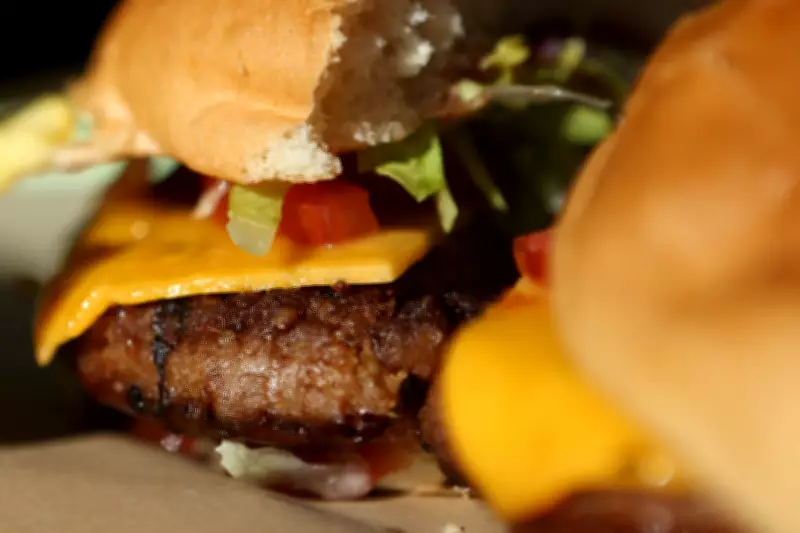
In a significant development for the fast-food industry, the vegetarian chain Amy's has permanently closed its last physical restaurant, Amy's Drive Thru in Rohnert Park, California, on March 8, 2026. This closure brings an end to the company's ambitious ten-year foray into brick-and-mortar fast-food locations, which initially launched with a groundbreaking concept in the United States.
The Revolutionary Concept That Captured Attention
Amy's Drive Thru was first introduced as a pioneering venture, celebrated for offering organic, plant-based options such as veggie burgers and pizzas within a traditional drive-thru setting. This innovative approach aimed to provide healthy, vegetarian alternatives in a format typically associated with conventional fast food, garnering widespread acclaim for its unique blend of sustainability and convenience.
A Farewell Message and Future Directions
In a heartfelt farewell message, the company reiterated its core mission of serving delicious, organic food to the public. As part of its closing procedures, Amy's announced plans to donate all remaining ingredients to local food banks, underscoring its commitment to community support and reducing waste.

Despite the closure of its physical restaurants, the Amy's brand will continue to thrive through its well-established frozen-food division, Amy's Kitchen. This arm of the business sells a wide range of vegetarian and vegan meals in grocery stores across the United States, ensuring that consumers can still access the brand's products.
Reflecting on a Decade of Innovation
The shutdown of Amy's Drive Thru marks the conclusion of a decade-long experiment in the fast-food sector. From its inception, the chain challenged industry norms by combining organic, plant-based offerings with the speed and accessibility of a drive-thru model. While the physical locations are now gone, the legacy of this revolutionary concept continues to influence discussions around sustainable dining and vegetarian options in fast food.
This move highlights the evolving landscape of the fast-food industry, where consumer preferences and economic factors often dictate the survival of innovative ventures. As Amy's transitions focus to its frozen-food line, the closure serves as a reminder of the challenges faced by niche brands in maintaining physical presences amidst competitive markets.