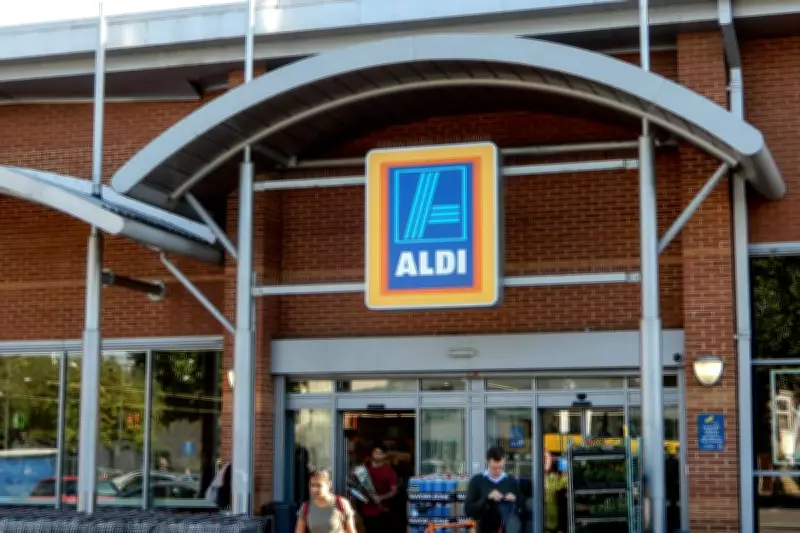
German discount supermarket chain Aldi has announced ambitious plans to open 50 new stores across Colorado within the next five years, alongside constructing a major distribution center in Aurora by 2029. This strategic expansion is being hailed by industry experts as a potential catalyst for significant disruption in Colorado's concentrated grocery market, where food prices have surged dramatically.
Colorado's Grocery Price Crisis
Over the past five years, grocery prices in Colorado have escalated by 25%, substantially outpacing wage growth during the same period. This alarming trend has placed immense pressure on household budgets, with food affordability emerging as a top concern for Colorado residents. According to a Reuters/Ipsos survey from December 2025, the cost of living relative to housing, healthcare, and food ranks among the most pressing issues facing Americans today.
The situation is particularly acute in Colorado due to the state's highly concentrated retail and supply chain system. King Soopers, operating under the Kroger umbrella, and Walmart collectively control nearly half of the total market share. Meanwhile, Safeway and Albertsons have been losing ground and closing stores, while warehouse giants Costco and Sam's Club remain limited to members-only models. The remaining market consists primarily of niche providers and small independent retailers, leaving consumers with few alternatives to address rising food costs.

Aldi's Disruptive Market Entry Strategy
While 50 stores may seem modest in a state with over 1,000 grocery outlets, Aldi's approach represents a calculated disruption strategy. Nationally, Aldi holds just 3% market share compared to Walmart's 21% and Kroger's 9%. Rather than competing directly with these giants, Aldi positions itself as a lowest-cost retailer, a positioning desperately needed in Colorado's expensive grocery landscape.
Jack Buffington, an associate professor of supply chain management at the University of Denver with two decades of food industry experience, explains: "I've witnessed retailers consolidate market share by lowering prices, only to raise them again once competition disappears. Aldi's supply chain strategy presents perhaps the greatest opportunity to disrupt Colorado's stagnant food market and create positive change for consumers."
Colorado's Competitive Challenges
Creating genuine competition in Colorado's grocery market extends beyond simply adding new stores. The state faces a complex chicken-and-egg dilemma between retailers and food supply chains that has historically limited healthy market competition.
Colorado's geographic position in the sparsely populated Mountain West region makes it less attractive for food supply chains. The state is largely a food importer, sourcing vegetables from California, Arizona, and Mexico, processed meats from Nebraska, Kansas, and Texas, and packaged foods from the Midwest. While Kroger and Walmart provide retail stability, they have limited incentive to lower costs for Colorado consumers, with Walmart maintaining just 11% market share in Colorado compared to its national average of 21%.
The grocery market was further weakened in 2024 when a proposed merger between Kroger and Safeway/Albertsons was blocked by federal courts. This left both companies in a precarious position: too large to compete effectively against nimble newcomers like Aldi and Trader Joe's, yet insufficiently efficient to challenge Walmart's dominance.
The Rise of Nontraditional Supermarkets
Nontraditional supermarkets like Walmart and Aldi now pose an existential threat to traditional American grocery stores. Nationwide, nontraditional supermarkets command 63% of market share versus just 37% for traditional grocers. Traditional supermarkets like King Soopers struggle to compete against retailers operating on razor-thin margins, paying higher wages, and offering massive product selections across enormous store footprints.
Buffington observes: "In the face of higher food costs, only Walmart appears positioned to survive in the supercenter model. The alternative trend favors smaller, more agile stores with lower costs and reduced product ranges."

Aldi's Low-Cost Advantage
Aldi's arrival in Colorado could provide the necessary disruption catalyst. The retailer maintains the lowest costs and profit margins of any U.S. grocery chain, operating relatively small stores with reduced overhead and limited product selections. The cornerstone of Aldi's strategy involves private label products, with nearly all items produced by manufacturers and sold under Aldi's brand names, significantly reducing marketing expenses.
The planned Aurora distribution center will join existing facilities operated by Walmart and Kroger, potentially creating a more robust local food supply chain infrastructure essential for lowering food prices across Colorado.
Potential Ripple Effects Across Colorado
Americans currently spend approximately 10% of their income on food, among the lowest rates globally, yet many feel increasingly unable to afford necessary groceries. In Colorado, food insecurity affects one in eight residents, with rural areas and urban pockets becoming food deserts where major supermarkets avoid establishing presence.
Aldi's smaller stores, private label products, and Colorado-based supply chain system could generate ripple effects in low-income areas currently dominated by Dollar Tree and regional independents. Enhanced focus on efficient food supply chains in well-served markets may inevitably benefit underserved communities with limited grocery access. This development holds potential to improve both food affordability and accessibility statewide, offering Colorado consumers meaningful alternatives in an increasingly challenging grocery landscape.