
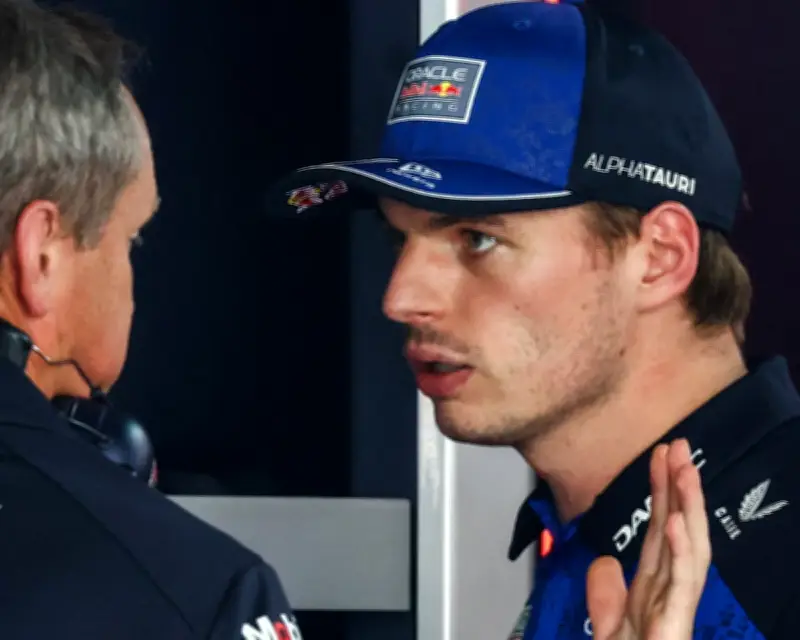
Formula One leaders have reached an agreement on proposed engine changes for the 2027 and 2028 seasons, aiming to address widespread driver dissatisfaction with the current rules. The changes are seen as crucial to placating four-time champion Max Verstappen, who has repeatedly threatened to leave the sport over his dislike of the current engine regulations.
Verstappen's criticism and driver concerns
Verstappen has been one of the most outspoken critics, calling the current rules "anti-racing." However, he is not alone in his frustration. The FIA, teams, engine manufacturers, and F1's owners have been in discussions to find a solution. Notably, the agreed resolution does not reach the minimum scale of improvement Verstappen believed was necessary until 2028.
Energy management issues
The changes aim to address the level of energy management drivers must undertake on each lap. Current engines have a 53-47 split between the internal combustion engine (ICE) and electrical energy. This has led to counterintuitive driving, with a focus on recharging and harvesting rather than driving flat out, causing frustration and safety concerns due to closing speeds.
Proposed power split adjustments
In May, a proposal to change the power split to 60-40 in favor of the combustion engine was agreed in principle but not formally accepted. Audi and Ferrari reportedly objected to implementing it as soon as next year. Increasing fuel flow to the combustion engine required potential knock-on effects on chassis design, including a larger fuel tank and reworking expensive power units.
Compromise reached
After ongoing talks, a compromise has been reached to implement changes incrementally. For 2027, the power delivery split will be set at 58-42 with a 5% fuel flow increase, boosting the ICE maximum output from 400kW to 420kW. In 2028, it will move to 60-40 with a 13% fuel flow increase and ICE maximum output of 450kW.
Reception and next steps
How this will be received remains to be seen. Verstappen stated that a 60-40 split would be the "bare minimum" acceptable, and the 2027 changes fall short but are close. He will express his verdict on Thursday before the Barcelona-Catalunya Grand Prix. The hope is that the result addresses issues without requiring major hardware changes to power units, which manufacturers like Audi have heavily invested in. The incremental 5% fuel flow increase for 2027 appears acceptable to all manufacturers.
For any changes to be implemented in time for next season, they must be formally agreed before the end of June. The FIA noted it would "now expedite the formal approval process to provide all parties with early clarity and sufficient time to adapt to the revised requirements." The proposals are still subject to approval by the World Motor Sport Council at its next meeting in Macau on 23 June.




