Prince William's Kent Housing Development Faces Crucial Council Decision
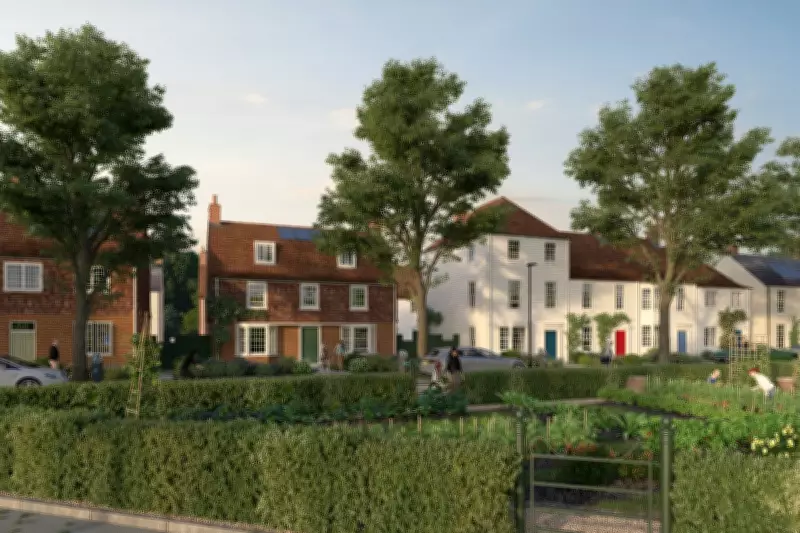
Plans for a major housing development on Kent farmland owned by the Prince of Wales are poised for a decisive council vote this evening, despite facing hundreds of formal objections from local residents and community groups. The Duchy of Cornwall submitted its ambitious proposal to create a new 'garden' neighbourhood, named South East Faversham, to Swale Borough Council back in 2024, setting the stage for a significant expansion on the edge of the historic market town.
Phase One Recommendations and Public Response
The initial phase of the development, which includes 261 homes, a local centre, and dedicated green space, has been recommended for approval by council planning officers ahead of Tuesday evening's committee meeting. This recommendation comes in the face of substantial public opposition, with official documents revealing that 467 objections have been lodged against the scheme. Concerns raised by objectors focus on several critical issues, including anticipated increases in traffic congestion, the loss of high-quality agricultural land, potential harm to local wildlife populations, and perceived threats to the area's distinctive heritage and character. Additionally, many have questioned whether sufficient infrastructure will be provided to support the new community.
In contrast, the application has received 12 letters of support, which commend the proposal for its high standard of design and its vision to establish a new, sustainable community. The planning officers' report, which weighs the scheme's merits against its drawbacks, states: "The benefits of the scheme are, when taken together, substantial and wide ranging." It further highlights that the development performs particularly well in providing affordable homes—with 35% of the units designated as such—and in directing growth to sustainable locations while creating well-designed places, all key requirements of the National Planning Policy Framework (NPPF).

Balancing Benefits Against Identified Harm
The officer's assessment acknowledges that significant harm has been identified through the planning process but concludes that this harm "would not outweigh the benefits, let alone significantly and demonstrably outweigh them." The proposed infrastructure for the first phase includes a water recycling centre and parking facilities. Looking at the broader, long-term vision for the entire South East Faversham neighbourhood, plans extend to building a new primary school, a health centre, improved transport links for buses, cycling, and walking, and the integration of renewable energy sources.
This development is part of a portfolio of housing projects managed by the Duchy of Cornwall, which also includes the well-known developments at Poundbury in Dorset and Nansledan in Cornwall. The Duchy itself is a vast estate comprising land, property, and investments valued at over £1 billion. Prince William inherited this estate when his father, King Charles III, ascended to the throne, making him the direct beneficiary and steward of its development activities. The outcome of tonight's planning committee meeting will therefore not only shape the future of a part of Kent but also reflect on the Duchy's ongoing strategy for creating sustainable communities across its holdings.