Toledo's Housing Nightmare: How Investment Firms Are Reshaping an Ohio City
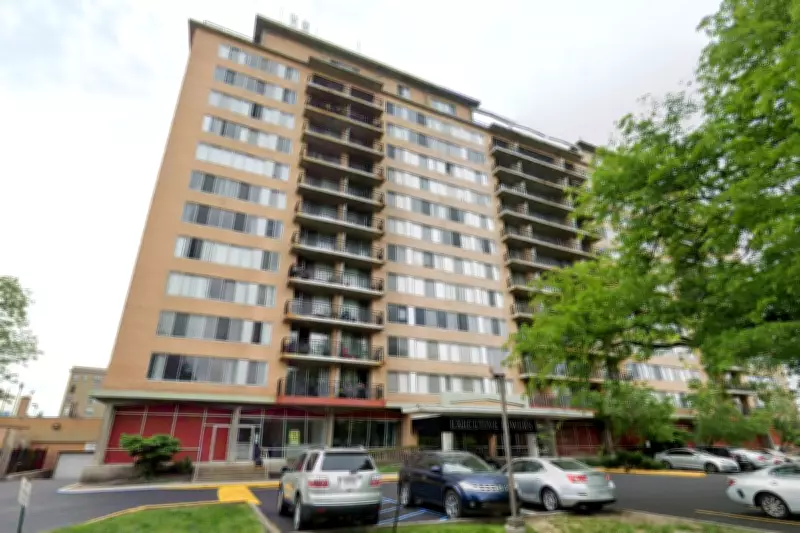
Executive Towers in Toledo, Ohio presents a facade of luxury living with promises of a gym, swimming pool and heated underground parking. Built in 1963 by a premier luxury apartment constructor, its prime location near downtown Toledo and surrounding neighborhoods made it an attractive residential destination. For Kwiona Sprott, these amenities seemed perfect when she moved into the 12-story complex with her teenage son last July, paying $851 monthly rent.
Promises Versus Reality
"I was excited to move here because they said they had a gym, a swimming pool, laundry facilities, a vending machine room; it's less than a mile from my job and the school my son plays football for," Sprott recalls. Today, the reality starkly contrasts with those promises. The building's balconies show rusted orange corrosion, matching the deteriorating entryway facade. The parking lot remains a hazardous mix of ice and crushed snow days after major winter storms.
Inside conditions prove even more concerning. Sprott, who works at a group home for people with developmental disabilities, describes her six months at Executive Towers as a nightmare. None of the gym equipment functions properly, and the pool remains unusable. More alarming are the persistent leaks from air conditioners and radiators, creating water ponding in her dining room and her son's bedroom. The soaked carpet has not been replaced, and mold odors emanate from the radiators.

The Corporate Ownership Web
The 140-plus unit property belongs to M1M6 Executive Towers Holdings LLC, with mailing addresses in Indiana and Colorado. This limited liability company connects to corporations including Monarch Investment and Management Group, which faces accusations of illegally charging tenants fees at properties it owns in Minnesota. The Guardian contacted multiple property management and ownership companies with Toledo holdings but received no responses.
At a time when home ownership grows increasingly unattainable for working-class Americans, international and out-of-state investors have descended upon Toledo. This unadorned regional city on Lake Erie's shore has become a target for mass home purchases, pricing out local residents like Sprott. More than 3,000 Lucas County properties have been acquired by LLCs based in countries as distant as Saudi Arabia, Australia and Israel.
From Affordable Haven to Investment Hotspot
Last April, the Wall Street Journal labeled Toledo "ground zero" for Wall Street property investors. By December, Realtor.com ranked it as the nation's fourth-best housing market for 2026, with median house prices jumping 13.1% year over year—far exceeding growth rates in other cities. For longtime residents, Toledo has transformed from an affordable, relatively safe family-raising environment into an inflated investment property destination.
The city's experiences typify the broader housing crisis confronting smaller American urban centers, a trend that intensified during and following the COVID-19 pandemic as property investors sought alternatives to expensive coastal markets. Like many industrial U.S. cities, Toledo suffered severely during the 2008 Great Recession. Tens of thousands of automotive and manufacturing jobs disappeared over two decades, prompting resident exodus and leaving thousands of homes vacant for years.
Today, Toledo's median household income stands at $49,724—more than $30,000 below the national rate. With an owner-occupied housing rate barely exceeding 53%, the city lags significantly behind similarly-sized urban areas nationwide. Meanwhile, unhoused individuals in Lucas County continue increasing, with shelters reporting full capacity during recent Arctic weather conditions.
Political and Legal Responses
"[Residents] continue to hear that we have the hottest housing market for two years in a row, but they are struggling to make it, and for many, home ownership isn't a reality," states Theresa Gadus, a Toledo city councilmember. "Toledoans have seen their rent increase 43% since 2021. Our unhoused population has doubled in that time. The increasing gap between wages and rent has made the American Dream unattainable for most of my residents."

For Noah Woods, a staff attorney at Toledo's Fair Housing Center, out-of-state property investors and speculators—including those owning Executive Towers—have dramatically worsened the situation. The Fair Housing Center's litigation against property companies on behalf of tenants surged from 20 cases in 2023 to 74 last year.
One particular company, SFR3—which operates property company American Ave—utilizes a tranche of LLCs that have purchased more than 100 Toledo properties according to the Lucas County auditor's real estate information system. "We've seen that they rely heavily on automated systems to reduce overheads. But those systems prove completely ineffective," Woods explains. Tenants sometimes receive unexpected charges that can escalate to hundreds of dollars in fees if unpaid.
"The tenants face being forced to pay that amount, or risk eviction because they cannot reach a live person. That's a quick one-way ticket to eviction court," Woods adds.
Tenant Struggles and Legal Action
Sprott, whose family belonged to the thousands of sharecroppers who migrated north from Alabama during the Great Migration over a century ago, contacted Denizen Management—the property management company—requesting repairs for water leaking onto her apartment carpet. In January, she and other Executive Towers residents took Denizen Management to court over alleged failures to address water penetration issues.
Compounding these problems, Sprott's monthly water bill has skyrocketed to over $200. "My bill keeps escalating—up by $50 every month. I don't make that much money; there's all these extra fees. It eats away at my paycheck," she reveals. Sprott left her previous residence last year due to the owner's unwillingness to fix broken items, but finding adequate housing proves challenging.
"It's hard to find a decent place with the amenities I was promised in this neighborhood, that's close to my job. I don't drive, so I kind of need to stay here," Sprott concludes, highlighting the limited options facing many Toledo residents as their city transforms into an investment battleground.