
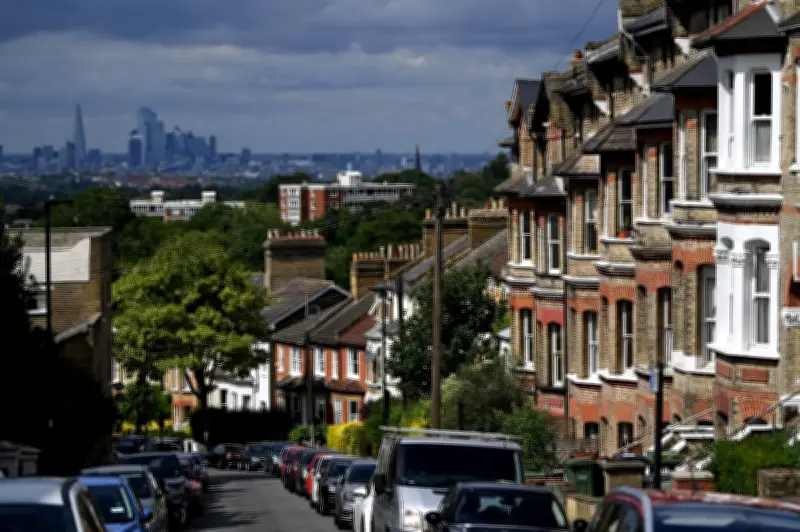
New powers should be used to seize control of empty homes in London and allow councils to use them for social housing, according to MPs. They highlighted that there are between 542,000 and 1.2 million empty homes in England, many located in the capital.
Current Powers Underused
Councils can already employ Empty Dwelling Management Orders (EDMOs) and Compulsory Purchase Orders (CPOs) to take over empty properties and renovate them for social housing. However, these powers are rarely used due to the risks local authorities face, including the need to prove a property is empty and the possibility of the owner reclaiming it.
The Commons Housing, Communities and Local Government Committee is therefore backing an exploration of expanding The Dormant Assets Scheme to cover long-term empty residential properties. This would involve the Government taking ownership of these properties and assigning them to councils as new social housing units. The original owner could then seek to reclaim the property from the Government, rather than the council, at market value at the time of transfer.
Ministerial Support
Housing minister Matthew Pennycook, MP for Greenwich and Woolwich, told the committee that councils could make greater use of existing powers. “But we have recognised that there is a case for looking at how we strengthen those to bring properties back into use,” he added.
The committee concluded that the Government must make it easier for councils to take control of empty properties by clarifying existing powers, reducing risks, or providing new options such as extending The Dormant Assets Scheme.
Stamp Duty Reform Urged
In their report on homeownership affordability, the MPs also urged the Government to reform stamp duty to help more people get on the property ladder. They recommended a consultation by the end of 2026 to examine potential alternatives.
The committee’s report recommended that stamp duty reform should take place alongside a reform of council tax. It stated: “For decades, skyrocketing house prices, slow wage growth and unnecessary barriers in the market have contributed to a deterioration in the affordability of homeownership in England.”
The “nil rate” stamp duty threshold for first-time buyers shrank from £425,000 to £300,000 from April 2025, and for home movers the zero rate threshold halved from £250,000 to £125,000. Home buyers rushed to complete deals in the run-up to these changes.
Higher house prices in locations such as London and the south east of England often mean that buyers face particularly high stamp duty costs, making it harder to get on the housing ladder. The report said stamp duty “puts barriers in front of people seeking to buy a new home”, adding that it “reduces the affordability of homeownership, slows the property market, and ultimately damages the economy. While it is a valuable source of revenue for public finances, stamp duty land tax must not be maintained in its current form and needs to be reformed.”
Committee Chair's Remarks
Florence Eshalomi, Labour MP for Vauxhall and Camberwell Green and chair of the committee, said: “Progress on delivering the 1.5 million new homes in this Parliament is vital. Councils should also be empowered to play a greater role in housebuilding and given additional powers to bring empty and under-occupied homes back into residential use.”
Government Response
A Treasury spokesperson said: “First-time buyers pay no stamp duty on homes worth up to £300,000 and can claim relief on purchases up to £500,000. We’re cutting weeks off the process of buying whilst saving first-time buyers £710 on average.”
Henry Jordan, group director of mortgages at Nationwide Building Society, commented: “Any review should look across all property taxes, with the aim of creating a system that enables people to move home easily, is more progressive, encourages the more effective use of the housing stock and takes into account people’s ability to pay.”




