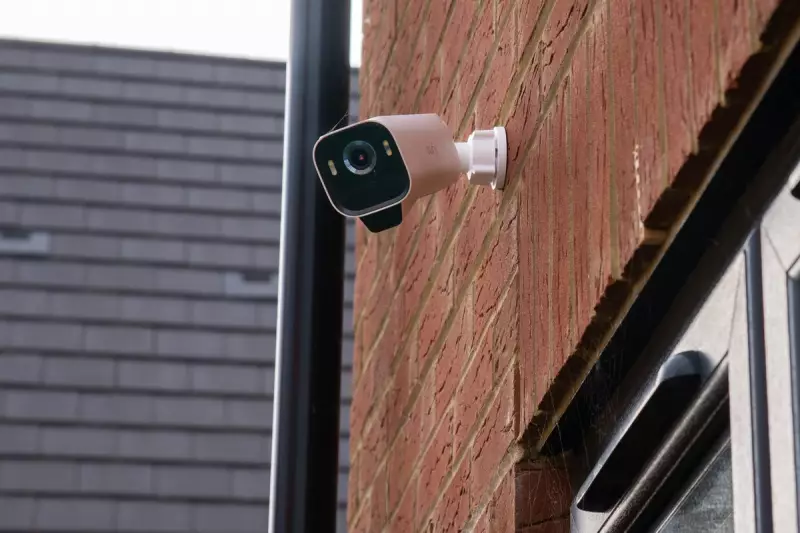
Installing a professional-grade home surveillance system is now simpler than ever, thanks to compact, smart, and affordable security cameras. However, choosing the right location for your device is crucial to ensure it provides effective protection. A misplaced camera can leave blind spots, rendering your investment less useful.
Strategic Placement is Key to Deterrence
While most top-rated cameras come with placement guidance, the ideal spot can vary based on the model's specifications. It's essential to assess which areas of your property are most vulnerable to determine how many cameras you need. Focusing solely on the front door, for instance, is futile if an intruder can access an unwatched back door or ground-floor window.
Here are the five most effective locations to position your security cameras for comprehensive coverage.

1. The Front Door: Your First Line of Defence
The front door is the prime location for your first security camera or video doorbell. It offers a clear view of the front aspect of your property and acts as a powerful visual deterrent. Position the camera high up and to one side of the door, ensuring it captures the door itself and the approach area. This angle provides footage of a trespasser's approach, not just their presence at the door.
Mount it high enough to be out of easy reach, preventing theft or tampering, while still allowing access for periodic battery charging. Many video doorbells include angled mounting plates to achieve the perfect viewpoint.
2. Back and Side Entrances: Covering All Access Points
Your second camera should monitor a back door or side entrance. As with the front, install it at a height and angle that captures the door and its immediate surroundings. Be mindful of privacy; avoid pointing it directly at neighbouring properties and use in-app privacy zoning tools if necessary.
A camera with a view across the back garden can be highly effective, monitoring the rear door, garden, and potentially a side gate. If its field of view is confined to your property, you can confidently enable features like night-time recording, spotlight activation, or alarms triggered by motion.
3. The Driveway: Deterring Car Crime and Loitering
A driveway camera helps prevent car theft and suspicious loitering. Mount it high, but consider the range of its night vision and motion detection capabilities—positioning it too high may hinder performance. Cameras with integrated spotlights serve a dual purpose: deterring thieves and illuminating the area after dark.
Again, use recording and detection zone settings to exclude neighbours' properties and public footpaths, preventing unnecessary alerts. Always check the Wi-Fi signal strength at this outer location; consider a network extender if the connection from your router is weak or intermittent.
4. Ground-Floor Windows: An Extra Layer of Vigilance
Often more affordable than outdoor models, interior cameras are plug-in powered, so they never lose charge. While great for pet monitoring, they also bolster security. Placing one to look out through a ground-floor window provides an additional vantage point for spotting suspicious activity outside.
This can capture crucial break-in footage that an external door camera might miss. Test this setup carefully, as reflections can cause false alerts. These cameras are also ideal for monitoring high-value items like safes, jewellery collections, or key storage boxes inside the home.
5. Garages, Sheds, and Outbuildings
Outbuildings containing tools, bicycles, or vehicles are common targets. Outdoor security cameras, designed to withstand the elements, can be mounted on a wall, post, or fence. Ensure all covers and ports (like the microSD card slot) are securely fastened.
Follow the same principles: mount high, ensure a clear view and a stable Wi-Fi connection. Cameras with spotlights are excellent here; you can schedule them to arm overnight, activating lights and recording upon detecting motion. Thoroughly test the night vision, ensuring nothing like a window ledge or overhanging branch is too close to the lens, as this can cause infrared reflection and wash out the image.

By thoughtfully placing cameras in these five key areas, you can create a robust security network that maximises your home's safety and provides valuable peace of mind.