

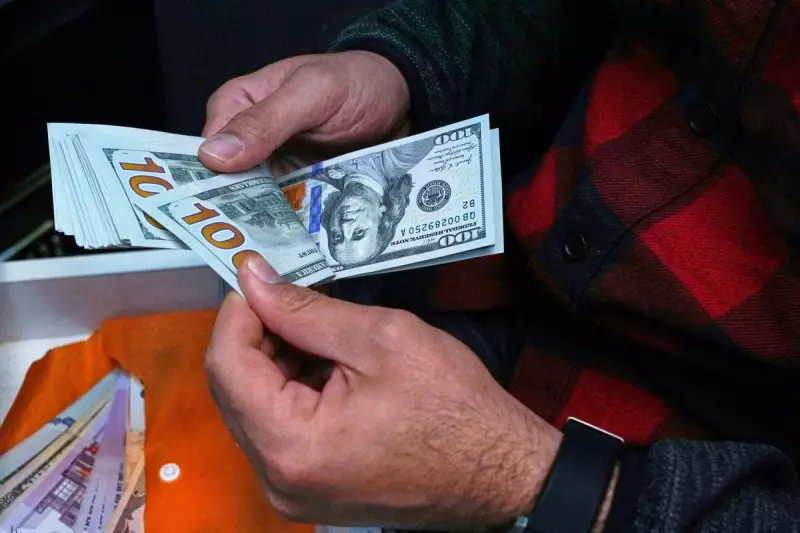
For a second consecutive day, traders and shopkeepers across Iran have taken to the streets in protest as the national currency, the rial, collapsed to a historic low against the US dollar, exacerbating a severe economic crisis.
Protests Erupt in Tehran's Commercial Heart
Hundreds of demonstrators gathered on Monday along Saadi Street in downtown Tehran and in the Shush neighbourhood, close to the capital's pivotal Grand Bazaar. This marketplace holds deep symbolic power, having been a central stage during the 1979 Islamic Revolution.
Witnesses confirmed to The Associated Press that merchants shut their shops and urged others to follow suit. The semi-official ILNA news agency reported a widespread trading halt, despite some businesses remaining open. Security presence was heightened, though no police raids were reported.

The unrest began on Sunday, initially concentrated at two major mobile phone markets in Tehran where anti-government slogans were chanted by protesters.
Currency Collapse and Soaring Inflation
The trigger for the demonstrations was a dramatic plunge in the value of the Iranian rial. On Sunday, it hit a staggering 1.42 million rials to the US dollar, before recovering slightly to 1.38 million on Monday. This rapid depreciation is intensifying already crushing inflationary pressures.
Official data reveals the alarming scale of the economic distress. The annual inflation rate for December surged to 42.2%, up 1.8% from November. The cost of basic necessities has skyrocketed, with food prices rising an astonishing 72% and health items increasing by 50% compared to December last year. Many economists view these figures as harbingers of potential hyperinflation.
The situation is further strained by a recent government change to gasoline prices, adding another burden to household budgets.
Broader Economic and Geopolitical Strains
The currency's freefall marks a stark contrast to its value during the 2015 nuclear accord, when it traded at approximately 32,000 rials to the dollar. The deal's unravelling after the US withdrawal in 2018 and the subsequent reimposition of sanctions have crippled Iran's economy.
In September, the United Nations reinstated nuclear-related sanctions via a 'snapback' mechanism, freezing Iranian assets abroad and halting arms transactions. Market anxiety is also compounded by regional tensions following June's 12-day war between Iran and Israel and fears of a broader confrontation that could involve the United States.
Adding to public concern are reports in Iranian state media that the government plans to increase taxes when the new Persian year begins on 21 March, threatening further financial pain for citizens and businesses already struggling to survive.






