

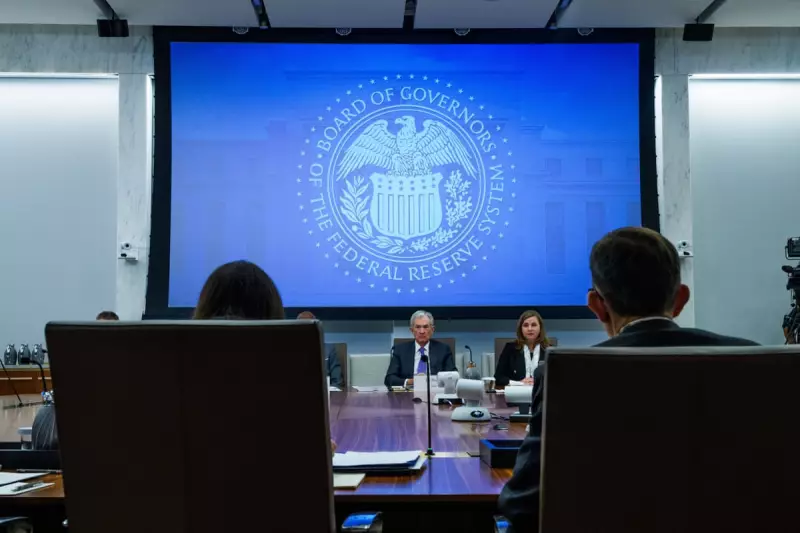
The Federal Reserve has chosen to maintain its current interest rate stance, keeping borrowing costs unchanged as the American economy navigates turbulent waters. This decision comes amid persistent inflation concerns and emerging signs of economic deceleration.
Economic Crossroads: The Fed's Cautious Stance
Central bank officials have opted for stability, holding the benchmark federal funds rate steady following their latest policy meeting. The move reflects the delicate balancing act facing policymakers as they attempt to curb inflation without triggering a significant economic downturn.
Jerome Powell, the Fed Chair, indicated that while progress has been made in taming price rises, the battle against inflation remains incomplete. "We need greater confidence that inflation is moving sustainably toward our 2% target," Powell stated during his post-meeting press conference.

Global Ripples from Washington's Decision
The Fed's cautious approach sends significant signals across international markets, with implications for the UK economy and the Bank of England's own monetary policy decisions. As the world's largest economy, American interest rate movements typically influence global financial conditions, exchange rates, and investment flows.
Market analysts note that the continued high-rate environment in the United States could maintain pressure on the pound and affect borrowing costs for British businesses with international operations.
What This Means for the Economic Outlook
- Borrowing costs remain elevated for mortgages and business loans
- Savings rates continue to offer improved returns for depositors
- Stock markets face ongoing uncertainty about future rate cuts
- Global economic growth prospects remain constrained
The Fed's next moves will be closely watched by economists and investors alike, with many now questioning when the first rate reduction might materialise. For now, the message from Washington is clear: patience prevails over premature action.






