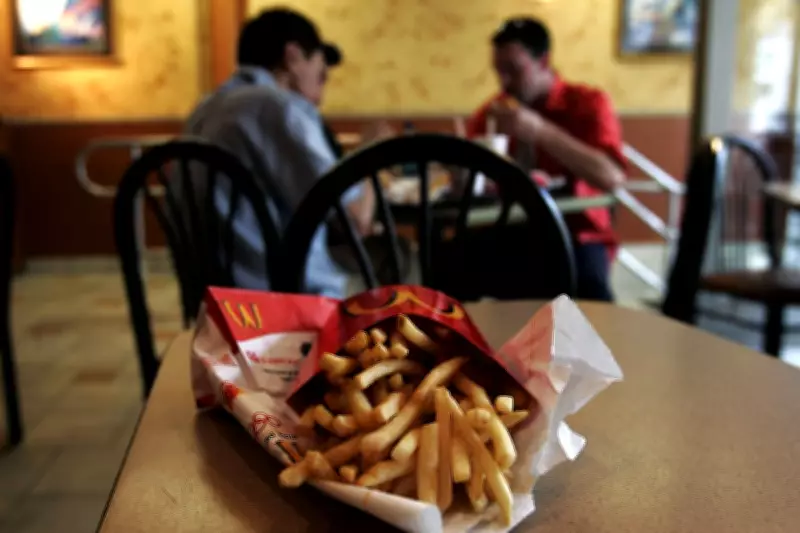
Fast Food Industry Responds to Weight-Loss Medication Revolution
The rapid rise of GLP-1 weight-loss medications like Ozempic and Wegovy is prompting a significant transformation within America's fast food sector. Rather than facing decline, major chains are strategically adapting their offerings to serve consumers whose appetites and eating patterns have changed due to these treatments.
Soaring Medication Use Reshapes Consumer Behavior
According to health policy organization KFF, one in eight American adults now uses a GLP-1 medication for weight management or chronic conditions. The percentage of Americans taking these drugs doubled from 6% in May 2024 to 12% by November 2025. Pharmaceutical giant Novo Nordisk reported revenue from these medications surged to $31.1 billion in 2024, up dramatically from $11.9 billion in 2022.
While these medications suppress appetite, they have not eliminated dining out. A 2025 Data Essential report reveals that 97% of GLP-1 users eat at food service venues at least monthly, with over three-quarters (76%) doing so weekly. However, their ordering habits are shifting, compelling the nearly $418 billion U.S. fast food industry to innovate.

Strategic Menu Innovations Target New Demands
Dietician and diabetes educator Whitney Stuart notes the industry is moving toward more intentional, health-aligned options. "While fast food is not going away—convenience and affordability remain deeply embedded in U.S. culture—the landscape is shifting," she told The Independent. "We are already seeing brands adapt by emphasizing smaller portions, protein-forward options, and nutrient density."
Chipotle exemplifies this trend by introducing a protein cup priced between $3.80 and $4.55, containing 32 grams of fresh grilled chicken. CEO Scott Boatwright stated this offers an approachable entry point for consumers seeking high-protein or high-fiber choices, whether they are GLP-1 users or have other dietary needs.
Smoothie King pioneered a dedicated "GLP-1 Support menu" in October 2024, featuring options like the "Slim N'Trim" green smoothie with kale, ginger, and spinach. Shake Shack followed with its "Good Fit Menu" in December, including a 42g protein chicken lettuce wrap and a 47g protein gluten-free double burger, though the chain noted it wasn't specifically designed for weight-loss drug users.
Marketing Pivots and Consumer Sentiment
Former McDonald's culinary innovation manager Mike Haracz explained that fast food companies are responding to a "drastic" drop in average calorie consumption. "Each individual fast food restaurant is going to figure out how to take market share away from others," he said. The strategy involves keeping customers through the door, even with smaller orders, rather than losing them entirely.
Haracz added that marketing is pivoting to highlight health and wellness initiatives, ensuring GLP-1 users choose one brand over competitors. This shift is echoed on social media, where influencers like Shayla Kay, who lost 80lbs using GLP-1 medication, promote value menus for their smaller portions.
Consumer research supports these changes. The Data Essential report found 59% of all consumers are more likely to visit restaurants offering flexible portion sizes, a sentiment rising to 73% among GLP-1 users. However, studies also indicate GLP-1 users spend about 5% less on fast food and groceries overall, leading some analysts to label the drugs as "demand disruptors."
A Watershed Moment Beyond Past Diet Trends
While the industry previously adapted to trends like the low-carb Atkins diet in the early 2000s, experts believe the GLP-1 era represents a more profound shift. Analysts project the market could reach $150 billion by 2030, with over 30 million users in the U.S. alone.
Sally Lyons Wyatt of Circana emphasized the urgency for businesses: "Shopper priorities are evolving quickly and dramatically. It’s vital for retailers and manufacturers to pay close attention to these trends." As fast food chains continue to innovate with protein cups, specialized menus, and targeted marketing, they are not just surviving but actively shaping the future of dining in the weight-loss medication era.