

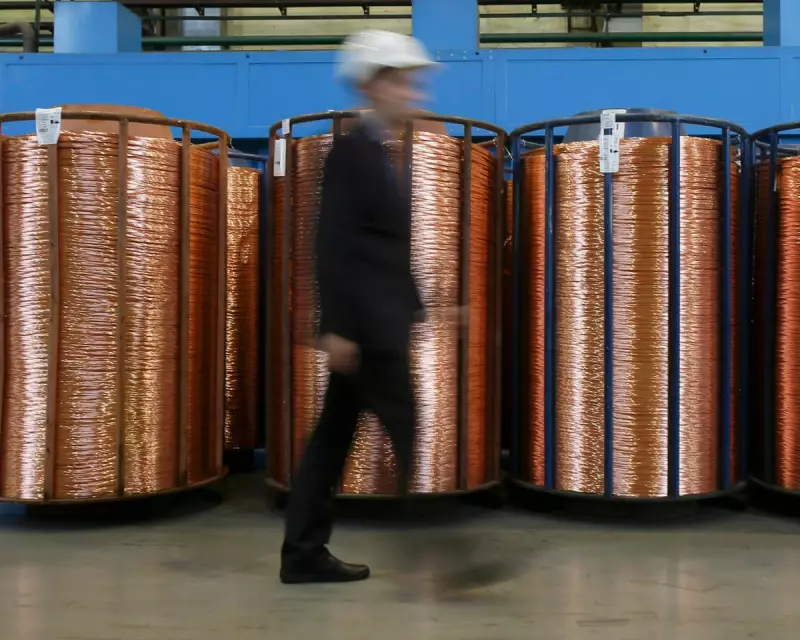
The global market for copper is experiencing a historic squeeze, sending prices for the essential industrial metal to record highs. This surge is being driven by a potent combination of booming demand from the renewable energy and artificial intelligence sectors and a significant shortage in global supply.
The Perfect Storm: Surging Demand Meets Constrained Supply
Copper, often called 'Dr. Copper' for its ability to diagnose the health of the global economy, is facing unprecedented pressure. The price of copper for delivery in three months on the London Metal Exchange (LME) soared to $13,800 per tonne in late December 2025, eclipsing the previous peak set in March of the same year. This represents a staggering increase of roughly 30% since the start of 2025.
The primary engine of this demand is the global transition to green energy. Copper is a critical component in virtually all renewable infrastructure, including wind turbines, solar panels, and the vast networks needed for electric vehicles (EVs) and grid upgrades. Analysts highlight that a single electric vehicle can use up to four times more copper than a conventional petrol car. Simultaneously, the explosive growth of data centres and AI technology, which require extensive copper wiring for power and connectivity, is adding another layer of intense demand.

Why the Market Can't Keep Up
On the supply side, the industry is struggling to respond. Major copper mines around the world are grappling with declining ore grades, meaning more rock must be processed to extract the same amount of metal, raising costs and limiting output. Furthermore, political and operational instability in key producing regions like Chile and Peru has disrupted production. The development of new mines is a slow, capital-intensive process often facing regulatory and environmental hurdles, creating a significant lag between rising demand and new supply coming online.
This supply-demand imbalance has led to a dramatic drawdown on visible stockpiles. Inventories held in LME-registered warehouses have plummeted to critically low levels, amplifying market anxiety and price volatility. The physical shortage is so acute that premiums for immediate delivery have skyrocketed, indicating a desperate scramble for metal to meet current manufacturing needs.
Broader Market Impact and the Precious Metal Link
The copper crunch is having a ripple effect across other commodity markets. Silver, which has substantial industrial uses in solar panels and electronics alongside its status as a precious metal, has seen its price rally strongly in sympathy. Similarly, gold has benefited as investors seek traditional safe-haven assets amidst the industrial metal volatility and broader economic uncertainty.
For the United Kingdom, a nation deeply invested in its net-zero targets and technological advancement, these price movements carry significant implications. Higher copper costs directly increase the expense of building renewable energy projects, upgrading the national grid, and manufacturing electric vehicles. This could potentially slow the pace of the green transition or increase costs for consumers and the government. It also highlights the strategic vulnerability of relying on complex, strained global supply chains for foundational materials.
Market experts warn that the current high-price environment is likely to persist. While elevated prices should eventually stimulate more investment in mining and recycling, the lead times are long. The structural deficit between copper supply and the demands of a decarbonising, digitalising world economy is now the dominant narrative, setting the stage for continued market tension for years to come.






