BP Suspends Share Buy-Backs Amid Debt Concerns
BP has taken the dramatic step of suspending its share buy-back programme, a move that sent its share price tumbling by 6% and cast immediate doubt over the financial strategy of the oil giant. The decision reflects mounting pressure on the company's balance sheet, with debt levels currently standing at $22 billion using the most generous metric. This suspension represents a significant departure from industry norms, where buy-backs have become a crucial symbol of financial strength and discipline.
Financial Strain Forces Strategic Retreat
The suspension comes as part of a broader clearing of decks at BP, following the departure of former chief executive Murray Auchincloss in December and recent substantial write-downs on low-carbon energy assets in solar and biogas. Financial gearing at BP is now the weakest among the major oil companies, forcing management to prioritise debt reduction over shareholder returns. The company expects to save approximately $6 billion annually by redirecting excess cash towards reducing its debt burden.
This decision stands in stark contrast to rival Shell, which last week announced its 17th consecutive quarter of at least $3 billion in share buy-backs, even as profits declined. Shell's continued commitment to buy-backs signals confidence in weathering lower oil and gas prices, while BP's retreat suggests more fundamental concerns about financial stability.

Market Reaction and Strategic Questions
Investors reacted negatively not just to the suspension itself, but to BP's refusal to commit to restarting buy-backs once debt reaches the target range of $14 to $18 billion. This lack of clarity has created uncertainty about the company's future direction under incoming leadership.
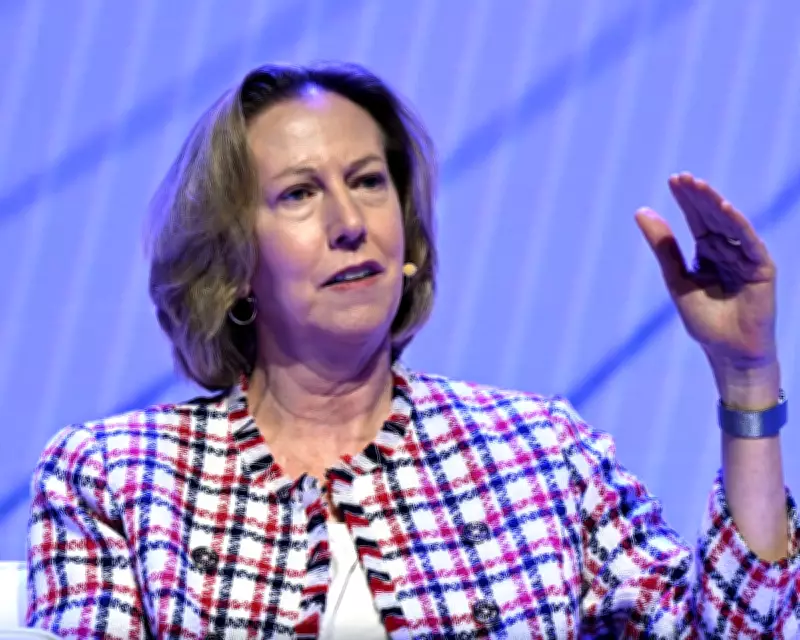
Meg O'Neill will assume the role of chief executive in April, arriving at a critical juncture for the company. The suspension gives her a clean slate to begin her tenure, but also piles immediate pressure on her to articulate a clear strategic vision. She will work alongside relatively new chair Albert Manifold, with their combined leadership expected to steer BP through this challenging period.
Strategic Shift Towards Traditional Energy
The suspension of buy-backs coincides with what appears to be a strategic pivot back towards BP's core oil and gas business. During the tenure of former CEO Bernard Looney, the company had signalled substantial cuts in fossil fuel production as part of a green transition. Now, indications suggest BP may maintain current production levels of approximately 2.3 billion barrels per day through to 2035.
BP has started seven new oil and gas projects in the past year and has the significant Bumerangue discovery off the coast of Brazil awaiting development. Company executives now speak enthusiastically about a "deep hopper of oil and gas opportunities," suggesting a renewed focus on traditional energy sources.
Investor Demands for Clarity
While some shareholders who opposed BP's ventures into renewables may welcome this apparent return to core competencies, most investors are demanding clearer communication about the company's future direction. Key questions include:
- What will happen to BP's remaining interests in solar and biogas assets?
- Could electric vehicle charging infrastructure and petrol stations be packaged for potential demerger?
- How will shareholders receive returns once debt reduction targets are met?
BP has already retired previous guidance that 30-40% of operating cash flow would be returned to shareholders through dividends or buy-backs. Investors now await replacement metrics that will define their future returns.
The Road Ahead for New Leadership
The fundamental questions facing O'Neill and Manifold centre on financial targets and strategic clarity. Investors want to know precisely how low debt must fall before the balance sheet is considered secure, and what oil price would trigger the resumption of share purchases. BP shareholders across all strategic camps value the tangible certainty of dividends and buy-backs, making the current uncertainty particularly unsettling.

With annual profits for 2025 projected at $7.5 billion, down from $9 billion due to a 20% decline in oil prices, the financial backdrop remains challenging. The suspension of buy-backs, while arguably prudent in the short term, has eliminated a key mechanism for shareholder returns and raised fundamental questions about BP's strategic direction. O'Neill's honeymoon period as chief executive promises to be brief, with investors expecting rapid answers to pressing financial and strategic questions.