
Asian markets were mostly lower on Thursday as investors adopted a cautious stance following the Federal Reserve's decision to hold its key interest rate steady. The move was widely anticipated, with Fed Chair Jerome Powell suggesting that rates appear to be “in a good place” for now.
The precious metals rally continued, with gold surging a further 4 per cent to $5,520 per ounce, while silver gained 3.5 per cent. The dollar weakened against the Japanese yen, and oil prices moved higher.
In Tokyo, the Nikkei 225 slipped 0.2 per cent to 53,274.71 in morning trading, despite strong earnings from Advantest, which jumped 6.7 per cent. Other technology shares mostly fell. Attention now turns to the upcoming earnings reports from major Japanese firms such as Toyota, Sony, and Nintendo next week.
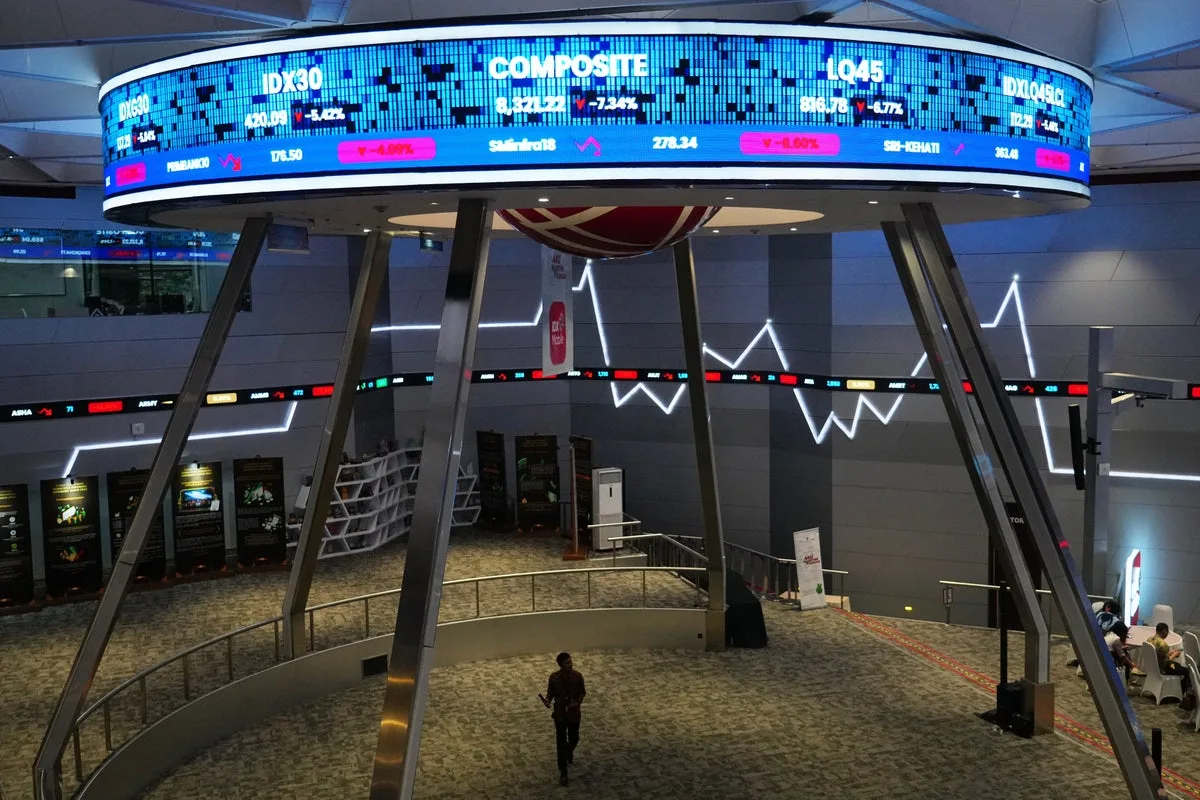
Elsewhere, South Korea's Kospi rose 0.9 per cent to a record 5,218.81, buoyed by SK Hynix's 2 per cent gain on solid earnings. Hong Kong's Hang Seng added 0.3 per cent, while the Shanghai Composite dipped 0.1 per cent. Jakarta's JSX tumbled 7.4 per cent after MSCI warned of market risks in Indonesia.
On Wall Street, the reaction to the Fed's decision was muted. The S&P 500 was virtually flat, the Dow edged up, and the Nasdaq gained 0.2 per cent. Seagate Technology soared 19.1 per cent after a profit beat, while Nvidia rose 1.6 per cent and Apple slipped 0.7 per cent. In currency markets, the dollar steadied after Treasury Secretary Scott Bessent said the US is not intervening and continues to favour a strong dollar. The greenback fell to 152.99 yen, and the euro rose to $1.1983. Stephen Innes of SPI Asset Management noted that a slightly firmer yen suits Washington, while even symbolic Fed acknowledgement buys Tokyo time and credibility.
The Fed cut rates several times last year to support the job market, but inflation remains above its 2 per cent target. Lower rates could stoke inflation while boosting the economy, and President Trump has pushed for further cuts. Benchmark US crude rose 76 cents to $63.97 a barrel, while Brent gained 68 cents to $68.05.




